


Sheds, garages and greenhouses take a battering over a British winter, but the damage that shortens their life often isn't rain through the roof. It's moisture that can't get back out. Musty smells, black spotting on timber and a soft, spongy floor are classic signs of a building with no way to breathe. A properly positioned louvre vent, or a pair of them, is one of the simplest ways to give a shed the background airflow it needs. This guide covers why outbuildings get damp, how ventilation helps, where to fit vents, and when ventilation alone won't fix the problem.
Why Sheds and Outbuildings Get Damp in the First Place
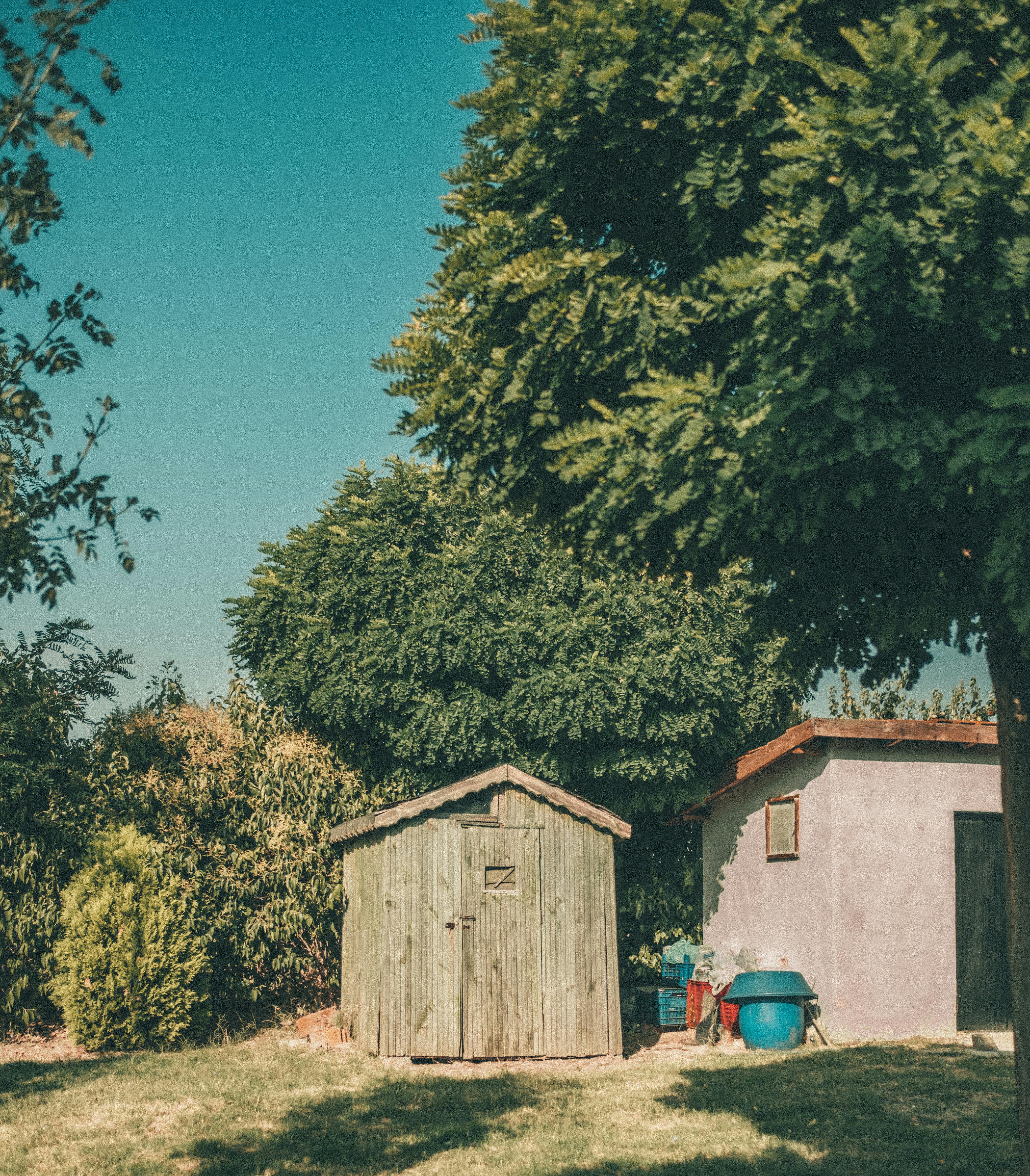
A shed, garage or greenhouse is a different kind of building to a house, and that's why damp takes hold so easily. Most outbuildings are unheated, thinly insulated or not insulated at all, with a timber floor and frame sitting close to, or directly on, the ground. There's no central heating drying the air, and little airflow once the door is shut and the contents are stacked against the walls.
The cause is simple. Moisture builds from the ground beneath a timber floor, from paint, fuel or damp tools stored inside, or from humid outside air getting trapped. Overnight, as the temperature drops, that warm air meets a cold surface, a metal roof, a single skin timber wall, a glass greenhouse pane, and condenses into water droplets. This repeated condensation cycle, not a single leak, is what soaks into timber and feeds mould.
Stored items make it worse. Boxes, mowers and tool cabinets pushed against the walls block what little air movement there is, creating pockets of stagnant damp air. If you've been asking would a louvre vent stop mold in shed corners that never dry out, it's this stagnant air that needs somewhere to go.

How Background Ventilation Helps
This is where a louvre vent earns its keep. A louvre vent is a ventilation cover with angled slats, usually set between 30 and 45 degrees, fitted into a wall, door or duct opening. The angle lets air pass through freely in both directions while shedding wind driven rain and keeping leaves, debris and insects out. Fit one into a shed wall and you've created a permanent, low maintenance route for air to move in and out.
The principle mirrors UK building regulations for habitable buildings, Approved Document C, which recommends background ventilation on at least two opposite sides of a space for effective cross ventilation. A single vent lets air in and out through one point but doesn't move air through the whole building. Two vents, positioned so air enters on one side and leaves on the other, carry moist air out before it can condense overnight.
So does using louvre vents in a shed stop damp entirely? Used correctly, in a shed without an underlying moisture problem, a pair of louvre vents makes a real difference to condensation and musty smells. It won't work miracles if a bigger issue is feeding moisture in, covered below.
Where to Position Louvre Vents in a Shed for Cross Ventilation
Positioning matters. The aim is air moving through the whole space, not just in and out of one corner near the door.
- One low, one high. Warm moist air rises, so a vent fitted low on one wall and a second fitted high on the opposite wall encourages a natural flow, cool air drawn in low, moist air pushed out high.
- Opposite ends of the shed. If height positioning isn't practical, one vent at each end still creates a through draught rather than a single stagnant opening.
- Away from stacked storage. A vent blocked by a mower, paint tins or boxes isn't doing its job. Leave clear space in front of each one.
- Match size to space. A small shed might only need a pair of 6 x 3 inch vents, a larger workshop benefits from a bigger 9 x 6 inch vent.
A well fitted pair of vents doesn't need to be large to be effective. What matters is a clear low entry point and a clear high exit point.
When Ventilation Alone Won't Be Enough
This is the part that's easy to gloss over, but it's worth being straightforward. Louvre vents manage airflow and condensation. They are not a fix for a shed with an active moisture source coming in from elsewhere. If any of the following apply, vents will help a little, but won't solve the underlying problem:
- Rising damp from ground contact. A base sitting on soil, or that holds water, keeps drawing moisture into the timber regardless of ventilation. The base needs raising, or a damp proof membrane put in place.
- A leaking roof. Felt that's split, torn or failed at the joints lets rain straight in. No amount of ventilation will keep pace with an active leak.
- Guttering or drainage issues. Rainwater discharging against the wall, or ground around the base that doesn't drain and puddles after rain, keeps the timber permanently damp from the outside in.
In these cases, the moisture source needs addressing first, raising the shed onto bearers, resealing the roof felt, redirecting guttering, or improving drainage. Ventilation alongside that repair work is what keeps a shed dry long term.
Choosing the Right Vent for a Shed, Garage or Greenhouse
For outbuildings, a plastic louvre vent is almost always the sensible choice. Gas appliances are rarely present in a shed or garage, so there's no need for the metal fixed louvre vent used for boiler flues, plastic is lighter, won't corrode, and cuts in easily with basic tools. Brown and white finishes are both common, so pick whichever suits your shed.

A removable flyscreen is genuinely worth having in a shed. Sheds and garages collect cobwebs and dead insects fast, and a flyscreen that lifts out for a proper clean stays effective for years, whereas a fixed mesh you can only wipe over tends to clog. If you've wondered do louvre vents leak, a well made louvre vent cover with angled slats is designed to shed wind driven rain even in exposed spots, that's the point of the angle, though like any external fitting it should be sealed properly around the frame.
Sizing is straightforward. A 6 x 3 inch louvred vent suits a small tool shed. A 9 x 3 inch louvre air vent gives more airflow without a larger cut out, and a 9 x 6 inch vent suits a larger workshop. You'll sometimes see these called an airbrick vent, a plaster vent, or just a vent cover, but the design is the same: angled slats that let air through while keeping weather and debris out.
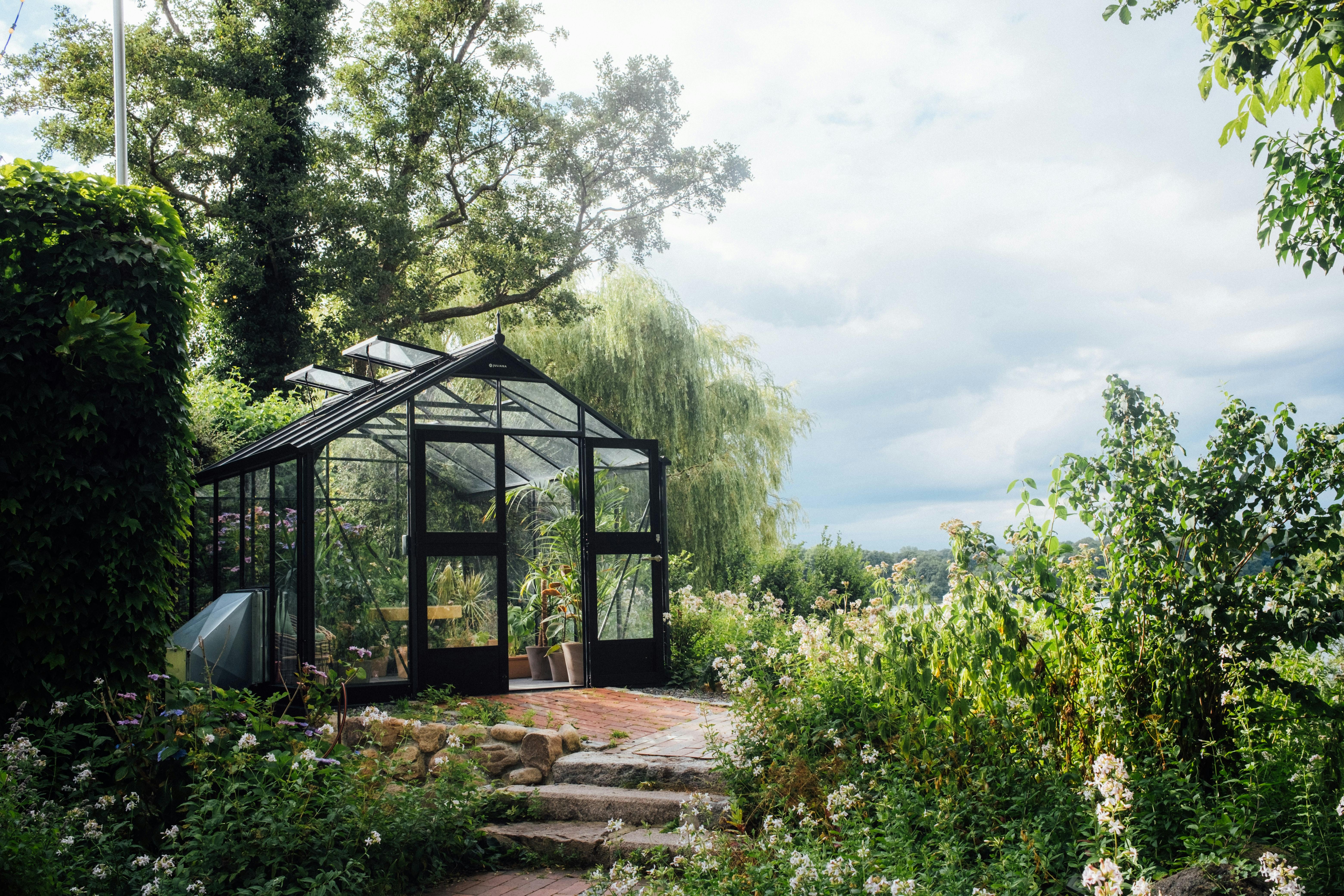
A louvre greenhouse vent works on the same principle but with an extra job: managing heat buildup as well as humidity. Greenhouses swing between high daytime heat and cool, humid nights, and side mounted louvre vents even that out by letting hot, moist air escape rather than dripping onto plants. Larger greenhouse systems typically pair roof vents with side louvres, but a louvre vent cover on a greenhouse wall still makes a noticeable difference alone.

For a typical shed, the Securit brown 6 x 3 inch louvre vent or the white 6 x 3 inch version both include a fixed flyscreen. For more airflow, the brown 9 x 3 inch louvre vent or the white 9 x 3 inch louvre vent suit most sheds and garages, and the brown 9 x 6 inch louvre vent suits a larger workshop. See the full range in our louvre vent collection.
Frequently Asked Questions
Will using louvre vents in a shed stop damp completely?
Not on their own, and it depends on the cause. If the damp is condensation from poor airflow, a properly positioned pair of vents makes a real difference. If moisture is coming from rising damp, a leaking roof or bad drainage, that source needs fixing first, ventilation supports a dry shed but doesn't replace repairs.
Would a louvre vent stop mould in a shed that already smells musty?
Improved airflow reduces the conditions mould needs to spread, since it cuts the condensation cycle feeding it. For an existing outbreak, clean the affected areas and treat the timber, then let the new ventilation keep it from returning.
Do louvre vents leak in heavy rain?
A well made louvre vent cover is designed to shed wind driven rain through its angled slats, that's the reason for the angle. Leaks are far more likely from a poorly sealed frame than the vent design itself, so fit it carefully and seal the edges.
How many vents does a typical garden shed need?
Two is the usual recommendation, one low and one high, or one at each end of the shed, to create genuine cross ventilation rather than a single opening. A small shed can manage with two 6 x 3 inch vents, a larger workshop benefits from 9 x 3 or 9 x 6 inch sizes.
