


GT85 is one of those cans that ends up doing far more jobs than the label first suggests. Bought for a bike chain, it ends up freeing a stuck garden gate, cleaning a rusty hinge and drying out a damp electrical connector before the can is even half empty. If you have just picked one up, or you have had one sitting in the shed for a while and want to make sure you are actually using it properly, here is a genuinely thorough, conversational guide to getting the most out of it.

Starting with the basics: what GT85 actually does
GT85 is a multi-purpose spray built around three jobs: lubricating metal and composite parts, cleaning off mud, oil and dirt, and protecting surfaces from rust and corrosion by displacing moisture. It comes in a 400ml aerosol can with a directional straw, which matters more than it sounds, because that straw is what lets you get precise placement into tight spots like a derailleur pivot or a lock barrel, rather than coating everything around it.
Before using it anywhere, shake the can thoroughly. Aerosol lubricants can settle, and a proper shake makes sure you are getting an even mix rather than an inconsistent spray. Hold the can upright and spray from a sensible distance, generally 15 to 20cm away from the surface, in a well-ventilated space.
How to use GT85 on a bike chain
This is the single most common use case, and it is worth doing properly. Start with a reasonably clean chain; if it is caked in old, dried lubricant and grit, wipe it down with a rag first so you are not just spraying fresh lubricant on top of old grime. Turn the pedals backwards with one hand while spraying GT85 directly onto the chain with the other, aiming for the rollers and side plates rather than just the outer surface. Let it sit for a minute or two so it can work into the chain properly, then run a clean rag lightly around the chain while turning the pedals again to remove the excess.
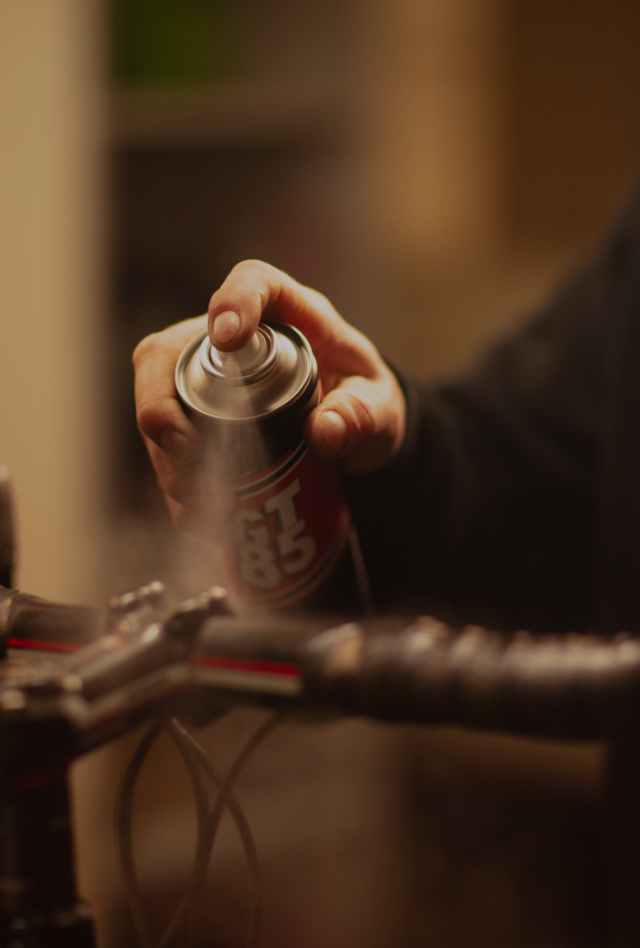
That last step matters more than people expect. Excess lubricant left sitting on the outside of the chain does not help it run more smoothly; it just attracts road dirt and grit, which then works its way between the rollers and accelerates wear. A properly lubricated chain should feel smooth to the touch, not wet or dripping.
Cables, derailleurs and the rest of the drivetrain
For gear and brake cables, spray GT85 directly into the gap between the inner cable and the outer housing at each end. This lubricates the cable's movement inside the housing and helps displace any moisture that has worked its way in, which is a common cause of sluggish or sticky gear shifting, particularly after riding in wet weather. For derailleurs, spray onto a rag and wipe over the pivot points and jockey wheels, which keeps them moving freely and adds a thin protective layer against corrosion.
For cassettes, spray onto a rag and floss it gently between each sprocket to clean out built-up grime, which helps gear changes stay crisp. A light wipe-over of the whole frame with a GT85-treated rag also leaves a protective shine and helps repel water and road spray, which is a nice finishing touch after a proper bike clean.
Watch it in action
If you would like to see a real-world review from outside the cycling world, anglers and outdoor users have also found GT85 useful for protecting reels and metal fittings from corrosion, which is a good illustration of just how broad its "multi-purpose" claim really is. You can see that perspective in this independent video review covering GT85 use beyond cycling.
Is GT85 safe for locks, disc brakes and rubber?
GT85 is safe to use on locks and is a popular choice for freeing up a stiff or sticky lock mechanism; spray a small amount into the keyway and work the key in and out a few times to distribute it. It is also safe on rubber components such as cable outers and grips, and on carbon fibre bike frames and other composite parts, which is not something every spray lubricant can claim.
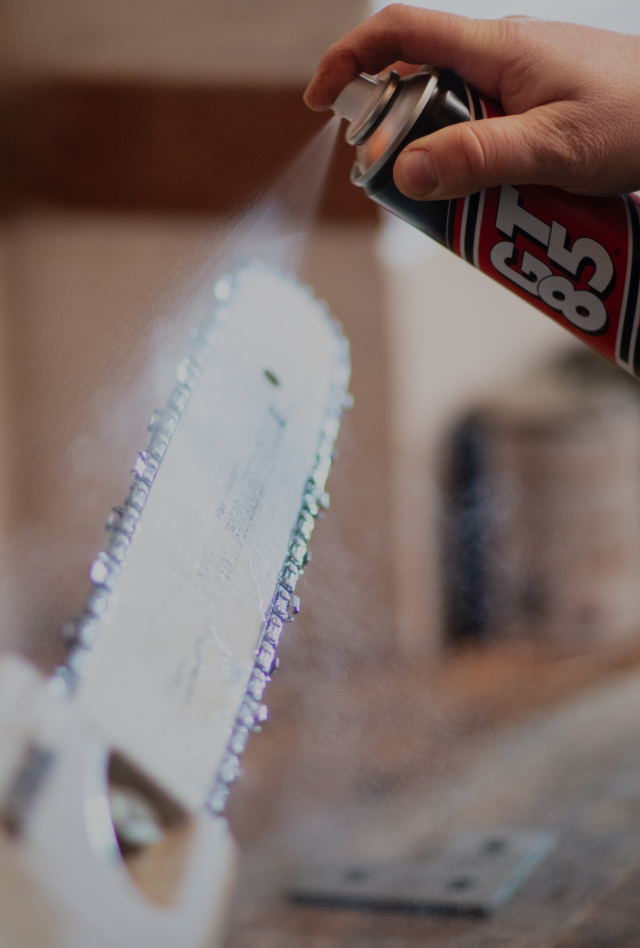
Where you do need to be careful is around braking surfaces. Avoid spraying GT85 directly onto tyres, wheel rims or disc brake rotors, since any lubricant residue on these surfaces can reduce braking performance. If you are working near a disc brake to lubricate a nearby pivot or cable, shield the rotor with a rag first, or apply the spray to a cloth and wipe it on rather than spraying freely in that area.
Beyond the bike: DIY, workshop and household uses
Away from cycling, GT85 earns its keep on squeaky door hinges, stiff garden tools, seized nuts and bolts, and general workshop equipment like drills, saws and hammers that benefit from a light protective coating against rust. For a rusted or corroded fixing, spray generously and give it a minute or two to penetrate before attempting to loosen it, rather than immediately forcing it, which reduces the risk of rounding off a bolt head or snapping a seized fitting.
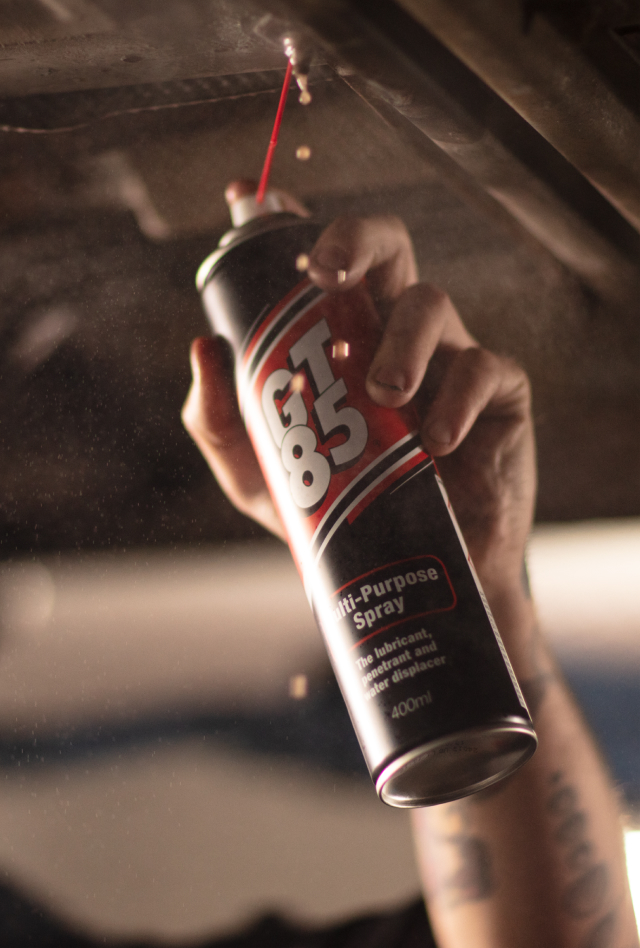
For electrical connectors and switches that have been exposed to damp conditions, GT85's moisture-displacing properties can help dry out a connection and prevent misfires, which is a genuinely useful trick for anyone dealing with outdoor lighting, a damp shed consumer unit, or a car that has been sitting in wet weather. As with any electrical work, always isolate the power supply before spraying, and allow the area to dry fully before restoring power.
Mechanics and trade uses
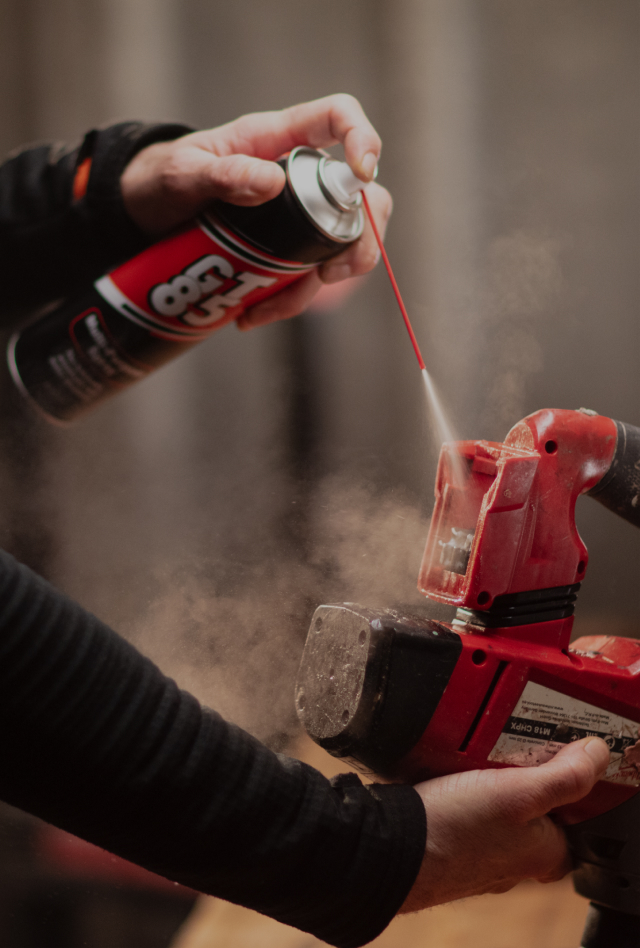
In a workshop or trade setting, GT85 is commonly used on wheels, nuts, bolts, fuel caps, headlights and hinges, essentially anywhere metal parts need a light protective coating or a helping hand to loosen. Spraying paintwork lightly can also help lift road grime and give a temporary shine, though for a proper long-term finish a dedicated car care product is the better choice; GT85's strength here is more about quick maintenance and protection than dedicated detailing.
A few things to avoid
Do not use GT85 as a substitute for a dedicated chain wax on very long, wet, multi-day rides where maximum lubrication longevity is the priority; it will do the job well for regular riding and commuting, but a wax-based lube will outlast it in the harshest, muddiest conditions. Avoid spraying it directly onto braking surfaces as covered above, and always use it in a well-ventilated space away from open flames, since it is a petroleum-based aerosol product.
Where to find full details
For the complete feature list, technical specifications, safety data sheet and a broader set of frequently asked questions, visit our GT85 Multi-Purpose Spray Lubricant 400ml product page. It also links out to two of our other guides if you want to go deeper: whether GT85 is the same as WD-40, and the full story on whether GT85 still contains PTFE.
Storing and caring for your can
To get the most spray life out of a can, store it upright in a cool, dry place away from direct sunlight and radiators, since aerosols are pressurised and can behave unpredictably if left somewhere too hot. After use, a quick wipe of the nozzle helps stop residue building up and blocking the spray pattern, which is a common reason people think a can has run out when there is actually still plenty of product left; a blocked nozzle just needs clearing rather than replacing.
If you use GT85 regularly across a bike, a set of garden tools and a few household jobs, it is worth keeping the can somewhere genuinely accessible rather than buried at the back of a shed, since the products that actually get used consistently are the ones sitting within easy reach. A quick monthly pass over drivetrain components, hinges and outdoor fixings will do far more for long-term protection than one heavy annual application.
A realistic maintenance routine
For most cyclists, a sensible routine looks like this: check the chain before longer rides and reapply GT85 if it looks or sounds dry, give the whole drivetrain a proper clean and reapplication every few weeks depending on mileage and weather, and do a full bike wipe-down with GT85 on the frame and moving parts after any particularly wet or muddy ride. Around the home and workshop, an occasional pass over hinges, locks and garden tools before they start squeaking or seizing will keep everything moving freely and catch rust before it becomes a real problem rather than after.
The bottom line
Used properly, GT85 is genuinely one of the most versatile cans you can keep in a shed, garage or workshop. A light, even application, a short wait for it to work into the surface, and a wipe of any excess afterwards will get the best result whether you are lubricating a bike chain, freeing a stuck lock, protecting a set of tools from rust, or drying out a damp electrical connector. It is not a single-purpose product pretending to be multi-purpose; the range of jobs it genuinely handles well is exactly why so many cyclists, DIYers, mechanics and trade professionals keep reaching for the same red and black can.
