


Judging by the number of people typing questions about Sandtex Masonry Paint straight into Google, there's a real gap between what's printed on the back of the tin and what people actually want to know before they commit a Saturday (and a fair bit of money) to painting the outside of their house. This post pulls together the questions we see searched most often, drying times, coat counts, thinning, spraying, coverage and pricing, and answers them properly, with the actual figures Sandtex publishes for its Smooth Masonry range rather than vague guesswork.
How long does Sandtex Masonry Paint take to dry?
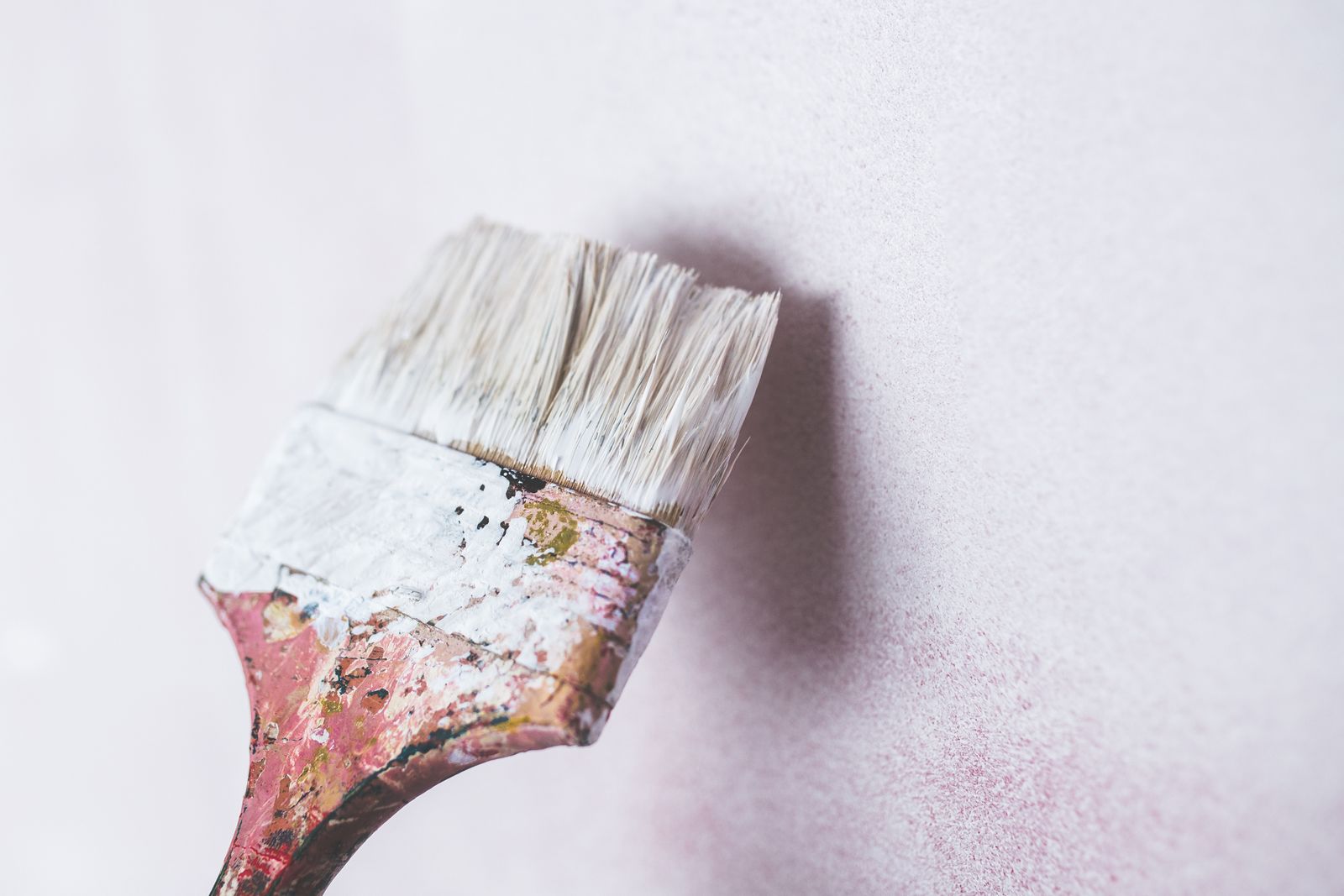
Sandtex Smooth Masonry Paint is touch dry in 3-4 hours and recoatable after 3-4 hours, provided conditions are reasonably mild and dry. It becomes rainproof within about an hour of application. These figures assume decent drying weather, cool, damp, still or overcast conditions will all extend them, sometimes significantly. If you're planning a same-day two-coat job, start early and keep an eye on the forecast rather than assuming the standard times will hold in poor weather.
How many coats do you actually need?
Two full coats is the standard recommendation for bare or previously unpainted masonry, this is what gets you full, even colour coverage and the coating's complete protective film. A single coat can look uneven, with the original surface colour showing through in patches, particularly on porous or previously bare render. If you're refreshing a wall that's already painted in a similar or the same shade and the existing coat is in good condition, one coat is sometimes genuinely sufficient, but it's worth doing a small test patch first to check coverage before committing the whole wall to a single coat.
Can you thin or water down Sandtex Masonry Paint?
For brush and roller work, no, Sandtex Masonry Paint is designed to be used straight from the tin. Adding water might make it easier to apply, but it thins the paint film, which reduces both opacity (so you'll likely need extra coats to get full coverage) and the coating's long-term durability. If you're using an airless spray unit, that's a different situation, spray equipment sometimes needs a small, specific amount of thinning appropriate to the machine, so follow both the sprayer manufacturer's guidance and Sandtex's own instructions for spray application rather than guessing at a ratio.
Can you spray Sandtex Masonry Paint?
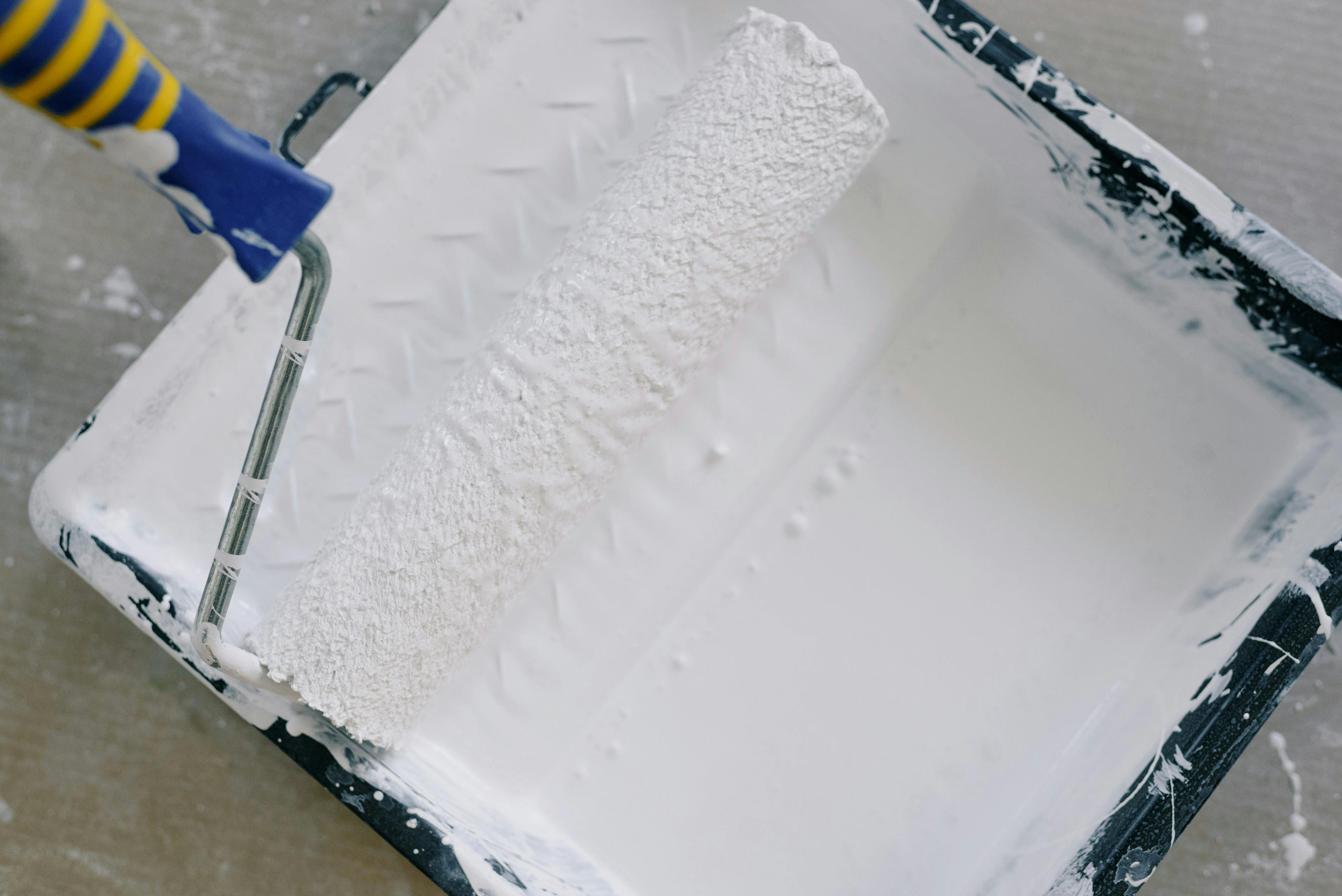
Yes, airless spraying is a recognised application method for Sandtex Masonry Paint alongside brush and roller, and it's a popular choice for large wall areas where brushing and rolling would take considerably longer. Spraying does use more paint overall due to overspray, and it requires much more careful masking of windows, doors, cars and neighbouring surfaces than brush or roller work. If you're spraying for the first time, practise your technique on a scrap surface or a less visible section of wall first to get a feel for coverage and pattern before tackling the front elevation.
How much coverage do you get per litre?
Coverage sits at roughly 12-16m² per litre, though the exact figure depends heavily on how porous and textured your surface is. A smooth, previously painted render will sit toward the higher end of that range, while a rough, absorbent, bare pebbledash or roughcast wall will use considerably more paint per square metre, sometimes noticeably below the lower end of the range on the first coat especially. When estimating how much paint to buy, measure your wall's approximate area, divide by the lower end of the coverage figure to be safe, and remember you need enough for two full coats, not one.
Do you need a primer first?
Not as a blanket rule, it depends on the condition of your wall. Sound, previously painted masonry usually doesn't need a separate primer, you can go straight in with your Sandtex coats. Bare, chalky, dusty or heavily weathered surfaces benefit from a stabilising solution first, this binds loose material and evens out absorbency so your topcoats go on more consistently. If there's mould, algae or lichen present, that needs a fungicidal wash and time to dry before you paint, regardless of whether you're also using a stabiliser.
Is it water-based, and how do you clean up afterwards?
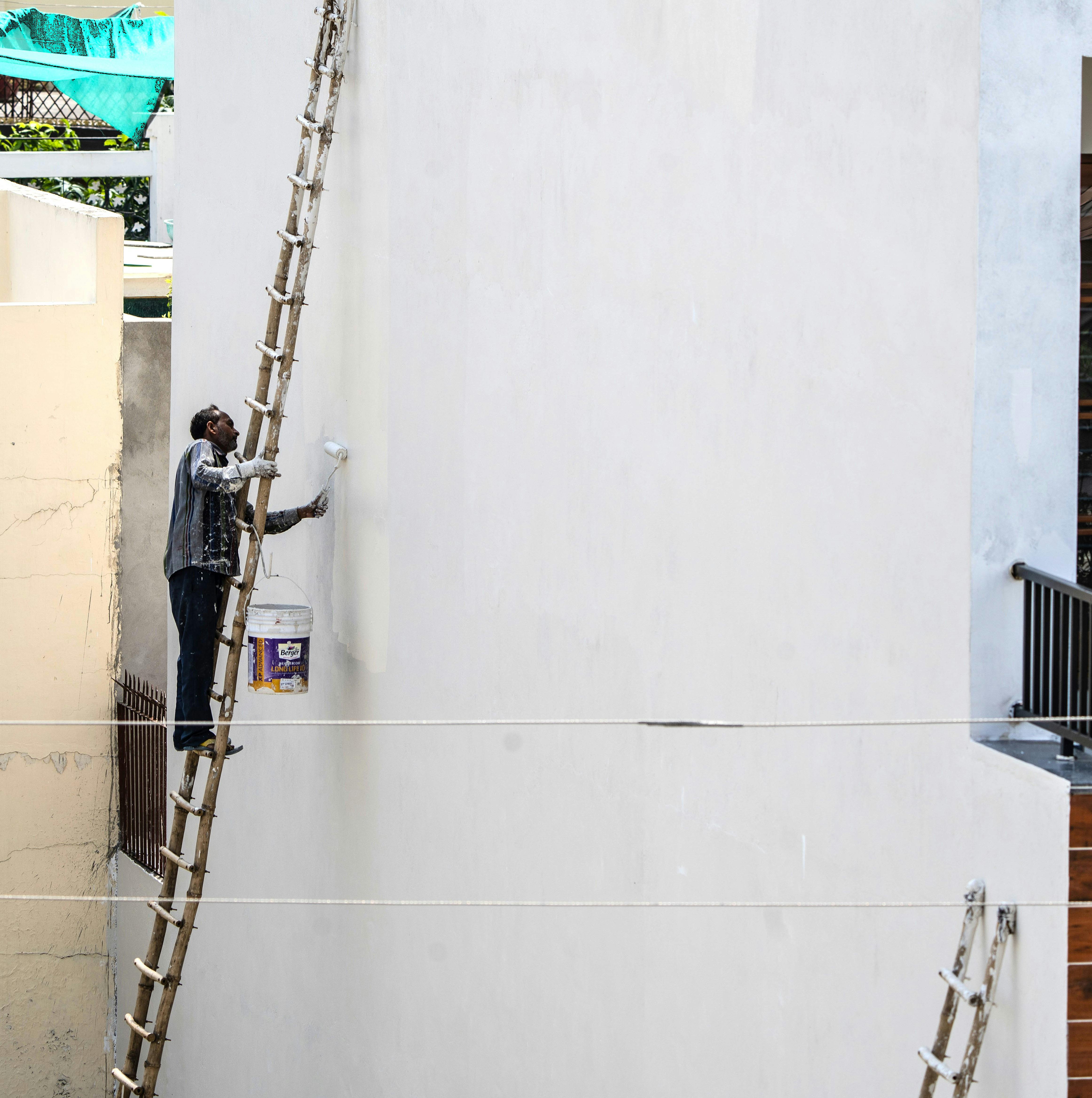
Yes, Sandtex Smooth Masonry Paint is a water-based, breathable formulation. That's good news for clean-up, brushes, rollers and equipment can be washed out with warm soapy water while the paint is still wet, no white spirit or specialist solvents required. It also means lower odour during application compared with solvent-based paints, and a flexible paint film once cured that can handle the natural expansion and contraction of an exterior wall through the seasons without cracking.
Does it protect against mould and algae?
The dried paint film is formulated to resist future mould and algae growth, which helps keep a newly painted wall looking clean for longer. It won't remove or treat existing mould or algae staining that's already on the wall when you start, that needs a proper fungicidal wash beforehand. Painting directly over active growth without treating it first is one of the most common reasons a paint job looks disappointing within a year or so, the organic growth simply works its way back through the new coat.
How much does a tin of Sandtex Masonry Paint cost?
Pricing varies by size and colour, and can change over time, so rather than quoting a figure here that might be out of date by the time you read this, the most accurate place to check is the product page itself. Every size from 150ml testers through to 10L trade tins is listed with current pricing on our Sandtex Masonry Paint collection page, along with live stock availability for each colour.
What's the difference between Sandtex Smooth and other Sandtex lines?
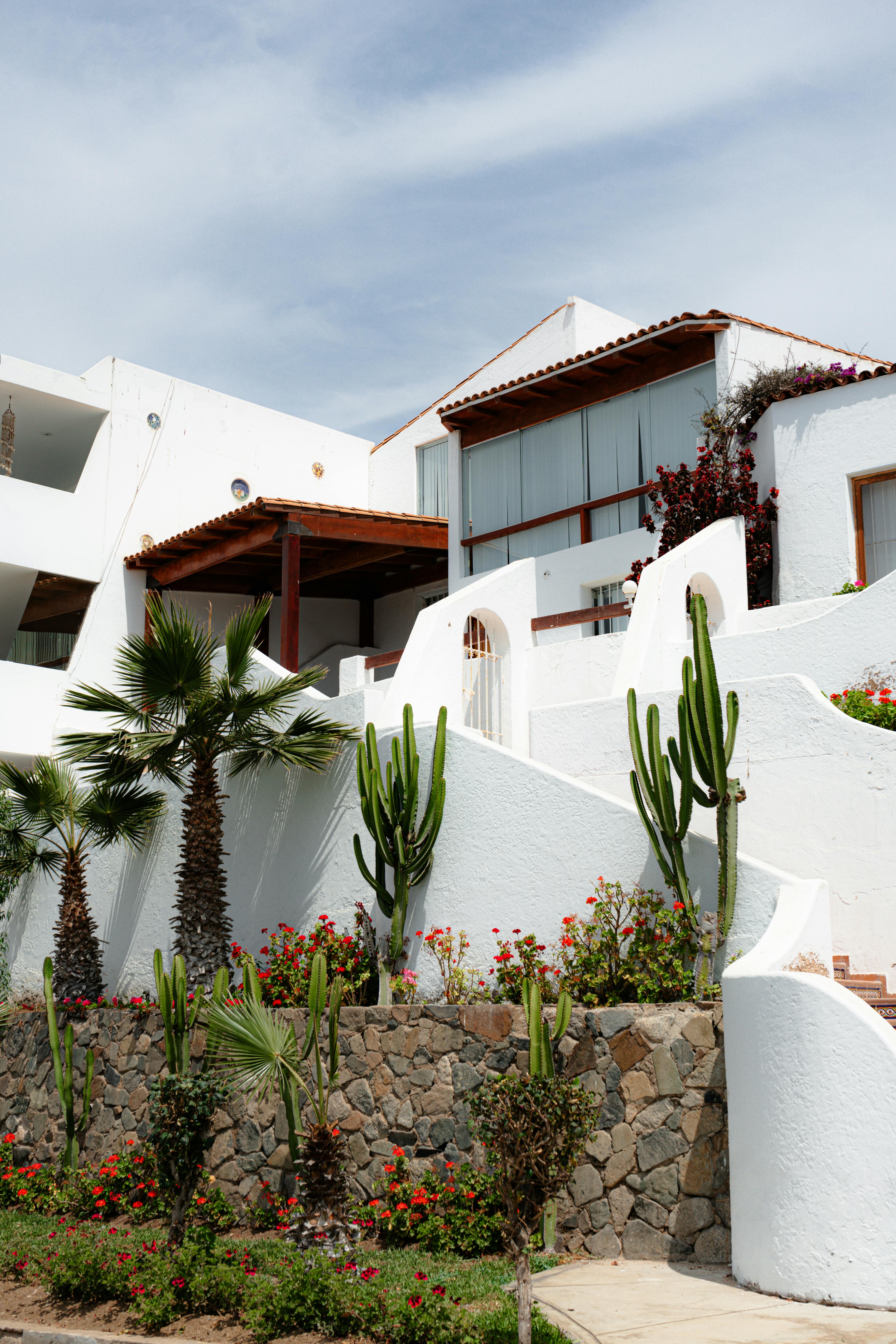
Sandtex sells several distinct masonry paint formulations under one brand name, which causes a fair bit of confusion when people are searching, terms like "Sandtex Textured", "Sandtex Ultra Smooth" and "Sandtex Trade" all get searched regularly. We stock the Sandtex Smooth Masonry Paint range, including the newer Microseal-technology colours, across sizes from 150ml testers up to 10L tins. This is Sandtex's flagship smooth-finish masonry coating and covers the vast majority of standard exterior wall projects, from a small garden wall to a full house elevation, in a colour range broad enough that most people find exactly the shade they're after.
Can you use it indoors?
Sandtex Masonry Paint is formulated and tested for exterior use, it's built to cope with UK weather, UV exposure and the breathability demands of an outside wall. It isn't designed or tested as an interior paint, so for indoor walls you're better off with a dedicated interior emulsion, which will give a more appropriate finish, sheen and application experience for indoor conditions.
Is Sandtex Masonry Paint actually any good?
This is one of the most-searched questions, and it's a fair one, nobody wants to spend a weekend on a ladder with a product that underperforms. Sandtex is one of the longest-established names in UK masonry paint, and the Smooth Masonry range is backed by 15 years of trusted durability from the manufacturer. The key thing that separates a genuinely good masonry paint from a mediocre one is the microporous, breathable formulation, this is what lets a wall shed rain while still allowing trapped moisture to escape as vapour from within the masonry. A paint that's waterproof but not breathable can actually trap damp behind the film, leading to blistering and peeling within a couple of years. Breathable and waterproof together is the combination that matters, and it's what Sandtex is formulated to deliver.
How long will the finish actually last?
Longevity depends heavily on prep, application and the wall's exposure (a south-facing wall in a mild, sheltered spot will generally outlast a north-facing wall exposed to driving rain and wind). Get the fundamentals right, thorough surface preparation, two full coats, painting in suitable weather, and a well-applied Sandtex Masonry Paint job is a genuinely long-term investment rather than something you'll be redoing in a couple of summers. Cutting corners on prep, particularly skipping mould treatment or painting a single thin coat over bare masonry, is the most common reason a paint job underperforms its potential lifespan.
Bringing it all together
Most of the uncertainty around using masonry paint comes down to a handful of recurring questions, and as you can see, the answers are generally straightforward once you have the real figures rather than guesswork. Prep the wall properly, use two coats on bare masonry, apply it straight from the tin unless you're spraying, and respect the drying and weather guidance, and there's no reason a DIY job shouldn't perform every bit as well as a professional one. Browse every colour and size we stock on the Sandtex Masonry Paint collection page.
