


Search for "best masonry paint" and you'll find no shortage of opinions, most of them light on detail about what actually makes one exterior paint outperform another. The truth is there isn't a single universal "best", the right masonry paint depends on your wall's surface, your local climate exposure, and what you actually need it to do. What there is, though, is a clear set of properties that separate a genuinely good masonry paint from a mediocre one, and once you know what to look for, choosing becomes a lot more straightforward.
Breathability: the property most people overlook
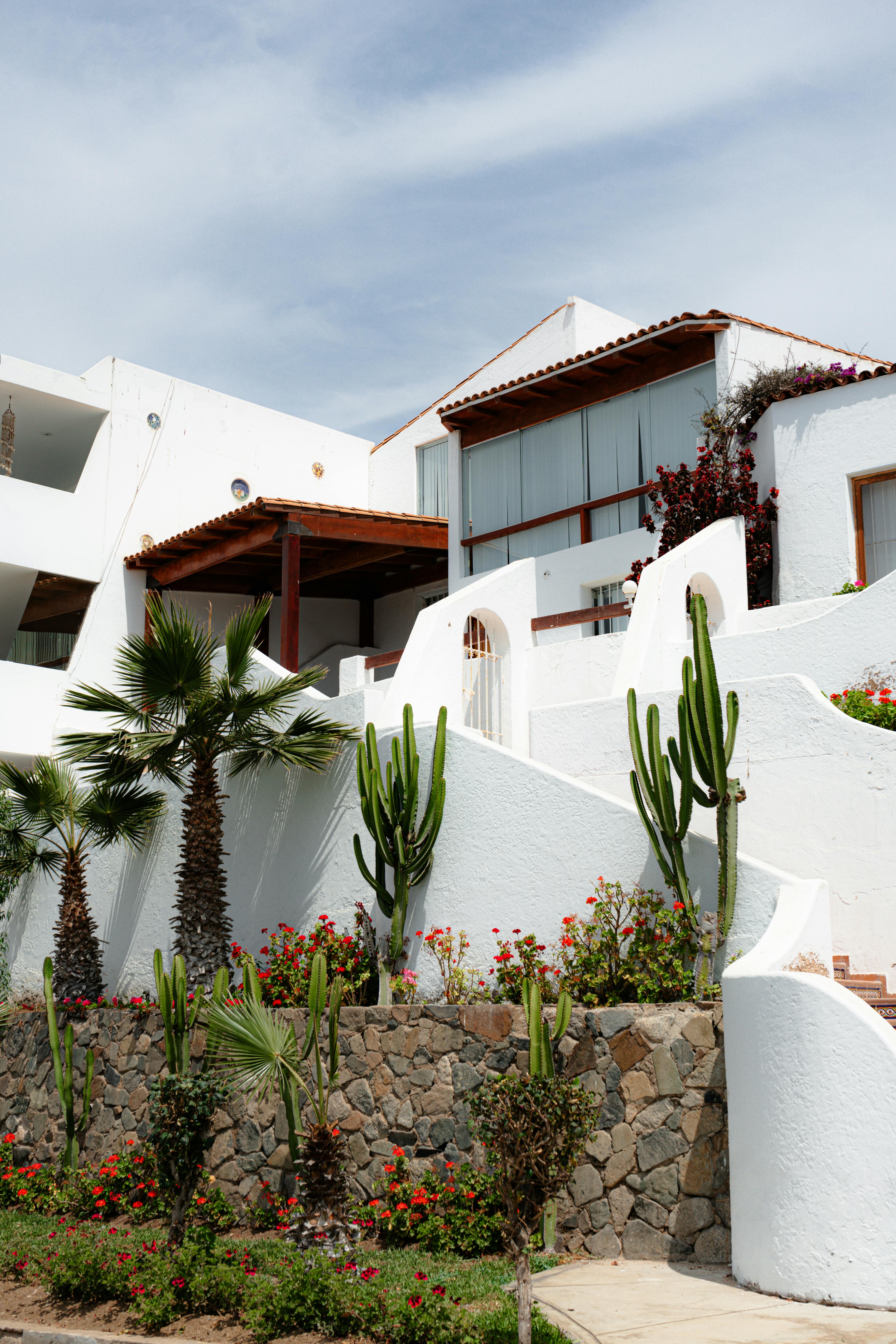
Waterproofing gets all the attention in masonry paint marketing, but breathability is arguably just as important, and it's the property that separates a paint job that lasts fifteen years from one that starts blistering after two. Masonry, render, brick, concrete, block, is naturally porous, and moisture will always find its way into a wall to some degree, whether from driving rain, rising damp or simple humidity. A genuinely good masonry paint, sometimes called microporous or breathable, lets that trapped moisture escape from the wall as vapour while still resisting rain from getting in. A paint that's waterproof but not breathable can trap that moisture behind the film instead, and the pressure from trapped vapour is exactly what causes blistering, peeling and premature failure. This is why Sandtex Smooth Masonry Paint is formulated to be both breathable and waterproof rather than just one or the other.
Coverage and how far a tin actually goes
Coverage claims vary a surprising amount between brands, and a higher coverage figure per litre isn't automatically better if it comes at the cost of a thinner, less protective film. Sandtex Smooth Masonry Paint covers roughly 12-16m² per litre depending on surface porosity and texture, smooth previously painted render sits toward the top of that range, rough or bare pebbledash toward the bottom. When comparing coverage between products, it's worth checking whether the figure quoted is for one coat or two, and whether it assumes a smooth or textured surface, quoted figures that look impressive in isolation sometimes turn out to be optimistic once you're actually rolling paint onto a real wall.
Resistance to dirt, mould and algae
UK weather, damp, mild, and frequently overcast, is close to ideal growing conditions for mould, algae and general grime build-up on exterior walls, particularly on north-facing elevations or anywhere shaded by trees and fences. A masonry paint's resistance to this kind of biological growth matters more here than it might in a drier climate. Sandtex Smooth Masonry Paint is formulated to resist mould and algae growth and to shed dirt more effectively than an untreated or lower-quality coating, which keeps a wall looking freshly painted for longer between repaints, rather than developing green or black staining within a year or two of application.
Flexibility and how a paint film copes with weather
Exterior walls expand and contract with temperature changes throughout the year, sometimes quite significantly on a wall that gets direct summer sun and hard winter frost. A rigid, inflexible paint film is more prone to cracking under this kind of stress, particularly around hairline cracks in the underlying render. A water-based acrylic formulation, like Sandtex Smooth Masonry Paint, generally offers better flexibility than older solvent-based alternatives, which helps the paint film move with the wall rather than fighting against it.
Colour retention and UV resistance
A masonry paint that fades noticeably within a few years defeats the purpose of choosing a specific colour in the first place. UV exposure, particularly on south and west-facing walls, is the main driver of colour fade over time. A well-formulated masonry paint uses pigments and binders designed to resist UV breakdown, holding its original shade far longer than a budget alternative. This matters more with darker, more saturated colours (a rich terracotta or bitter chocolate will show fade more visibly than a pale neutral), so if you're set on a bold shade, paint quality is worth prioritising over price.
Ease of application matters more than it seems
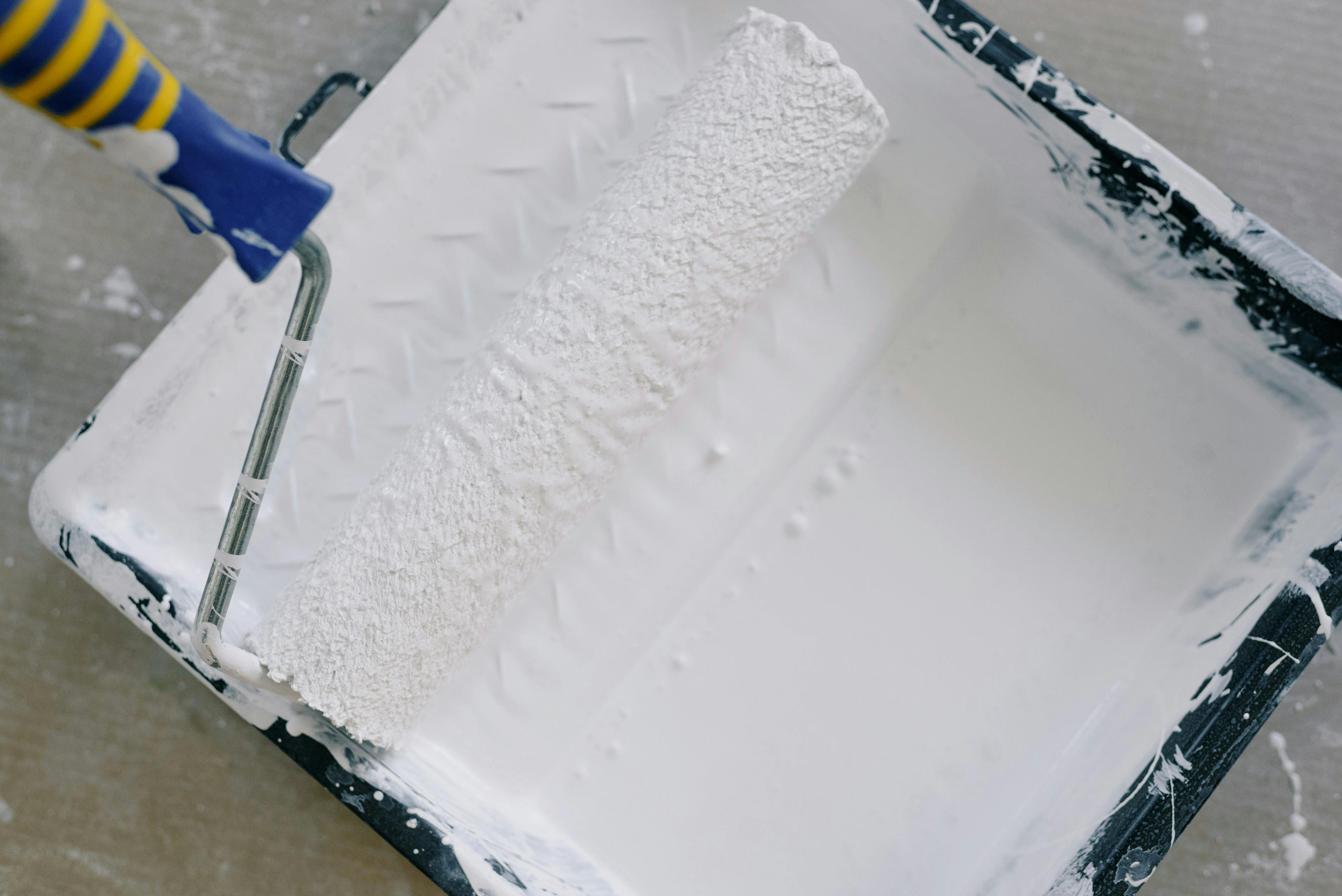
A paint that's technically excellent but a nightmare to apply evenly will often end up looking worse on the wall than a slightly simpler formulation applied well. Good masonry paint should apply smoothly with a brush, roller or sprayer without excessive dragging or patchiness, and should self-level reasonably well to minimise visible roller or brush marks once dry. Sandtex Smooth Masonry Paint is designed for straightforward brush, roller or spray application straight from the tin, which matters a great deal if you're doing the job yourself rather than hiring a professional decorator.
Matching the paint to your specific surface
The "best" masonry paint for a smooth modern render is not necessarily the best choice for a heavily textured pebbledash or roughcast wall, and vice versa. Textured surfaces need a paint with good body that fills and coats properly with a long-pile roller, without running or pooling in the recesses. Smooth render benefits from a paint that lays flat with minimal visible texture of its own. Sandtex Smooth Masonry Paint is suitable across render, roughcast, pebbledash, concrete, building blocks and facing brick, though as with any masonry paint, it isn't intended for common, fletton or engineering-type brick, or for wood or metal surfaces, which need their own dedicated products.
Guarantee and manufacturer confidence
How long a manufacturer is willing to stand behind their own product tells you something real about how confident they are in its long-term performance. Sandtex backs the Smooth Masonry range with 15 years of trusted durability, a figure that reflects genuine product testing and real-world performance history rather than a marketing number pulled from thin air. When comparing masonry paints, a specific, published durability figure from an established, long-standing manufacturer is generally a more reliable signal than vague claims of "long-lasting" protection with no figure attached.
Getting the colour range you actually want
Performance matters, but so does actually finding a colour that suits your property, and this is somewhere a broad, well-established range genuinely helps. We stock Sandtex Smooth Masonry Paint in around 27 shades, from crisp neutrals like Pure Brilliant White and Magnolia, through warm stones like Sandstone and Cotton Belt, to contemporary greys and blues including Plymouth Grey, French Grey and Silver Blue, plus deeper tones like Anthracite and Bitter Chocolate. Testing a 150ml sample pot on your actual wall before committing to a full-size tin is the single best way to make sure your chosen shade looks right once it's up, colour can shift noticeably depending on your wall's texture and orientation.

Pack size: buying the right amount for the job
Getting pack size right matters more than it might seem, buy too little and you're stuck waiting for a colour-matched top-up mid-job, buy too much and you've paid for paint that sits unused in the shed. Work out your wall's approximate area (height multiplied by width, minus windows and doors), then divide by the lower end of the coverage range to allow for texture and porosity, and remember you need enough for two coats, not one. A small garden wall or porch might only need a 1L or 2.5L tin, while a full house elevation is where larger 5L, 7.5L or 10L trade sizes become far more cost-effective per litre. Buying a 150ml tester first, even if you're confident on colour, is still worth doing purely to check how the paint handles and covers on your specific surface before you commit to the full amount.
A quick checklist before you buy
Before adding a tin to your basket, run through a short mental checklist: is your surface one of the suitable types (render, roughcast, pebbledash, concrete, block or facing brick, not common brick, wood or metal)? Is the paint genuinely breathable as well as waterproof? Does the manufacturer publish a specific durability guarantee rather than vague marketing language? Is the colour range broad enough that you're not compromising on shade? And is application method, brush, roller or spray, compatible with your tools and the size of the job? If you can answer all five confidently, you're looking at a masonry paint worth trusting with the outside of your home.
Bringing it together
The best masonry paint for your home comes down to breathability, genuine weather resistance, mould and UV protection, ease of application and a manufacturer guarantee you can actually trust, more than any single headline claim. Sandtex Smooth Masonry Paint checks each of these boxes with a formulation that's been refined over decades of UK exterior use. Browse the full colour and size range, including 150ml testers for trying before you commit, on the Sandtex Masonry Paint collection page.
