

Tea towels do more work than almost any other item in the kitchen. They dry dishes, mop up spills, line bread baskets, and get grabbed for a hundred small jobs a day, yet they're often one of the last things anyone thinks to wash properly. Get the washing routine right and they'll stay soft, absorbent, and genuinely useful for years. Get it wrong and you'll end up with towels that smell musty, leave fluff on your glasses, or simply stop soaking up water.
This guide covers how often to wash tea towels, the right temperature and method, how to get tea towels white again, and what to do about smelly or fluff-shedding towels. Along the way there are a few practical fixes that make a real difference.
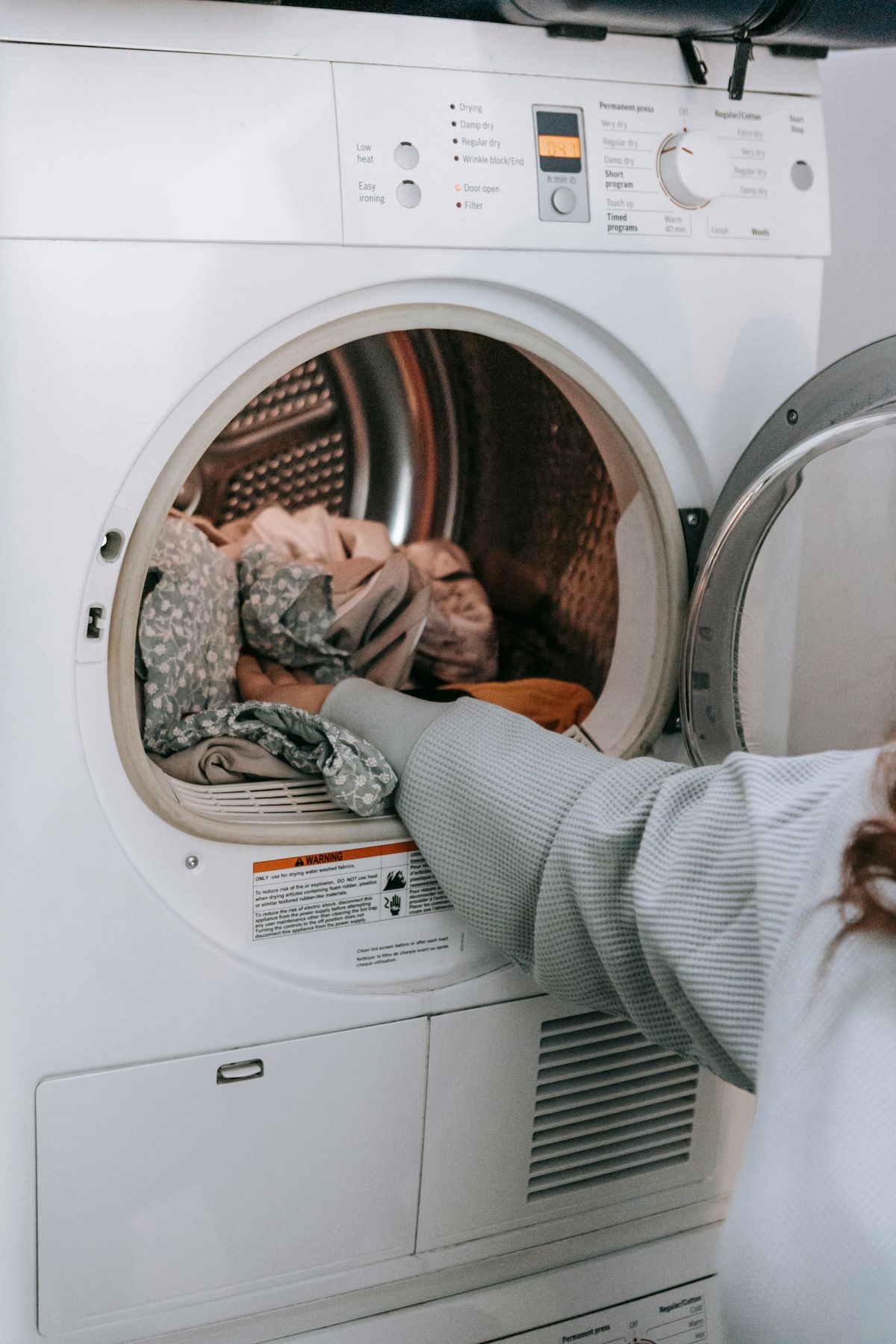
Why Tea Towels Need Washing More Often Than You'd Think
A tea towel that dries wet dishes, wipes down a worktop, and gets left crumpled on the counter is picking up bacteria all day long. Damp fabric sitting at room temperature is exactly the environment bacteria like, particularly if the towel has been used on raw meat juices, chopping boards, or anything spilled on the worktop.
Are tea towels hygienic in normal use? They can be, but only if they're washed regularly and properly dried between uses. A towel that never fully dries out between washes is far more likely to harbour bacteria than one that's used, washed at a proper temperature, and dried completely.
Worktops themselves are a big part of the problem. A tea towel that's used to wipe down a surface straight after cutting raw meat, or picks up moisture from a draining board that hasn't been cleaned in a while, is transferring whatever's on that surface back onto itself. It then sits there, still damp, ready to spread bacteria the next time it's used on dishes or hands. Rotating towels and washing them properly breaks that cycle.
How Often Should You Wash Tea Towels?
As a general rule, wash tea towels every one to two days if they're in regular daily use. If a towel has been used to wipe up raw meat juice, mop a spill from the floor, or handle anything particularly messy, wash it straight after rather than waiting for the next load.
It helps to keep a small rotation going rather than relying on a single towel all week. Having a few spares in the tea towel collection means there's always a clean, dry one on hand while another is in the wash.
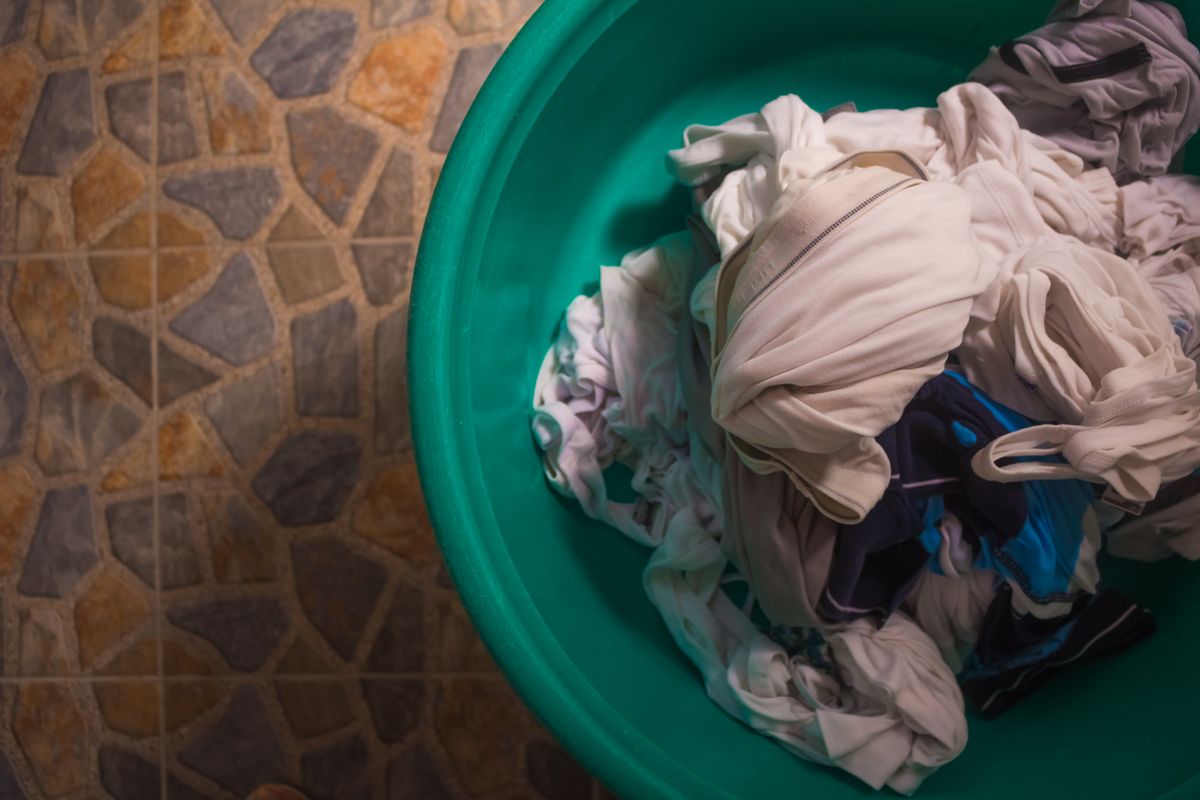
What Temperature to Wash Tea Towels
Tea towels should be washed at 60°C where the fabric allows it. This is the temperature most washing machine manufacturers and hygiene guidance point to for killing off the bacteria that build up on kitchen textiles. Check the care label first, as some patterned or coloured towels are rated for a cooler wash, but plain cotton and linen tea towels will usually take a hot wash without any trouble.
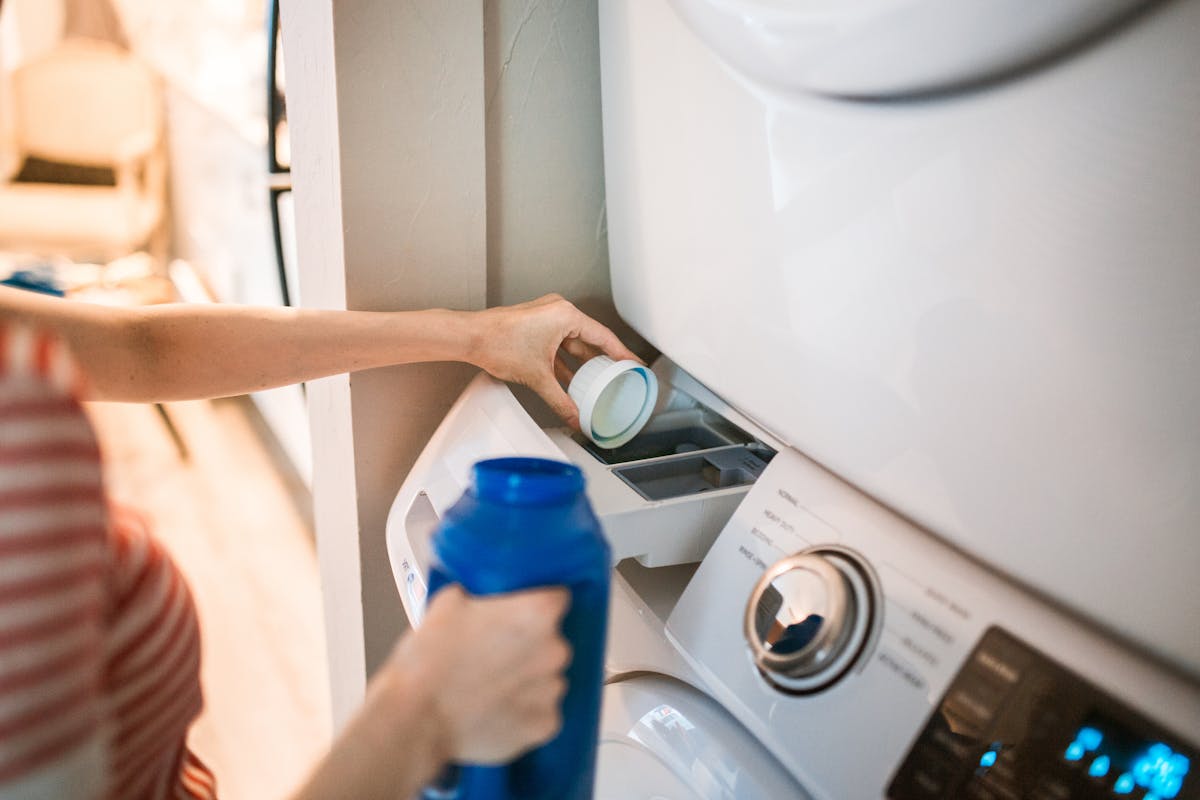
One thing to skip: fabric softener. It coats the fibres with a waxy layer that feels nice on bedsheets but works against you on anything meant to absorb liquid. Over a few washes, softener build-up is one of the main reasons tea towels stop drying dishes properly and start pushing water around instead of soaking it up. A normal detergent on its own, at the right temperature, is enough.
In practice, how to clean tea towels comes down to a simple routine: sort them from lightly-used cloths and kitchen linens, wash at 60°C with a normal detergent dose, skip the softener compartment, and dry fully before putting them back into use. Overloading the machine stops towels getting properly agitated and rinsed, so it's worth washing them in a reasonably sized load rather than cramming them in with a full week's laundry.
How to Get Tea Towels White Again
Even with a good routine, white and pale tea towels tend to grey or yellow over time, and food and tea stains don't always come out in a standard wash. A couple of extra steps before the towels go in the machine make a noticeable difference.
Pre-soak with white vinegar
Soak stained or greying towels in a basin of hot water with a cup of white vinegar for around an hour before washing as normal. Vinegar helps break down grease and mineral deposits from hard water, both of which contribute to that dull, greyish look over time.
Try an oxygen-based stain remover
Set-in stains such as tea, coffee, tomato, and turmeric respond well to an oxygen-based stain remover (the powder or liquid kind, not chlorine bleach), added either to the pre-soak or directly to the wash. It's generally safer on cotton and linen fibres than chlorine bleach, which can weaken the fabric over repeated use.
Dry in sunlight when you can
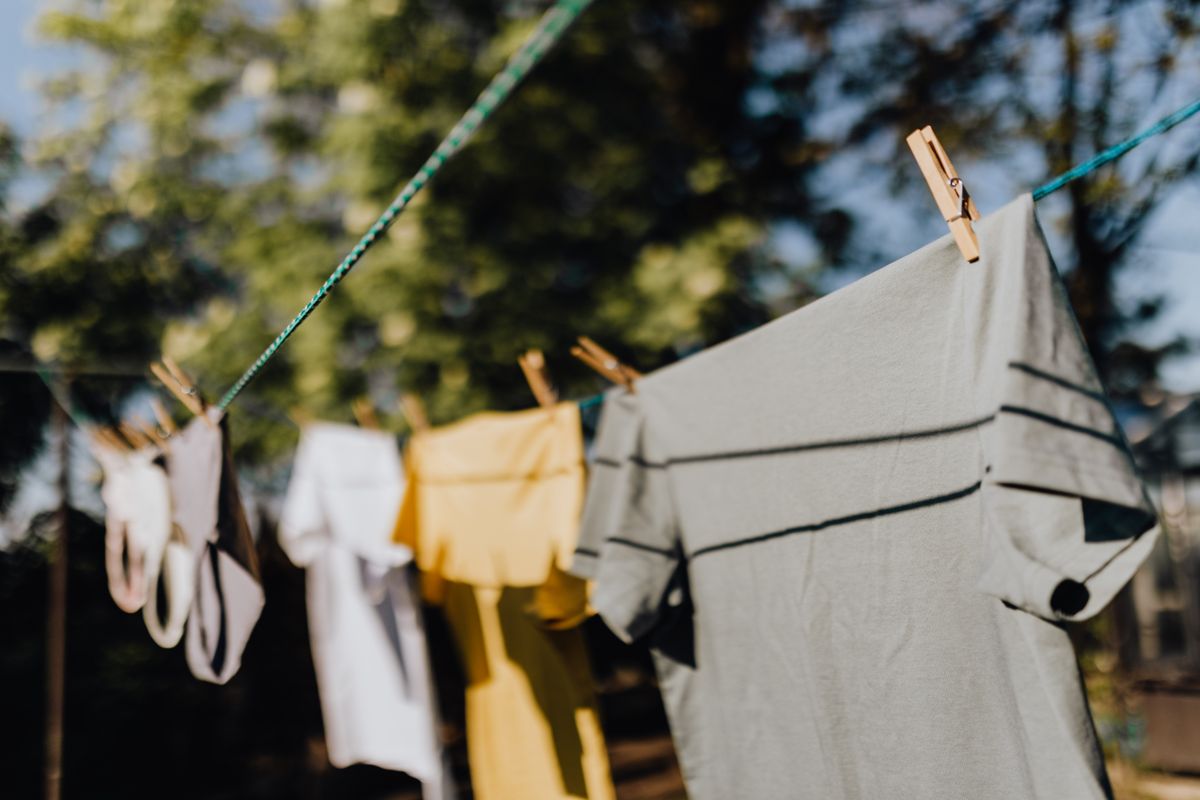
Sunlight is a natural whitener. Drying white or pale tea towels outside on a bright day helps lift remaining stains and brightens the fabric without any extra chemicals. It's a slower process than a stain remover but works well as a top-up between washes, especially in summer.
How to Stop Tea Towels Leaving Fluff
New terry (looped, towelling-style) tea towels shed some lint in their first few washes as loose fibres from manufacturing work their way out. This is normal, but it's worth managing so that fluff doesn't end up all over dark clothes or other laundry.
For the first three or four washes, put new terry towels through on their own or with other light-coloured cottons rather than mixing them in with dark clothing or towels from other fabrics. Giving them a shake before they go in the machine, and again before hanging or tumbling, also helps remove loose fibres before they spread.
Can You Tumble Dry Tea Towels? Air Drying vs Tumble Drying
Yes, you can put tea towels in the washing machine and tumble dryer, but how you dry them affects how long they last and how absorbent they stay.
Air drying is gentler on the fibres and tends to keep tea towels absorbent for longer, since repeated high heat can gradually break down cotton and linen fibres over time. Hanging towels somewhere with good airflow, rather than folded in a damp pile, also means they dry fully between uses, and that matters for hygiene as much as for smell. A rail or set of towel clips or a wall-mounted tea towel holder makes it easy to keep towels spread out and drying properly rather than bunched up on a hook.
If you do tumble dry, use a low heat setting. It's quicker and still gets the job done, but high heat over many cycles is what tends to wear towels out fastest.

Dealing with Smelly or Musty Tea Towels
That musty smell comes from bacteria and mildew building up on fabric that's stayed damp for too long, whether that's balled up on a worktop or left in a laundry basket before washing. The fix starts before the towel even reaches the machine.
Always let tea towels dry out fully between uses rather than leaving them damp and screwed up. If a towel already smells musty, a wash with white vinegar added to the detergent drawer instead of fabric softener will usually clear it. For towels that have gone properly stale-smelling, an overnight vinegar soak followed by a 60°C wash should sort it out. If the smell keeps coming back no matter what you do, it may simply be time to retire the towel and start with a fresh one from the tea towel range.
FAQ
How often should you wash tea towels?
Every one to two days with regular daily use, and immediately after wiping up anything particularly messy, such as raw meat juices.
Are tea towels hygienic to reuse across a day?
They're fine for general drying and wiping across a day as long as they're washed regularly at 60°C and left to dry fully between washes. Keeping a rotation of a few towels rather than relying on one makes this easier to manage.
Why have my tea towels stopped absorbing water?
Fabric softener build-up is the most common cause. Switch to washing without softener, and an occasional vinegar wash will help strip any residue that's already built up on the fibres.
A proper wash routine, meaning the right temperature, no fabric softener, and full drying between uses, keeps tea towels working as hard as they're asked to. Browse the full tea towel collection for everyday cottons, terry towels, and patterned sets to keep your rotation topped up.
