

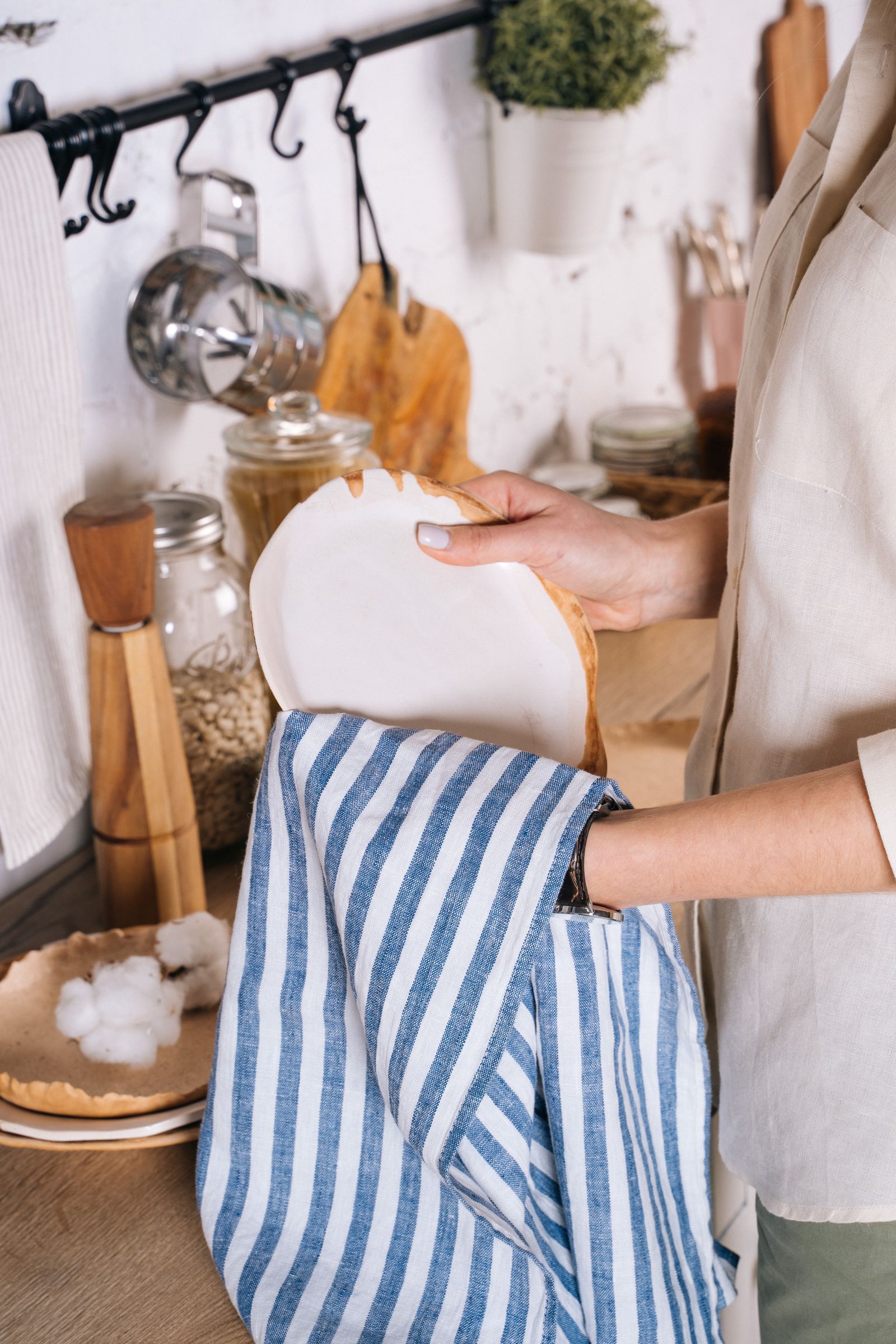
If you've opened a kitchen drawer anywhere in Britain, you've found one of these folded inside it. It's such an ordinary object that most of us never think about it. Then we're stood at the sink with a wet glass and nothing dry to hand, and suddenly it matters. This guide covers what a tea towel actually is, where the name comes from, what people use them for today, what they're made from, and how to tell a tea towel apart from a dish towel or a kitchen towel.
What Is a Tea Towel?
A tea towel is a lightweight, absorbent cloth used mainly for drying dishes, glasses and cutlery by hand after washing. It's flatter and thinner than a bath towel, usually woven from cotton or linen, and often printed or woven with a pattern rather than left plain.
Most tea towels measure somewhere between 45cm x 65cm and 50cm x 80cm, big enough to dry a stack of plates or a large pan yet small enough to hang neatly over an oven door rail or a hook. Many have a hanging loop stitched into one corner for exactly that reason. They're distinct from a dishcloth or flannel, which is used for washing and wiping rather than drying, and from a bath towel, which is thicker, heavier, and far too bulky to work into the base of a glass.
What sets a tea towel apart from most other household textiles is how often it gets used. A single tea towel might dry a full washing-up load, wipe a worktop, and mop up a spill, all in the space of one evening. That's why the weave and material matter more than they might first appear to.
Why Is a Tea Towel Called a Tea Towel?
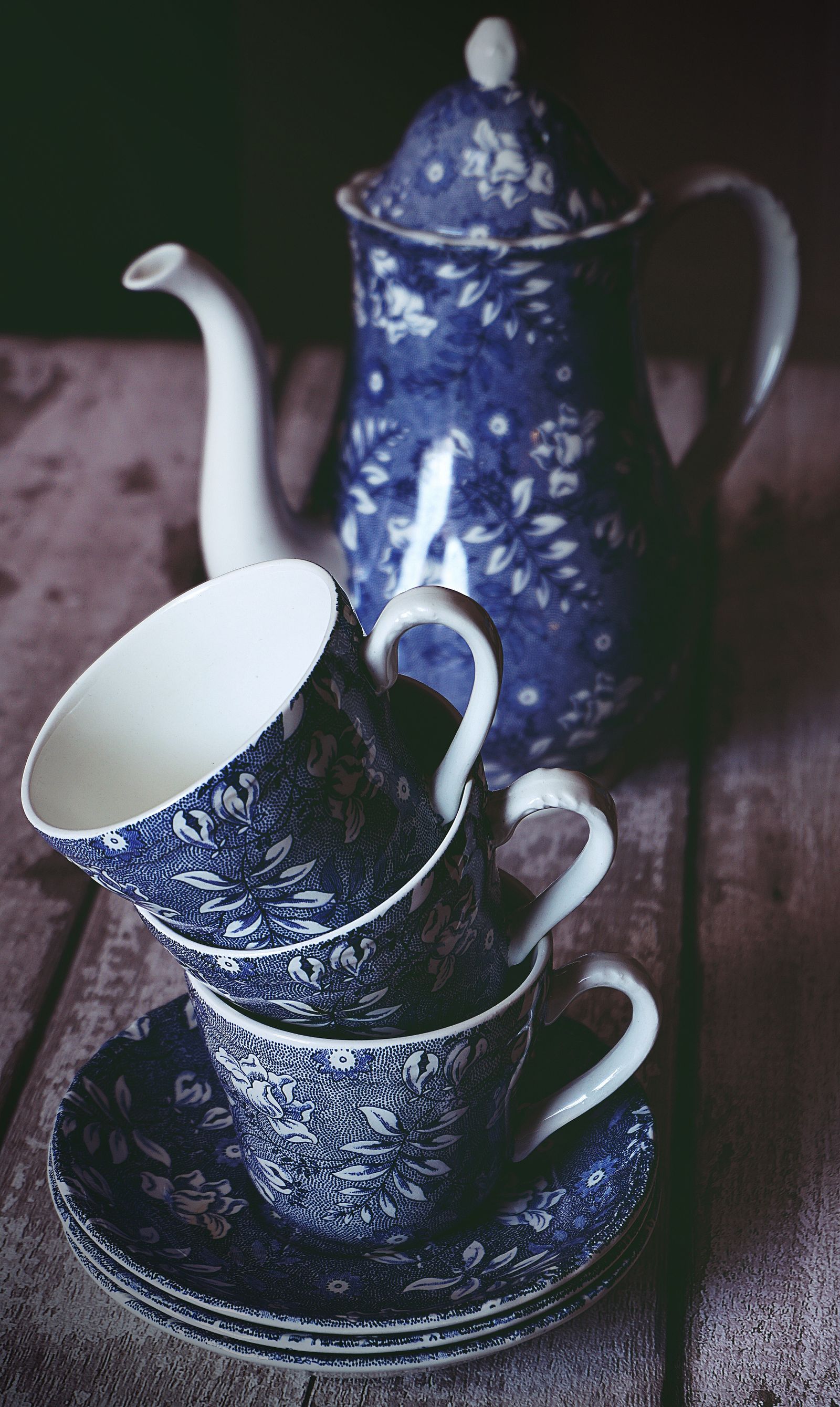
The name genuinely comes from tea. In Victorian Britain, taking tea was a proper social occasion, and the china used for it (cups, saucers, teapots, milk jugs) was often fine bone china, expensive and easily marked or chipped.
Leaving delicate china to drain and air-dry on a rack wasn't considered acceptable. Water left to dry naturally could leave streaks, spots or a dull film on the glaze, and stacking wet china risked chips. So each piece was dried by hand, immediately, with a soft, lint-free cloth kept specifically for the job: a cloth for drying the tea things. That cloth became known as the tea towel.
Households kept these towels separate from cloths used for pans or general washing-up, precisely because they needed to stay clean and lint-free for good china and glassware. Over the following decades the term broadened from "the cloth for the tea set" to mean any lightweight cotton or linen cloth used for hand-drying in the kitchen, and that's the meaning it still has today.
It's a distinctly British bit of naming. In the US, the same cloth is almost always called a dish towel, with no reference to tea at all. It's one of the small language differences that trips up American visitors browsing a UK kitchenware shop. The older British term "tea cloth" comes from exactly the same root, and you'll still hear it used by older generations or on the label of some traditional linen ranges.
What Are Tea Towels Used for Today?
The core job hasn't changed much since Victorian times: drying dishes, glasses and cutlery by hand after washing up. A good tea towel earns its keep well beyond the sink, though:
- Drying washed plates, bowls, pans and cutlery
- Wiping down worktops and drying hands
- Covering bread dough while it proves, to stop a skin forming
- Lining a bread basket to keep rolls or bread warm at the table
- Protecting hands when lifting a hot pan or tray from the oven
- Polishing glasses and cutlery to a streak-free shine
Most kitchens get more use out of two or three tea towels on rotation than a single "best" one: one for everyday drying, one kept cleaner for glassware, and a spare on standby. A tea towel that's damp all day picks up bacteria fast, so having enough in rotation to swap a fresh one in matters more than most people realise.
What Are Tea Towels Made From?
Material makes a real difference to how a tea towel performs, and most fall into one of three categories.
Cotton tea towels are the most common. They're absorbent, hard-wearing, easy to wash at high temperatures, and take printed patterns well, which is why so many cotton tea towels double as kitchen decoration. A patterned cotton tea towel set is a straightforward, practical choice for everyday use.
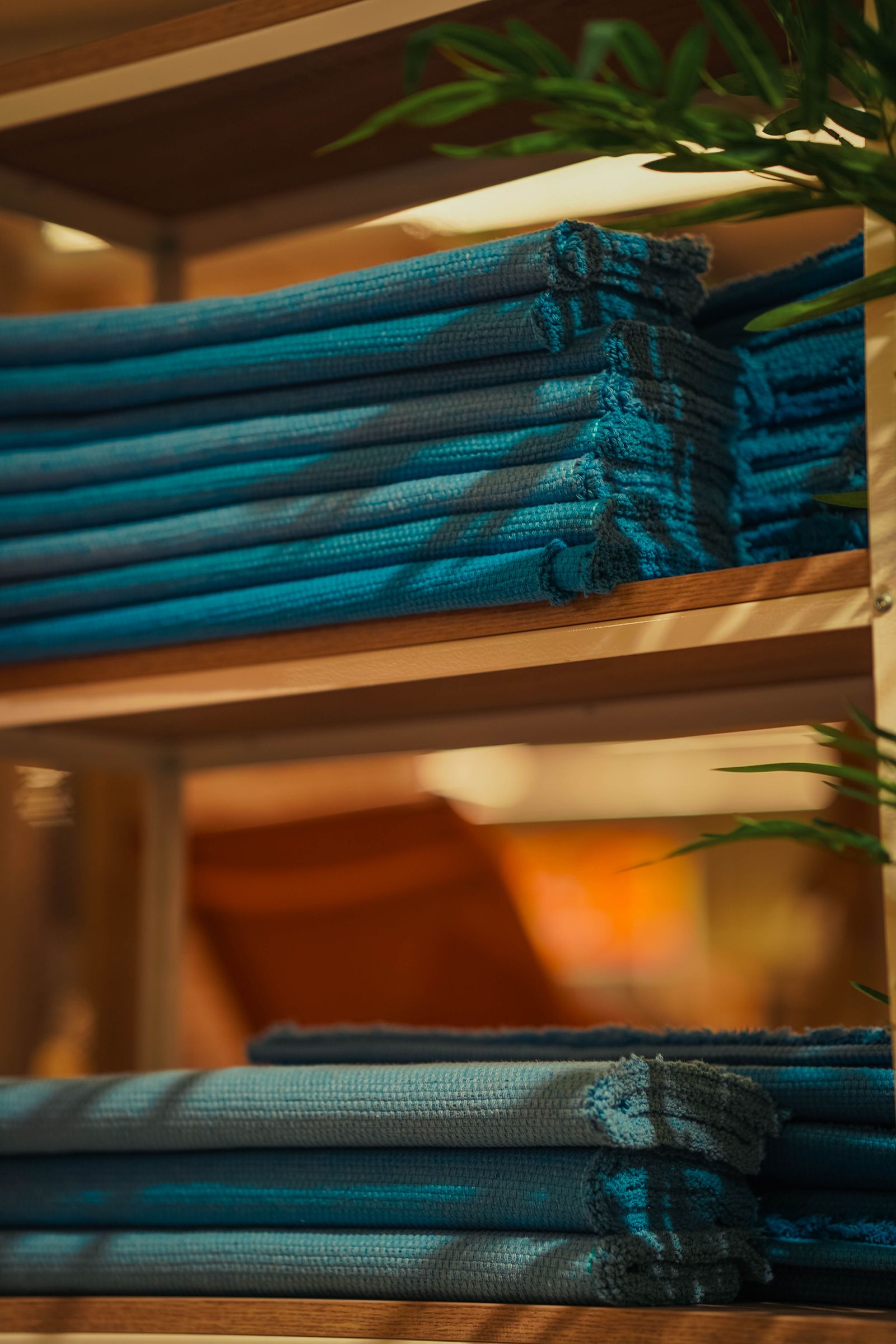
Cotton terry tea towels use a looped pile weave, the same construction as a bath towel, which gives them noticeably more surface area to soak up water. A terry tea towel is the best option for heavy, everyday drying jobs such as big pans, roasting trays and a full washing-up bowl of dishes, where absorbency matters more than a neat finish.
Linen tea towels are woven from flax rather than cotton. Linen fibres are naturally lint-free and dry faster than cotton, which is exactly why they were the traditional choice for drying good china and glassware: no fluff left behind, no streaks. They're thinner and less absorbent than terry, but for polishing glasses or handling anything you don't want to leave lint on, linen is still the better option.
Tea Towel vs Dish Towel vs Kitchen Towel: Are They the Same?
In the UK, yes, mostly. Tea towel, dish towel and tea cloth are used interchangeably to mean the same item: a flat, absorbent cloth for hand-drying dishes and general kitchen use. If someone hands you a "dish towel" or a "tea cloth" in a British kitchen, it's the same object as a tea towel.
"Kitchen towel" is the one to watch. It's often used the same way, but in the UK it can also mean kitchen roll, the disposable paper towel on a holder by the sink. Context usually makes it clear which one's meant, but if precision matters, "tea towel" is the safer term for the reusable fabric cloth.
Choosing the Right Tea Towel
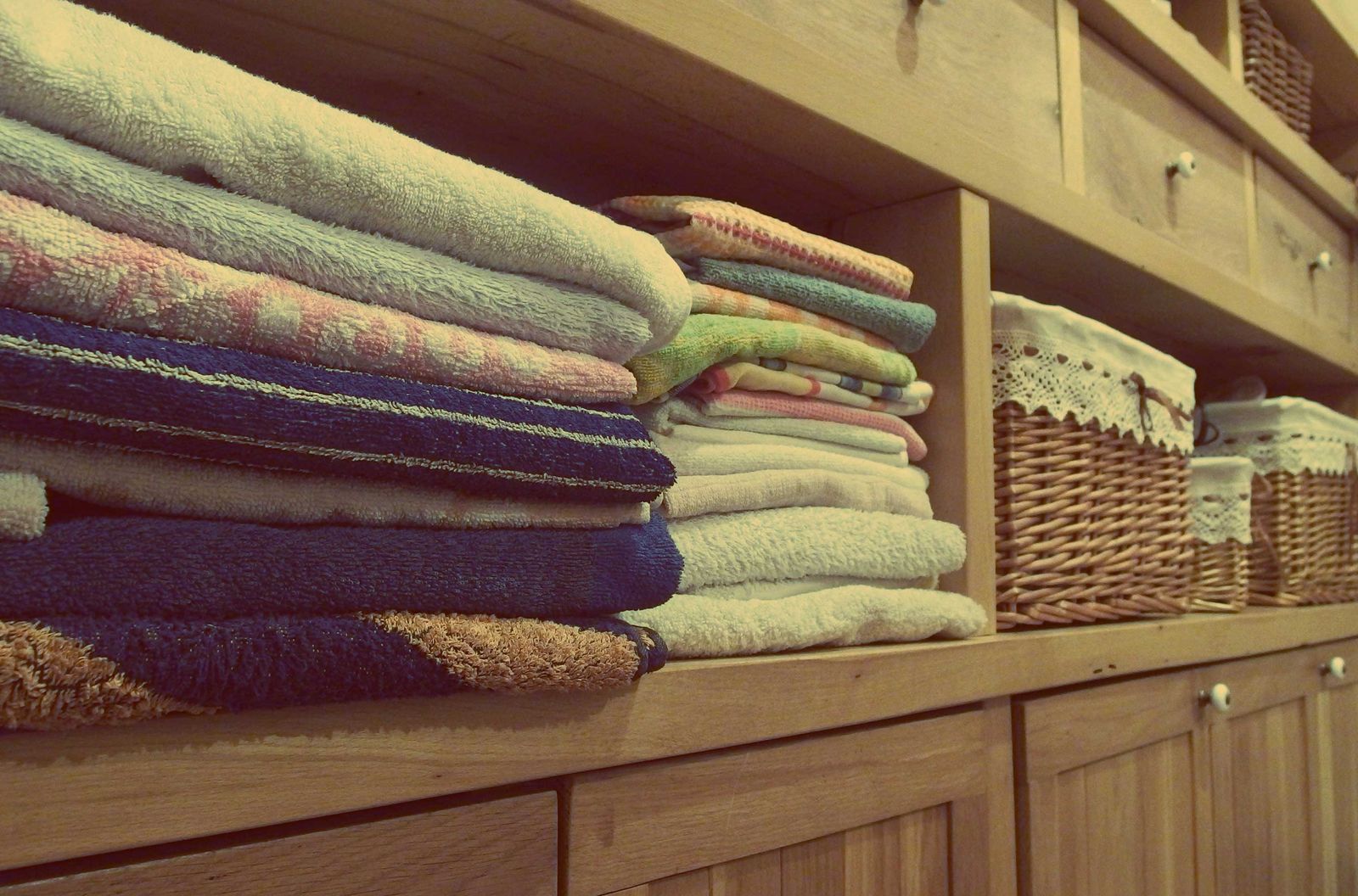
For everyday washing-up, a terry tea towel or a couple of standard cotton ones will handle most of the workload and cope well with frequent washing. If you're after something to keep for good china and glassware, a linen tea towel is worth having in the drawer alongside them. Either way, browsing a proper tea towel collection rather than picking up whatever's nearest makes it easier to match the cloth to the job.
Looking After Your Tea Towels
Tea towels see more daily use than almost anything else in the kitchen, so a little care keeps them working properly for longer. Wash them regularly, ideally at 60°C or above, since a damp cloth left folded on the side is exactly the environment bacteria like.
Hang tea towels to dry fully between uses rather than leaving them bunched up on a worktop. A hook, an oven door rail or a radiator all work well. Avoid fabric softener on cotton and linen tea towels if you can, as it coats the fibres and reduces how much water they can absorb.
New cotton and linen tea towels also tend to get more absorbent after the first few washes, once any finishing treatment from manufacturing has washed out, so don't judge a new one on its first outing. Once a tea towel is thin, holed or permanently stained, it's better moved on to rag duty and replaced. A worn-out cloth just pushes water around rather than lifting it.
FAQ
What are tea towels used for?
Mainly drying dishes, glasses and cutlery by hand, but also covering proving dough, lining bread baskets, handling hot pans, and general wiping down in the kitchen.
Are tea towels the same as kitchen towels?
Usually, yes, but "kitchen towel" can also refer to disposable paper roll in the UK, so it's worth checking which one's meant if it isn't obvious from context.
What are tea towels made from?
Most commonly cotton, cotton terry, or linen. Cotton is the everyday standard, terry is the most absorbent for heavy drying, and linen is lint-free and best for glassware and good china.
Why is a tea towel called a tea towel?
Because it began, in Victorian Britain, as the cloth kept specifically for hand-drying fine china tea sets straight after washing, rather than leaving them to drain, which risked streaks and chips. The name stuck long after it broadened to cover any kitchen drying cloth.
