


If you have a drawer full of broken bits waiting to be fixed, there is a good chance UHU all purpose adhesive can sort most of them in one sitting. It is the classic clear glue that has been doing the rounds in homes, schools and workshops for decades, still one of the most useful things to keep for a broken mug handle, a loose chair joint or a peeling shoe sole. This guide covers what UHU all purpose glue bonds, how to use it properly, how long it takes to dry, and what to do when something does not go to plan.
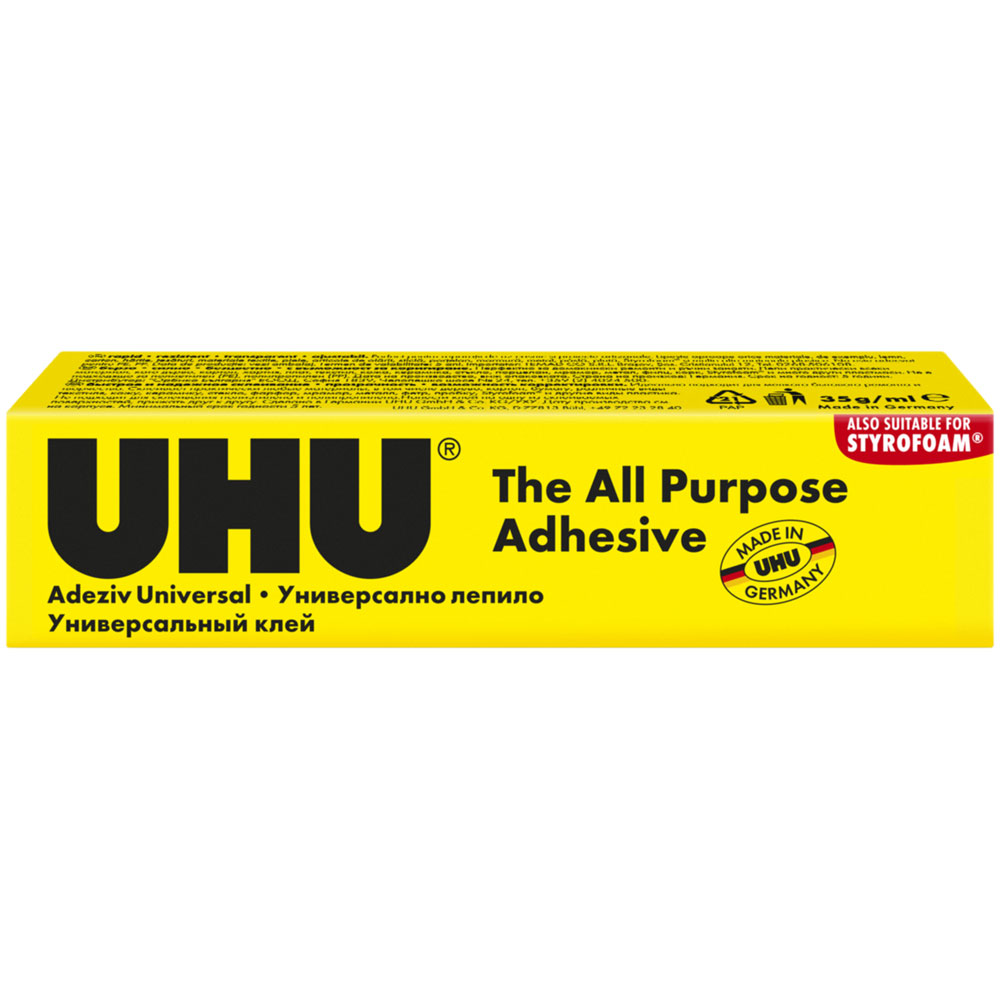
What Is UHU All Purpose Adhesive, and How Strong Is It?
UHU all purpose adhesive is built around polyvinyl acetate (PVA) dissolved in a mix of esters and alcohols. That solvent blend is what lets it flow on thinly and dry crystal clear rather than leaving a cloudy or yellow line, which answers one of the most common questions people search before buying: does UHU glue dry clear? Yes, reliably so, which is exactly why it is the go-to for visible repairs like glass ornaments or clear plastic parts.
As for how strong UHU all purpose glue actually is, once fully cured it reaches a bond strength of around 7 N/mm2, genuinely strong for a household glue and enough to hold wooden joints, bonded ceramics and plastic repairs under everyday stress. It is not a structural adhesive for load-bearing furniture, but for the sort of repair most people do at the kitchen table, it holds firmly and permanently.
A question that comes up a lot is whether UHU all purpose adhesive counts as a super glue. It does not work the same way. Super glue (cyanoacrylate) sets almost instantly through a reaction with moisture in the air and tends to be brittle once cured. UHU's PVA formula sets as the solvents evaporate, so it stays slightly flexible and copes better with materials that flex or move, like fabric, leather or rubber.
What Does UHU Glue Work On?
This is genuinely an all purpose adhesive, and the list of things it bonds reliably is long:
- Wood and wood-based materials (MDF, plywood, chipboard)
- Hard and soft PVC, ABS, acrylic (Plexiglas) and polystyrene
- Metal, glass, porcelain and ceramic
- Leather, rubber, felt and cork
- Fabric, cardboard and paper, without wrinkling the paper
So if you are wondering whether UHU glue works on fabric, metal, plastic, rubber or wood, the answer is yes across the board, provided the surfaces are clean and you follow the method below. It is one of the few glues flexible enough to go from a wobbly table leg to a torn jacket lining without switching products.
What UHU All Purpose Glue Will Not Bond
There are a few materials it is not designed for, and it is worth knowing them before you start:
- Expanded polystyrene foam (Styrofoam)
- Polyethylene (PE)
- Polypropylene (PP)
These plastics are too chemically inert for the solvent to key into properly. If you are repairing foam, use a dedicated foam-safe adhesive instead, since solvent-based glues like this one can eat into expanded foam rather than bond it.

How to Use UHU Glue the Right Way
The method itself is simple, but getting the prep right is what separates a repair that lasts from one that lets go again in a week.
- Make sure both surfaces are clean, dry and free of dust, grease or old adhesive residue.
- If you are gluing plastic or metal, lightly roughen the surface first (fine sandpaper or a scouring pad works well) so the glue has something to key into.
- Apply a thin, even layer of adhesive to one or both surfaces. Resist the urge to pile it on; a thin coat bonds better and dries faster than a thick one.
- Press the parts together firmly and hold or clamp them in place.
- Leave the repair undisturbed for at least 24 hours to reach full bond strength.
For non-absorbent materials such as glazed ceramic, porcelain or coated paper, a single coat is not quite enough. Apply glue to both surfaces, let that first coat dry, then apply a second thin coat and press together immediately. This gives the glue something to grab onto, since it is not soaking into the material the way it would with wood or card.
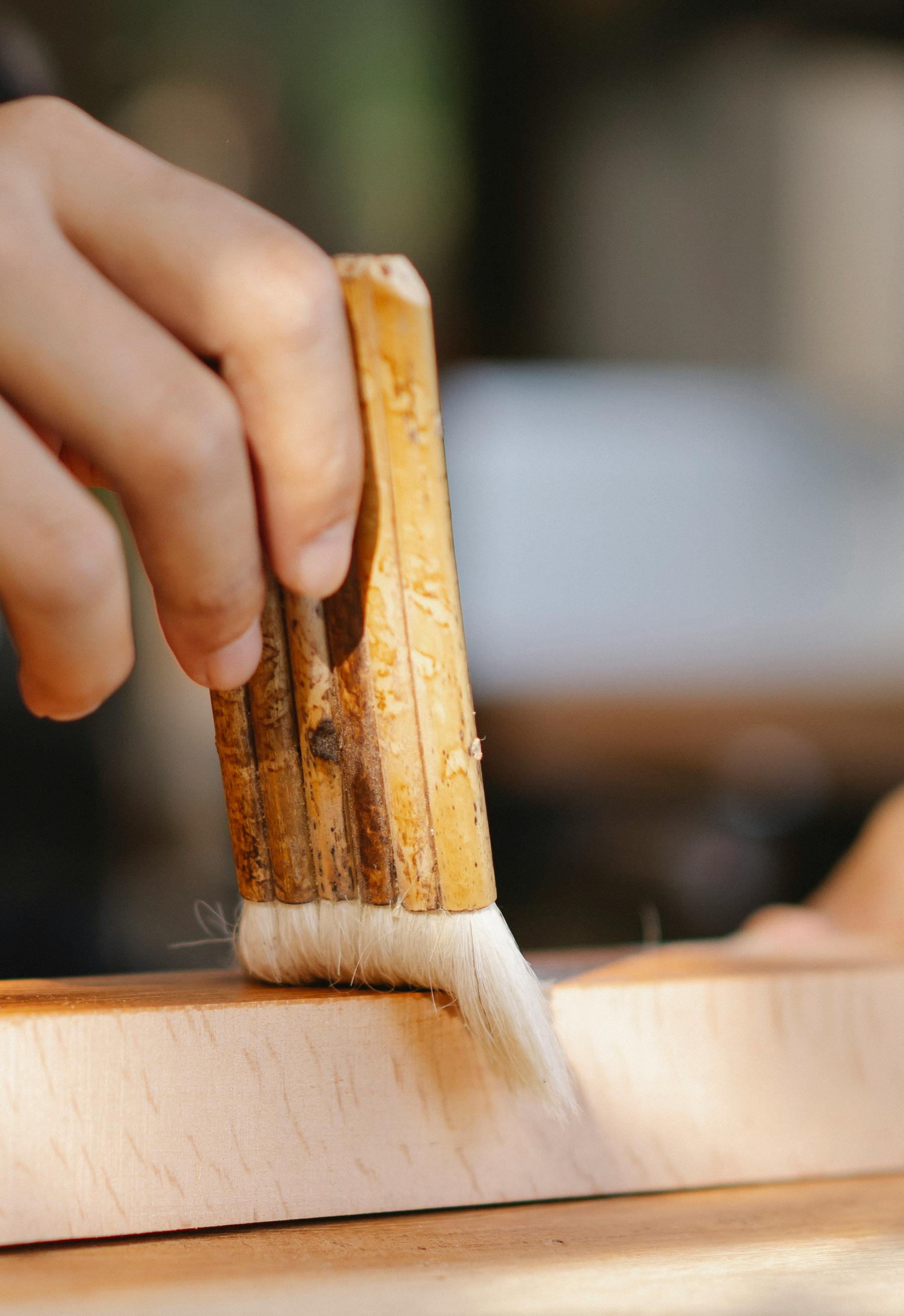
For a single break, a 20ml blister pack or 20ml boxed tube is plenty. For bigger projects, the 35ml blister, 35ml boxed, 60ml or 125ml boxed sizes go further, and classrooms or craft groups do best with the 10-pack of 7ml tubes, so everyone has their own.
How Long Does UHU Glue Take to Dry?
This is probably the single most searched question about this glue, and the honest answer is that there are two timers running. Initial tack, where the parts grip enough to stay in place, arrives within 60 to 120 seconds. Full bond strength, the point where the repair can take everyday stress, takes 24 hours. How long UHU glue takes to dry on plastic follows the same pattern, though non-porous plastics benefit most from the thin-layer rule, since a thick blob on a surface that cannot absorb any solvent simply takes longer to cure through.
If you are looking for how to make UHU glue dry faster, there are a few genuine levers to pull:
- Apply it thinly. Thickness is the single biggest factor in drying time.
- Work in a warm room. UHU's own guidance is not to use the adhesive below 5°C, and drying slows noticeably in cold conditions, so an unheated shed in winter is the wrong place for a quick repair.
- Keep the area ventilated, since the solvents need to evaporate and still, humid air slows that down.
- Avoid clamping parts so tightly that no air can reach the joint edges, particularly on porous materials.
What you should not do is rush full cure time by stressing the joint early. Initial tack feels solid within minutes, but the bond keeps building strength underneath for the full 24 hours.
Is UHU Glue Waterproof?
Once fully cured, UHU all purpose adhesive is moisture-resistant, so it copes fine with a damp cloth or humid bathroom air. It is not, however, fully waterproof, so it is not the right choice for anything properly submerged or left outside in the rain, such as garden ornaments or anything that goes in a dishwasher. For those jobs, step up to UHU Max Repair, built for extra strength and genuinely waterproof, weatherproof repairs.
Real Repair Scenarios Worth Knowing
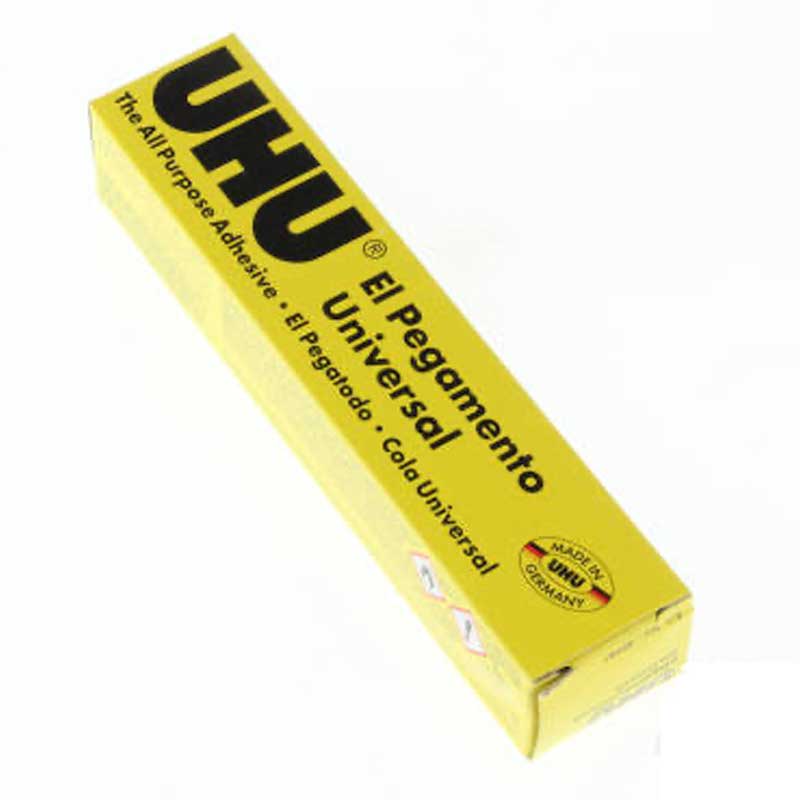
A few specific situations come up often enough to call out directly. Model makers working with polystyrene kit parts consistently find that lightly scuffing glossy plastic before gluing makes a measurable difference, since a factory-smooth surface gives the adhesive little texture to grip. The same logic applies to painted or varnished wood: a quick scuff with fine sandpaper on the joint area beats gluing straight over a sealed finish.
For glazed ceramics and porcelain, the double-coat technique mentioned earlier is close to essential. Glazed surfaces are completely non-absorbent, so a single thin coat pressed together straight away often looks fine at first and then fails under light stress, like a mug handle being lifted. Giving the first coat time to dry before adding a second gives the glue a textured surface to bond against instead of smooth glaze.
For fabric repairs, a thin bead along a seam, pressed and left flat under a light weight while it cures, holds far better than a thick bead that squeezes out and stiffens the surrounding fabric.
Troubleshooting and Removing UHU Glue
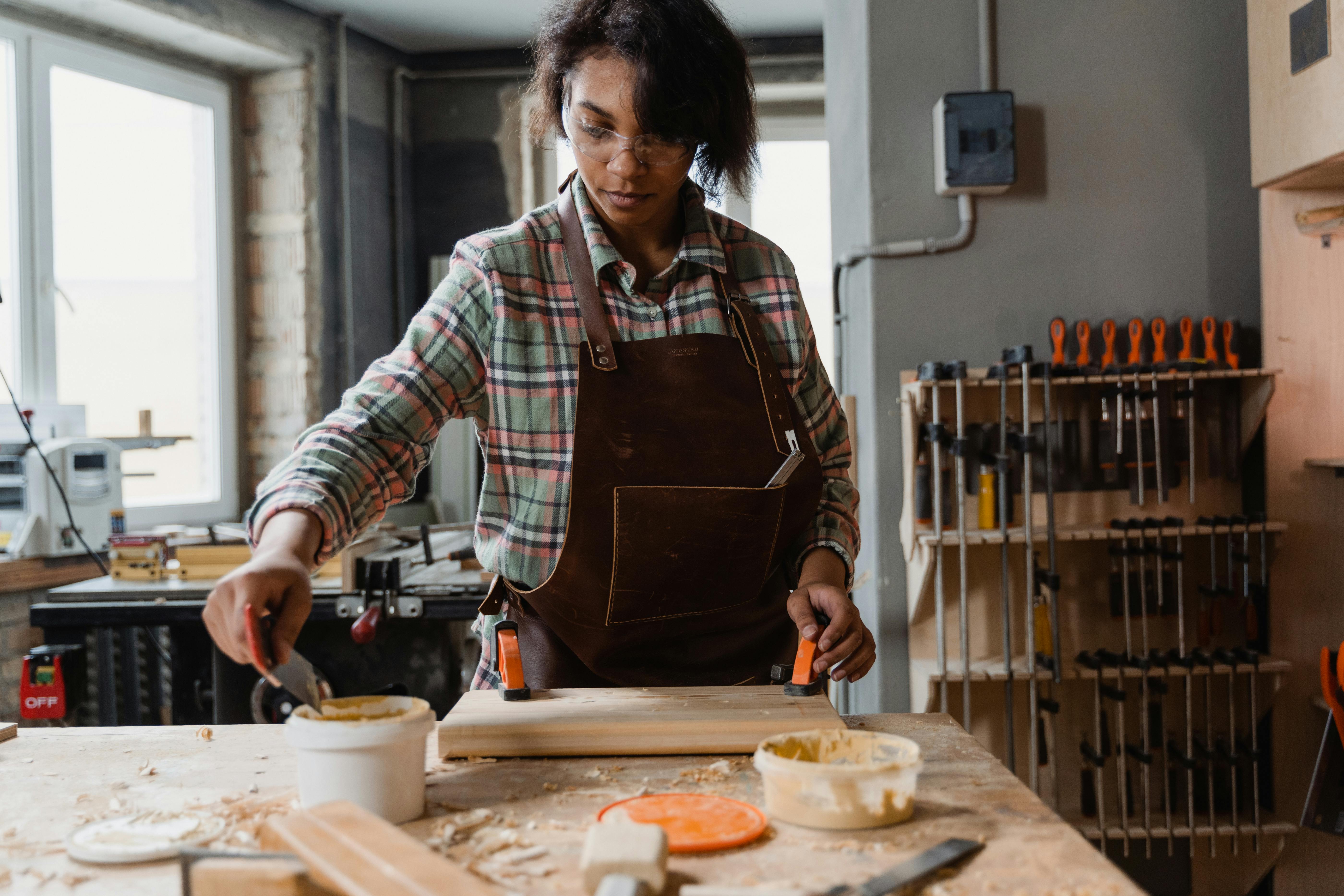
If you notice excess glue before it sets, wipe it away immediately with a damp cloth. Once it has dried on skin or fabric, acetone will usually loosen it (nail varnish remover is often acetone-based), but always test a hidden patch of fabric first in case it affects dye or finish. Store your tube or bottle somewhere dry, cool and frost-free, away from naked flames, since the solvents are flammable, and glue in a ventilated room rather than a sealed cupboard.
Quick Answers: UHU All Purpose Glue FAQ
Is UHU all purpose adhesive the same as super glue?
No. It is a PVA-based adhesive that sets by solvent evaporation rather than an instant chemical reaction, giving a longer working time and a more flexible finished bond.
Does UHU glue work on metal?
Yes. Lightly roughening the metal surface first improves the bond considerably.
Can UHU glue be used on rubber?
Yes, rubber is one of the materials it bonds well, alongside leather, felt and cork.
Is UHU all purpose glue strong enough for furniture repairs?
For light to moderate stress joints, yes. For heavily load-bearing furniture joints, a specialist wood adhesive may be a better match.
For everything from a quick fix on a loose button to a proper furniture repair, browse the full UHU glue range at Essentials Fix and pick the size that matches the job in hand.
