


If you've got a torn hem staring at you, a shoe sole that's started flapping, or a leather craft project waiting on the table, the question is always the same: which glue actually holds? Not every adhesive is built for fabric, and definitely not every adhesive is built for a shoe sole that has to flex every time you take a step. This guide walks through UHU Textile Glue for fabric, felt and leather repairs, and UHU Contact Glue Liquid for the jobs a normal glue just can't do, like soles, rubber and bags.
Which UHU glue do you actually need?
This is the bit most people get wrong. UHU makes several adhesives that look similar on a shelf but behave very differently once they're on your material.
- UHU Textile Glue 19ml: a solvent-free adhesive made specifically for fabric, felt and leather, including mixed combinations like fabric to leather or felt to leather. It dries transparent, stays flexible, and is washable once fully cured.
- UHU Contact Glue Liquid 33ml: a neoprene-rubber-based contact adhesive for the things ordinary glue struggles with, shoe soles and uppers, bags, toys, carpets and rubber. It's moisture and frost proof from -15C to +70C.
- UHU All Purpose Adhesive: a general-purpose glue that will bond some fabrics in a pinch, but it isn't the dedicated choice for garments or anything that has to survive a wash. You can see it on the UHU All Purpose Adhesive page if you want the full detail, but for clothing and soft furnishings, Textile Glue is the one to reach for.
You can browse the full range on the UHU glue collection page if you're not sure yet which one fits your project.

Does UHU glue stick fabric? Is it actually good for fabric?
Yes, but it has to be the right UHU glue. UHU Textile Glue is formulated to bond fabric-to-fabric, felt and leather, and it holds up to the things fabric repairs actually need to survive: flexing, folding and washing. It's solvent-free, so it's reasonably safe to use indoors without the headache-inducing fumes you get from some craft adhesives, and it dries clear rather than leaving a white crust along your seam.
So if you've been wondering whether you can use UHU glue on fabric for a hem, a patch, a loose label, or a felt craft piece, the answer is yes, as long as you reach for the Textile Glue rather than a general all-purpose adhesive. It's rated for ages 12 and up, which makes it a reasonable choice for school craft projects too.
How to use UHU Textile Glue on fabric, felt and leather
The application is straightforward, but a few details make the difference between a repair that lasts and one that peels open in the wash. Here are the UHU Textile Glue instructions in full:
- Clean and dry both surfaces. Any dust, oil or old glue residue will stop the adhesive bonding properly.
- Apply a thin, even layer to one of the two surfaces only. You don't need much, and a thick blob will just take longer to dry and squeeze out messily when pressed.
- Press the two surfaces together firmly and hold for a few seconds so full contact is made across the whole area.
- Leave the repair alone for about 30 minutes before handling it again.
- For a stronger, faster cure, iron over the joint on a low-medium heat setting with a cloth protecting the fabric. The heat speeds curing and noticeably improves how durable the bond ends up.
Once it's fully cured, the bond is washable up to 90C and safe to dry-clean, which is why it's the glue of choice for garment repairs rather than craft-only adhesives. One practical note: if you get glue somewhere you didn't want it while it's still wet, rinse it out with water straightaway. Once UHU Textile Glue has fully dried, it is very difficult to remove without damaging the fabric underneath, so it pays to work carefully and keep a damp cloth nearby rather than trying to fix mistakes afterwards.

Real fixes: patching jeans, bag linings and mixed materials
Where this glue earns its keep is in the repairs you'd otherwise put off indefinitely.
Patching jeans without hauling out a sewing machine
A denim patch is one of the most common uses for fabric glue, and it works well precisely because denim is a porous, textured fabric that gives the adhesive plenty to grip. Cut the patch a little larger than the hole, apply the glue thinly to the patch (not the jeans), press from the centre outward to avoid trapping air bubbles, then iron over a cloth once it's tacky. For a knee or anywhere that flexes hard and often, a few reinforcing stitches around the edge alongside the glue will outlast glue alone, since stitching handles repeated stress better over time.
Bag linings, torn seams and mixed materials
Bag linings are an awkward repair by hand, because you're often working in a tight space where a needle and thread are fiddly to manoeuvre. Fabric glue is genuinely the better tool here: it lets you tack a torn lining seam back together from the inside without unpicking the whole bag, and the same logic applies to cushion covers or curtain hems. It's also the one adhesive that handles mixed-material joins in a single tube, a leather trim on a felt bag, or a leather patch on a canvas jacket, since it's formulated for fabric, felt and leather together rather than just one of them.
Can you use UHU glue for shoes? What about rubber?
This is where people often reach for the wrong tube. UHU Textile Glue is not the one for a peeling shoe sole, a flapping trainer upper, or anything rubber. For that, you want UHU Contact Glue Liquid, which is a genuinely different type of adhesive.
So yes, UHU glue is good for shoes, and yes, it can be used on rubber, but only the Contact Glue Liquid, and only applied the right way, because a true contact adhesive doesn't behave like a normal glue stick or PVA. Here's the key difference: with Contact Glue Liquid, you apply a thin coat to both surfaces, not just one, and you wait a few minutes for it to go tacky (this is the "open time") before pressing them together. Once the two tacky surfaces touch, the bond forms immediately, there's no sliding the sole into position afterwards, so alignment has to be right before you press.
Step by step: fixing a peeling shoe sole
- Clean both surfaces thoroughly and remove any old adhesive residue, then let everything dry fully.
- Apply a thin, even coat of Contact Glue Liquid to both the sole and the shoe upper.
- Leave it for the few minutes of open time the label specifies, until both coats feel tacky rather than wet.
- Line the sole up carefully, then press the surfaces together firmly, working from one end across to the other so the edges meet evenly.
- Hold the join under light pressure while it sets, rubber bands, clamps, or paper stuffed inside the shoe all work.
- Leave the shoe undisturbed in a cool, dry spot rather than wearing it straightaway, so the bond fully develops before it takes any weight.
The same product suits bags, toys and carpets too, and because it's frost and moisture resistant down to -15C, it's a sound choice for footwear that sees wet weather, not just indoor repairs.
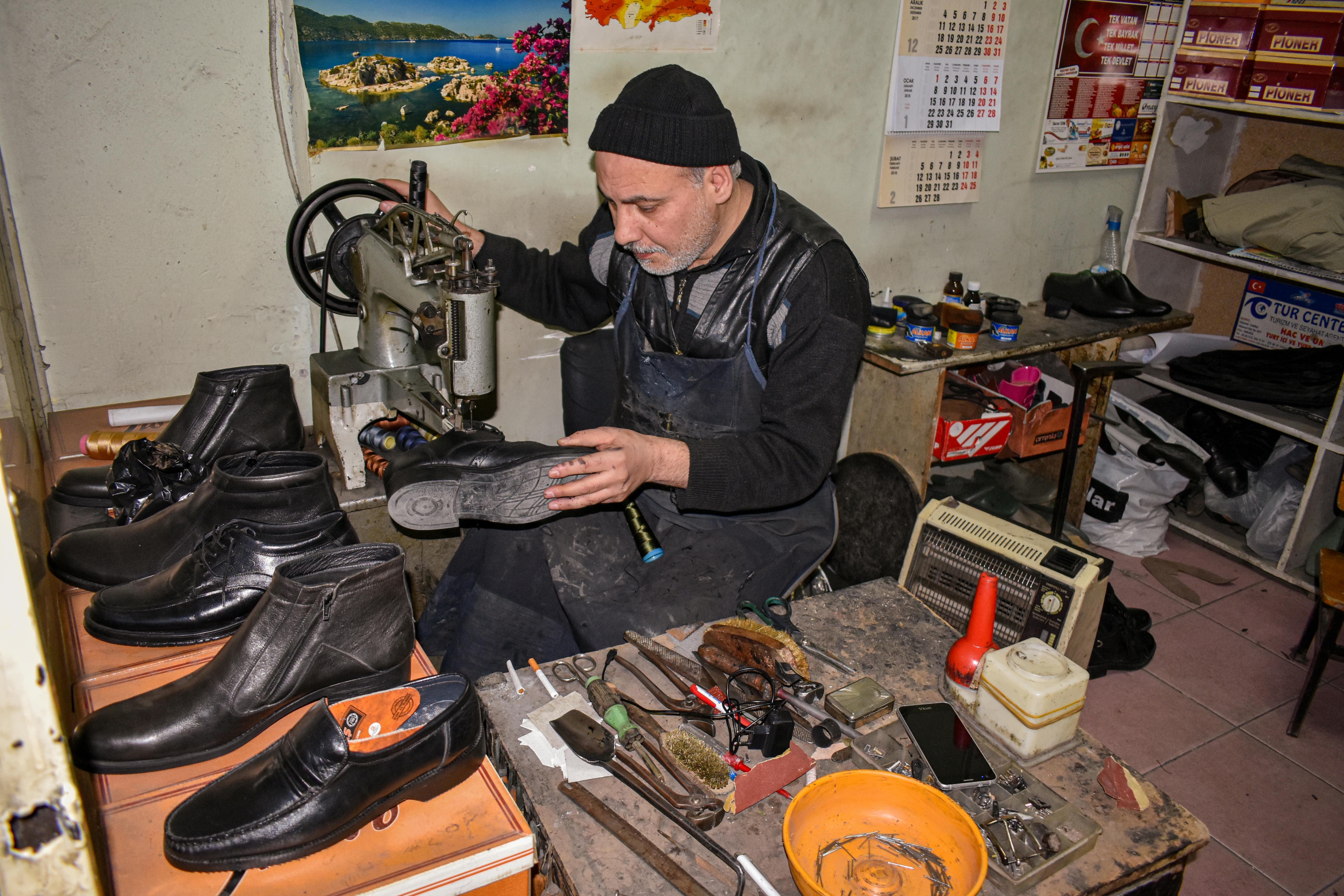
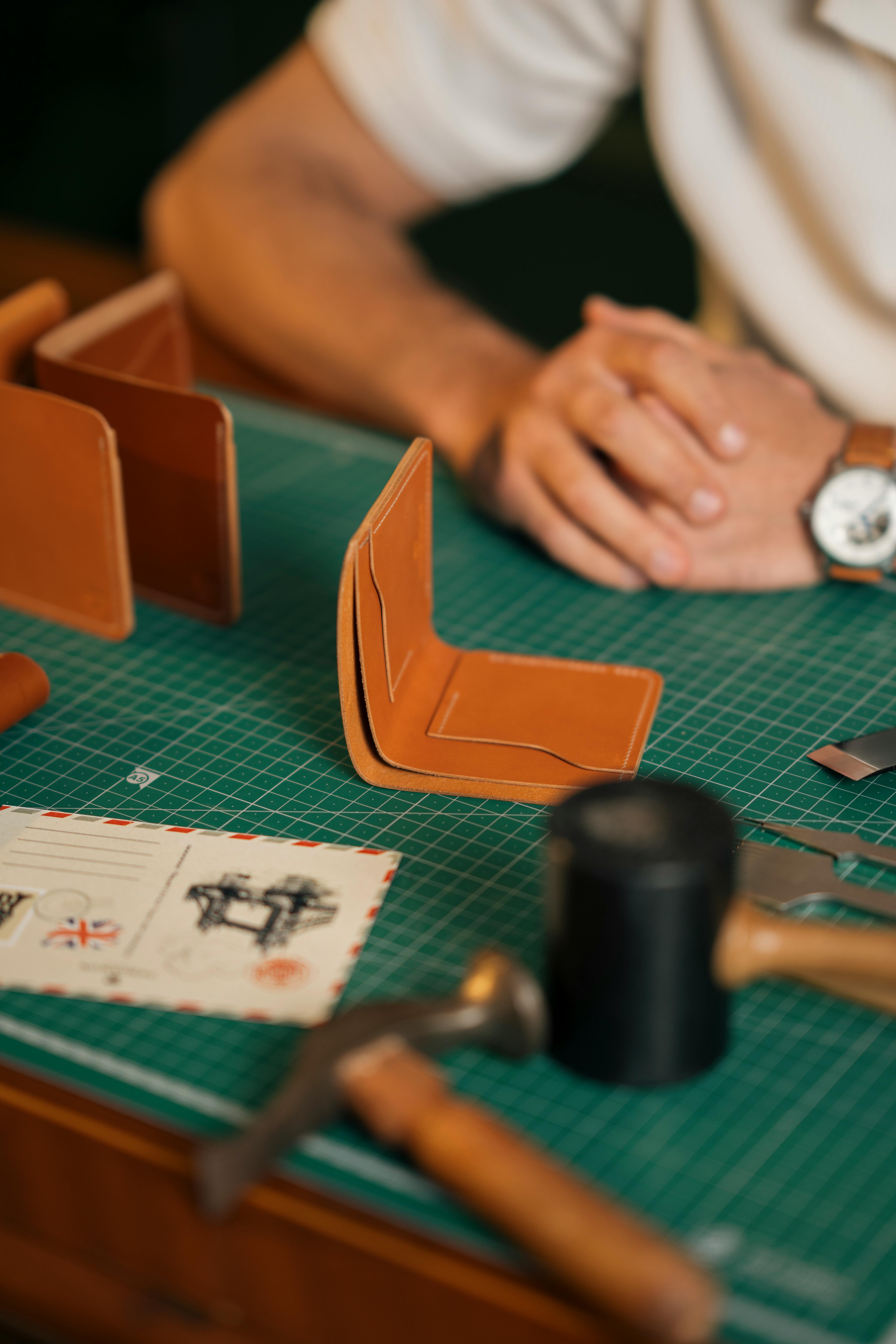
For leather craft projects specifically: joining a leather panel to a felt or fabric backing still calls for Textile Glue, since it's formulated for leather alongside fabric and felt. Leather-to-leather joins on thicker, structural pieces like bag bases tend to do better with Contact Glue Liquid, which is built for exactly that kind of surface bonding.
Quick FAQ
Is UHU glue good for fabric that needs to go through the wash?
Yes. Once UHU Textile Glue has fully cured, the bond is washable up to 90C and safe to dry-clean, so it holds up to normal laundering, not just a gentle hand wash.
Can UHU glue be used on rubber?
Yes, with UHU Contact Glue Liquid rather than Textile Glue. It's suited to rubber, shoe soles, bags, toys and carpets, and it's moisture and frost proof across a wide temperature range.
Can I use UHU glue for a small scuff on a shoe upper, not the sole?
If the upper is fabric or leather and the fix isn't load-bearing, Textile Glue can handle it. Once rubber, soles, or anything structural is involved, switch to Contact Glue Liquid.
Whether it's a hem that's come down, a bag lining that's torn, or a sole that's starting to flap, picking the right adhesive from the start saves you from redoing the job a week later. Have a look at the full UHU glue collection for both products side by side, or go straight to UHU Textile Glue 19ml for fabric, felt and leather, and UHU Contact Glue Liquid 33ml for soles, rubber and bags.
