


If you have ever stood trying to work out whether one bucket of jointing compound will be enough, you are not alone. It is one of the most common questions we get asked, and the honest answer is that it depends on your patio, not on a single number that works for everyone. This guide explains why coverage varies so much from job to job, how to work through your own estimate, and how to avoid the two most common mistakes: running short halfway through, or overspending on far more than the job needs.
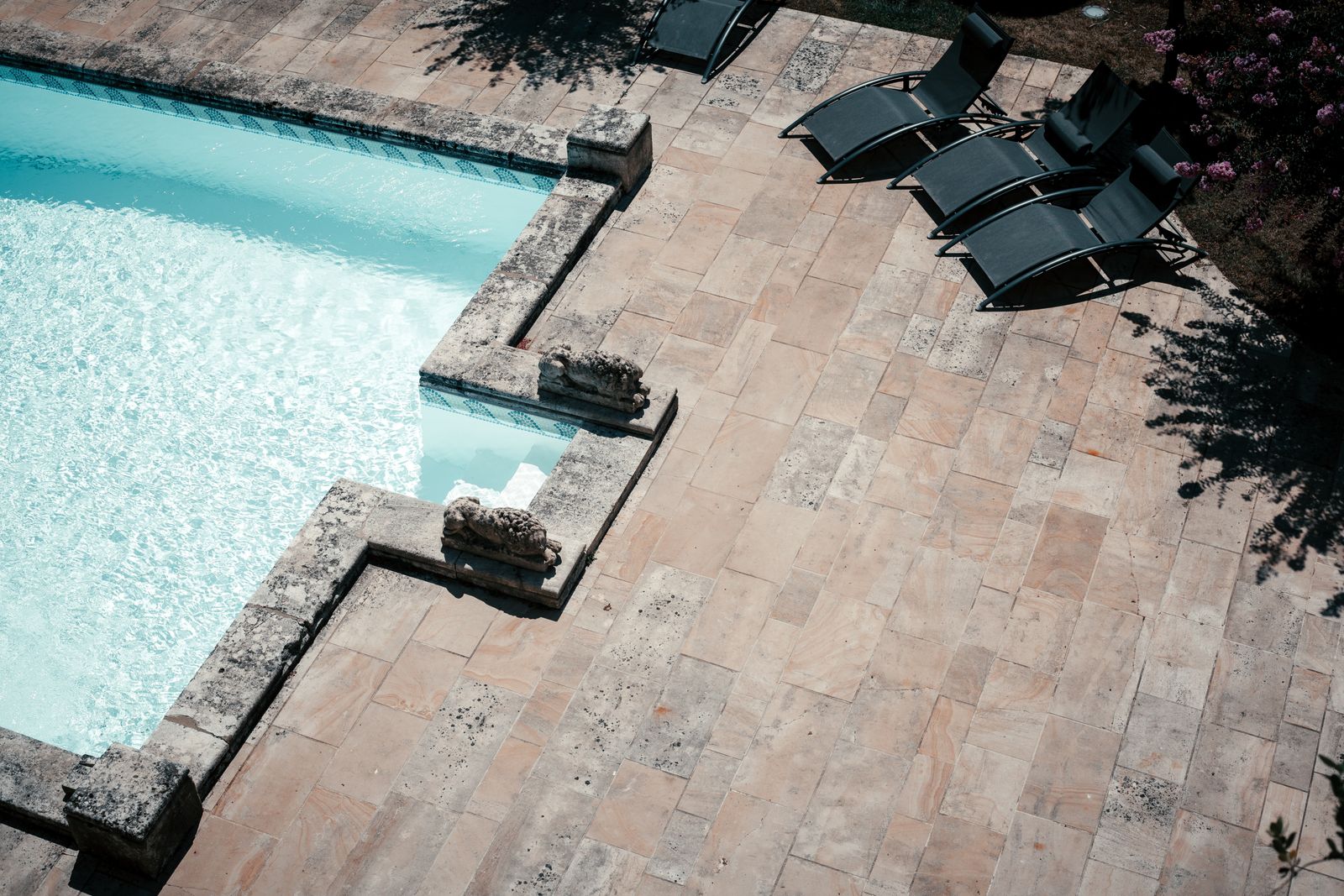
Why Jointing Compound Coverage Varies So Much
There is no single figure that tells you how far a bag of paving jointing compound will go, because four things change from patio to patio and even from area to area within the same patio.
- Joint width. A patio laid with tight, narrow joints will use noticeably less patio joint mortar than one with wide, gappy joints between irregular slabs.
- Joint depth. Deeper joints, which are common where slabs are thicker or where a sub base has settled slightly, simply hold more material than shallow joints.
- Slab size. Larger slabs mean fewer joints per square metre, while smaller units such as block paving or cobbles have a much higher proportion of joint to paving, so they drink up far more compound for the same overall area.
- Total paving area. This sounds obvious, but it is easy to underestimate once you add up a patio, a path, and a small area around a shed or bin store.
Put those four factors together and you can see why two patios of exactly the same square metreage can need very different amounts of jointing compound. This is why we would rather help you understand the logic than give you a made up figure that may not apply to your project.
How to Estimate How Much You Need
Working out a jointing compound patio quantity does not need to be complicated. It comes down to three simple steps: measure your total area, be honest about your joint width and depth, and match the pack size to the scale of the job.
Start With Your Total Paving Area
Before anything else, work out the total area you are jointing in square metres. Measure the length and width of each section of paving, multiply them together, and add the sections up. If your patio is an awkward shape, break it into simple rectangles and triangles and total them separately rather than trying to eyeball the whole thing at once.
Think About Your Joint Width and Depth
Once you know your area, think honestly about your joints. Narrower, tighter joints use less paving jointing compound than wide, gappy ones, so a neatly laid patio with consistent 5 to 8mm joints will need less product than an older or more rustic layout with wider, uneven gaps. If you are not sure, measure a few joints in different parts of the patio with a tape measure rather than guessing from memory, since joint width often varies more than people expect across a single patio.

Bigger Jobs vs Smaller Feature Areas
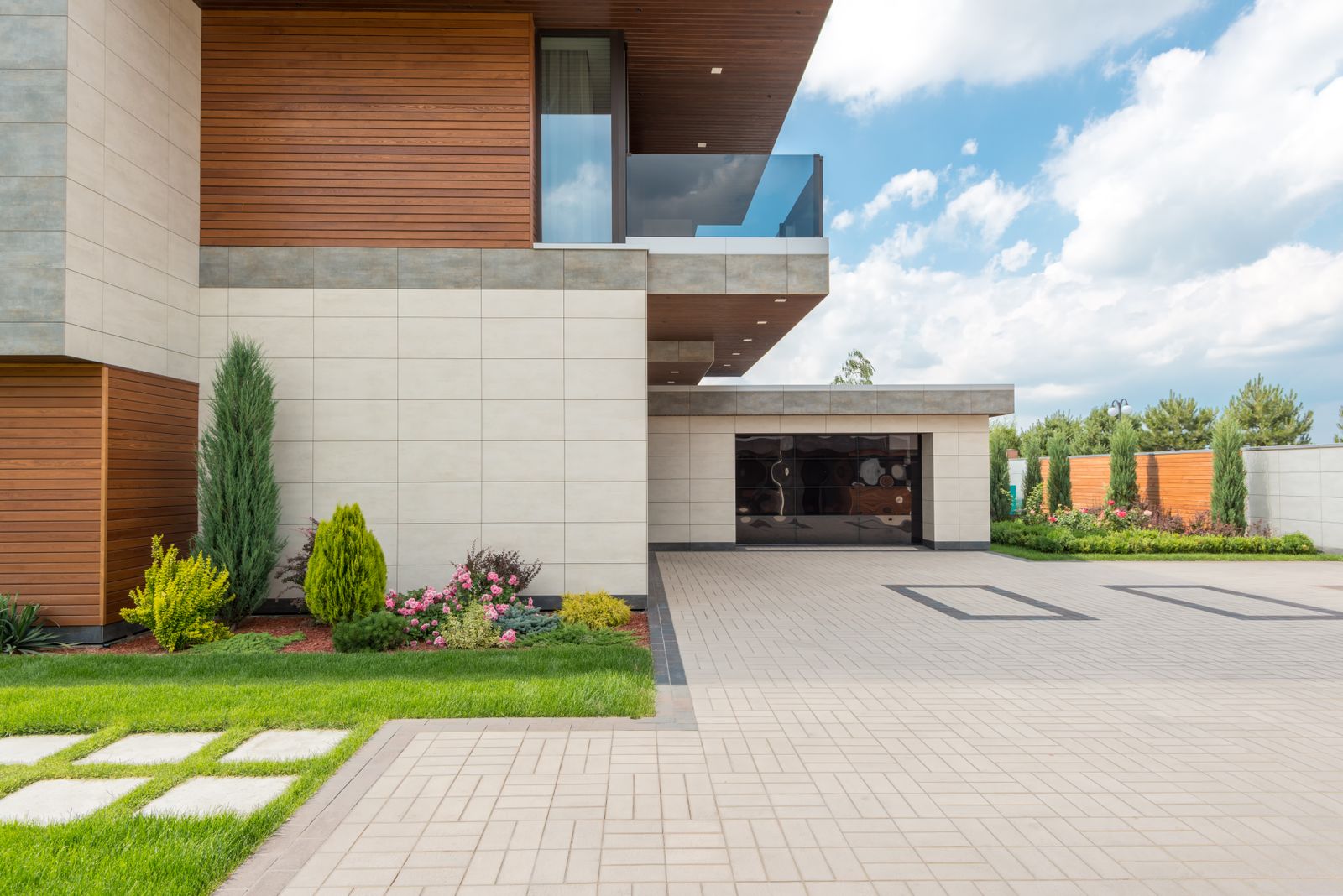
As a general rule of thumb, larger jobs tend to suit the bigger 20kg buckets, simply because they are the more economical way to buy in volume and you are less likely to run out partway through a full patio or driveway. Something like Joint-It Simple Grey or Joint-It Simple Black is a sensible starting point if you are jointing a full patio, a driveway, or another large area, because both are supplied in 20kg buckets designed with bigger coverage in mind.
Smaller or feature areas, such as a garden path, a step, a small courtyard, or a repair job, often suit a smaller tub better, since you are less likely to use up a full 20kg bucket and more likely to want a size that matches the job in front of you. Joint-It Elite Fawn, supplied in a 12.5kg tub, is a good example of a size built for exactly that kind of smaller or more targeted application.
Always Check the Pack for Exact Coverage Guidance
We are deliberately not going to give you a single "X kg covers Y square metres" number in this article, and that is not us being vague for the sake of it. Coverage genuinely varies by product, by pack size, and by the joint width and depth you are working with, so the only reliable figure is the one printed on the pack of the specific product you are buying. Before you order, check that guidance on the product itself, and use it alongside your own measurements of joint width and depth to judge how many buckets or tubs you are likely to need. If you have any doubt, our full Joint-It range is worth browsing so you can compare pack sizes and product details side by side before you commit.
Buying a Bit Extra vs Running Short Mid-Job
One of the most practical pieces of advice we can give is to buy a little more than your minimum estimate rather than cutting it fine. Running out halfway across a patio means pausing, ordering more, waiting for it to arrive, and then applying a second batch alongside the first. Even from the same manufacturer, batches can vary very slightly in shade, and a visible line where an old batch meets a new one is far more noticeable on jointing than on most other parts of a patio, simply because the joints run continuously across the whole surface.
Buying a bit extra costs comparatively little and gives you a safety margin for wastage and those extra few metres you forgot to measure. Running short costs time, hassle, and a colour matching risk that is genuinely hard to fix once the first batch has cured. If you are unsure whether to round up or down, round up.
Practical Tips for Measuring Your Patio Before Ordering
- Measure in sections. Break an irregular patio into rectangles or triangles, measure each one, and add the areas together.
- Round up slightly. Measuring errors are easy to make on an uneven surface, so a little rounding up protects you from underestimating.
- Check joint width in more than one spot. Joints are not always consistent across a patio, so take a few sample measurements rather than relying on one reading.
- Note any unusually wide or deep joints separately. Factor that section in on its own rather than averaging it out across the whole area.
- Write your measurements down. Having your area, joint width, and joint depth noted makes it easier to check the coverage guidance on a pack.
Frequently Asked Questions
Is it better to buy extra jointing compound or risk running short?
It is almost always better to buy a bit extra. Running short mid-job means pausing the work, ordering a second batch, and applying it alongside the first, and even the same product can vary slightly in shade between batches. A modest surplus is a small cost compared with the colour matching risk of finishing a patio with two different batches side by side.
Does joint width affect how much compound I need?
Yes, significantly. Wider, gappy joints hold more paving jointing compound than narrow, tight ones, and joint depth has a similar effect. Two patios of the same total area can need quite different quantities simply because of how wide and how deep their joints are, so it is worth measuring your actual joints rather than assuming a standard width.
How do I measure my patio for jointing compound?
Break your patio into simple rectangular or triangular sections, measure the length and width of each, and add the areas together to get your total square metreage. Then take a few sample measurements of joint width and depth in different parts of the patio, since this can vary across the surface. Use those figures alongside the coverage guidance on the specific pack you are buying to judge how much you need.
Should I use one big bucket or a couple of smaller tubs?
It depends on the job. For a full patio or driveway, a larger 20kg bucket such as Joint-It Simple Grey or Joint-It Simple Black is generally the more practical choice. For a smaller feature area, a path, or a repair, a smaller tub such as the 12.5kg Joint-It Elite Fawn is often a better match, since you are less likely to be left with unused product.
Getting your joint compound paving quantities right starts with an honest look at your area, your joint width, and your joint depth, then checking the coverage guidance on the exact product you plan to use. Browse the full Joint-It collection to compare pack sizes and find the right fit for your patio, driveway, or garden project.
