


Anyone who has tried to plan a UK patio project around the weather knows the problem. You book a weekend, get the sand and slabs delivered, and the forecast changes its mind before Friday. Traditional pointing methods often demand a dry window of 24 to 48 hours before you even start, and another dry stretch afterwards while everything sets. In a country where a genuinely settled week is rare between March and October, that requirement alone can push a project back by months.
This is one of the most common frustrations we hear from patio owners researching patio jointing compounds, and it is exactly the problem Joint-It was designed to solve. Below, we explain how a wet or dry jointing compound changes the practical reality of laying a patio in the UK, what "water permeable" actually means once the joints are down, and how the finished surface stands up to weeds, frost and the garden hose or power washer over the years that follow.
The Problem With "Wait For A Dry Weekend"
Traditional sand and cement pointing is fussy about moisture. Lay it too wet and it can wash out of the joints before it sets. Lay it in a shower and you risk staining the slabs or getting an uneven, patchy finish. So the advice has always been the same: wait for a dry forecast, ideally several dry days in a row, and hope nothing changes overnight.
For most UK homeowners, that is simply not realistic. Weekends off work do not always line up with a run of sunshine, and tradespeople booked for a fixed date cannot keep rescheduling around the Met Office. The result is either a rushed job squeezed into a narrow dry gap, or a project that drags on for weeks.
Wet Or Dry, Joint-It Doesn't Mind
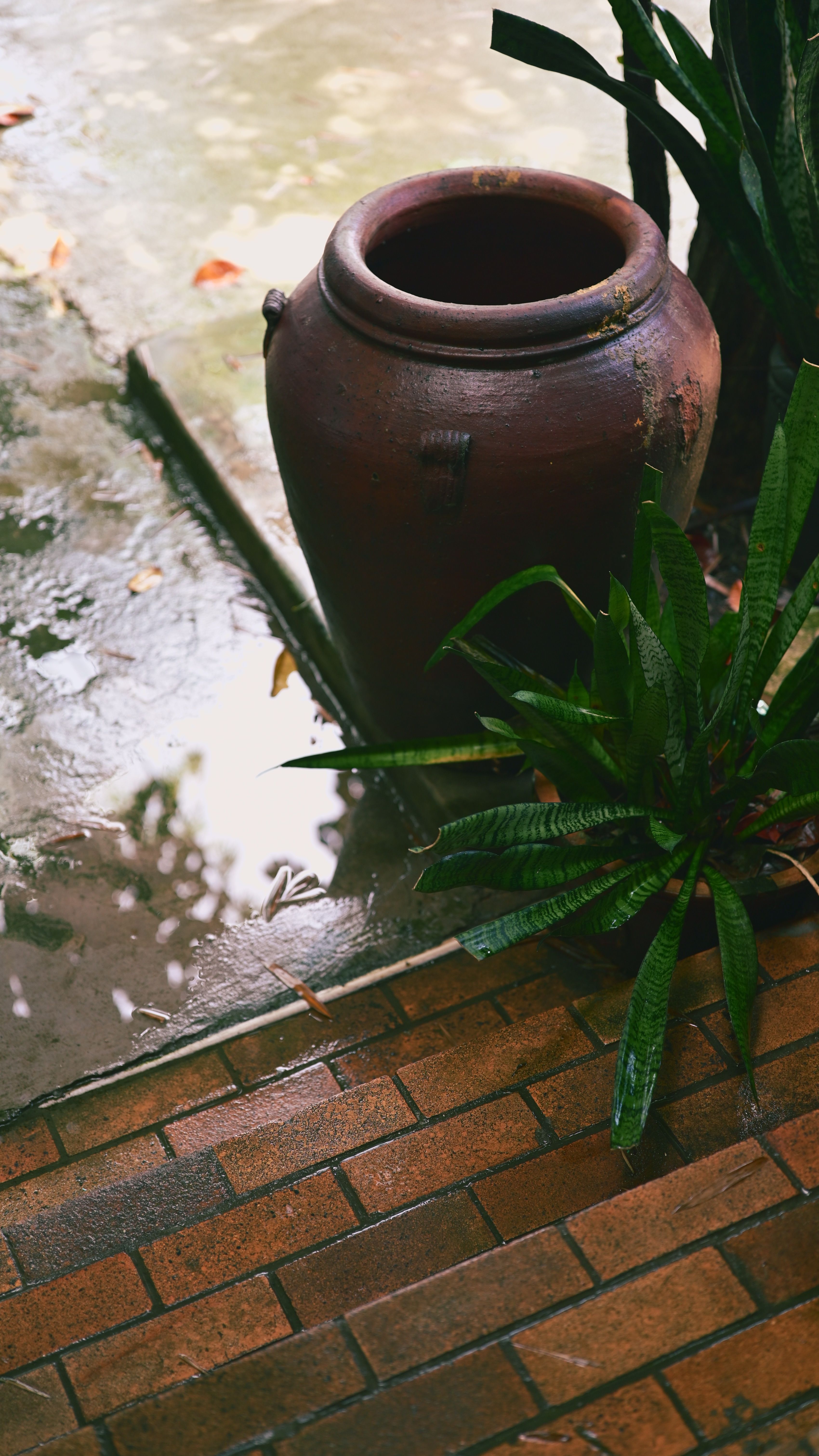
This is where Joint-It stands apart from many traditional pointing methods. Both the Joint-It Simple range and the Joint-It Elite range can be applied in wet or dry weather. There is no need to check the forecast, no requirement to wait for a dry spell, and no panic if a shower rolls in while you are halfway through brushing the compound into the joints.
The reason this works is that Joint-It is air curing. It does not rely on a chemical activator or a specific moisture level to trigger setting. Instead, the compound simply cures through normal exposure to air over the following days. Rain does not wash it out and it does not need to be kept dry to work properly. That single feature removes the biggest scheduling headache from a patio project and means you can lay a jointing compound like Joint-It Simple Black on a damp Tuesday evening just as confidently as on a dry Saturday afternoon.
For anyone planning a full patio refresh, this also means the compound can go down as soon as the paving is laid, rather than sitting exposed while the joints wait for a suitable window. Fewer delays generally mean a tidier, more consistent finish.
What Water Permeable Actually Means For Your Patio
A common worry with any jointing compound is drainage. If the joints are sealed solid, where does the rain go? Joint-It is a water permeable formulation, which means rainwater passes through the joints and into the ground beneath rather than sitting on top of the paving or pooling in low spots.
In practical terms, this matters for two reasons. First, it reduces the standing water and puddles that can make a patio slippery after a downpour. Second, it supports proper drainage below the surface, which fits current guidance around sustainable drainage for hard landscaping. A patio that lets water drain naturally through the joints, instead of relying entirely on surface falls and gullies, is generally a more resilient surface during the heavier, more frequent downpours that have become typical of UK weather.
Weeds And Moss: Why Traditional Sand Joints Struggle
Anyone who has owned a paved patio for more than a couple of summers will recognise the problem. Loose sand joints are an open invitation to weeds. Windblown seeds land in the gaps, find enough moisture and organic material to germinate, and within a season you are on your knees with a scraper trying to keep the joints clear. Moss follows a similar pattern, especially in shaded or damp corners of the garden.
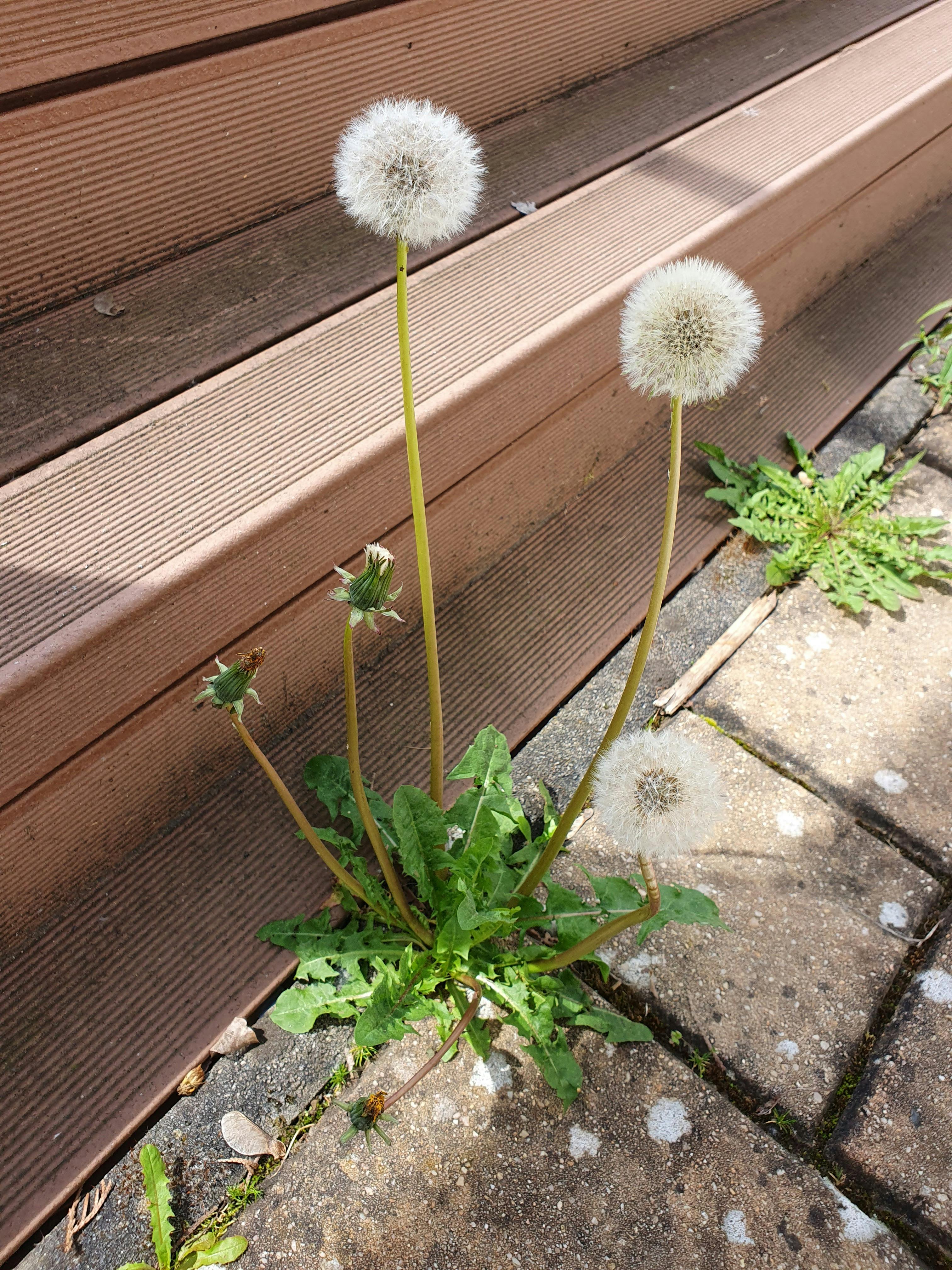
Once fully cured, Joint-It forms a firm, compacted surface within the joint that gives weeds nothing to root into. There is no loose, friable material sitting between the slabs waiting to become a seed bed. Rather than spending a weekend every spring re-sanding and treating joints, a properly applied jointing compound is designed to stay weed resistant for years, not months. Ranges like Joint-It Elite Fawn and Joint-It Elite Dove Grey are built for exactly this kind of low maintenance performance.
Frost Resistance Through UK Winters
UK winters are hard on outdoor surfaces, not because of extreme cold, but because of how often the temperature crosses back and forth over freezing. Water that gets into a joint, expands as it freezes, and thaws again the next day puts real strain on whatever is holding those joints together. Repeat that freeze thaw cycle dozens of times and traditional mortar joints can crack, crumble or lift, sometimes dislodging the edges of the slabs themselves.
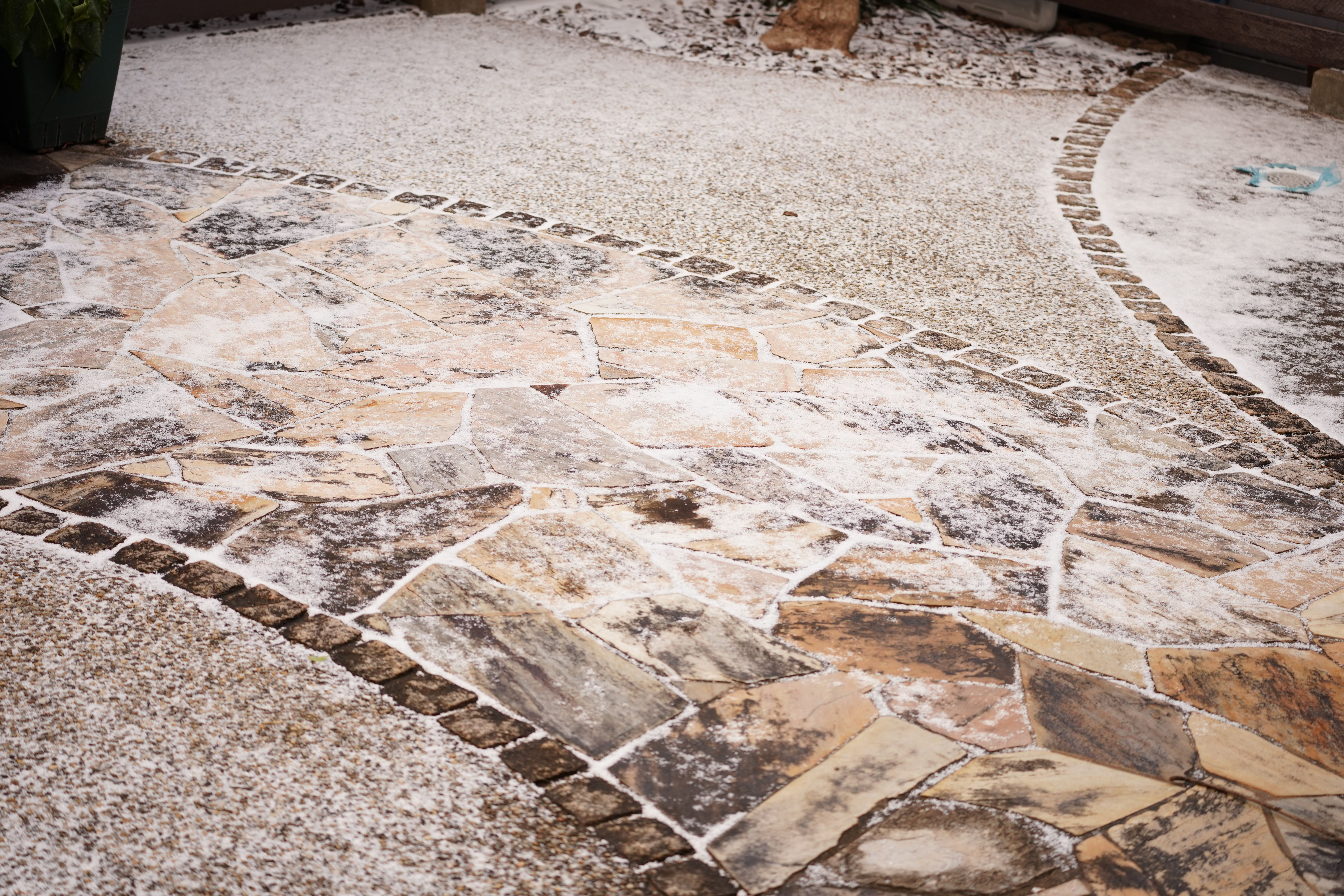
Once cured, Joint-It is frost resistant, so it is built to withstand exactly this kind of seasonal stress. Because the compound is also water permeable, less water sits trapped in the joint in the first place, which further reduces the pressure that freeze thaw cycles put on the surface. That combination is a large part of why patios finished with Joint-It tend to look the same in March as they did the previous October.
Cleaning Your Patio: Power-Washer Resistance Explained
A lot of homeowners hesitate to reach for the power washer on a jointed patio, worried that the force of the water will blast the joints out and leave them redoing the pointing every spring. That worry is entirely reasonable with looser jointing methods, where a direct blast from a pressure washer nozzle can strip out sand in seconds.

Once fully cured, Joint-It is resistant to power washing, so the patio can be cleaned the way most people actually clean a patio, with a hose, a stiff brush, or a pressure washer on a normal domestic setting, without the joints coming loose or washing away. It is designed to hold up to ordinary garden maintenance for years, which is really the whole point of choosing a proper jointing compound over loose sand.
Choosing The Right Joint-It Product
The Joint-It range covers most common needs. Joint-It Simple Black is a straightforward, dependable option for a classic dark finish, while the Elite range, including Joint-It Elite Fawn and Joint-It Elite Dove Grey, offers a wider choice of tones. Browse the full range in the Joint-It collection to find the colour and pack size that suits your project.
Frequently Asked Questions
Do I need to wait for dry weather to lay jointing compound?
No. Joint-It can be applied in wet or dry weather, which is one of the main advantages over traditional pointing compound methods that require a dry forecast before and after application. Because it is air curing rather than reliant on a specific moisture level, rain does not stop the job or wash the compound out of the joints.
Will jointing compound crack in winter frost?
Once fully cured, Joint-It is frost resistant and designed to cope with the freeze thaw cycles typical of a UK winter. Its water permeable structure also means less water sits trapped in the joints to freeze in the first place, which reduces the strain that causes traditional mortar joints to crack.
Can I pressure wash a patio jointed with Joint-It?
Yes. Once cured, Joint-It is resistant to power washing, so you can clean the patio with a hose or a pressure washer on a normal setting without stripping the joints out. This is a common concern with looser, sand based jointing, but it is not an issue once Joint-It has fully set.
Why do weeds keep coming back in my existing patio joints?
Loose sand joints give weed seeds an easy place to root and enough organic material to grow. A cured jointing compound like Joint-It forms a firm, compacted joint that does not offer weeds the same foothold, which is why patios rejointed with it tend to need far less ongoing weeding than those finished with traditional sand.
Laying or replacing patio joints does not have to be a race against the weather. With a dry jointing compound designed for wet or dry application, water permeable drainage, frost resistance and power washer durability, Joint-It takes the guesswork out of timing the job and the maintenance out of the years that follow. Browse the full Joint It collection to find the right product for your patio.
