

Ask most people what makes a patio look good for years rather than months, and they will point straight at the jointing compound. It is the visible finish, after all, the grey or graphite lines that run between every slab. But a jointing compound like Joint-It Simple or Joint-It Elite is only one part of a longer process. What happens before the slabs go down, and what happens after the joints have cured, both play a real role in how the finished patio looks and how long it lasts. This is where two supporting products, Joint-It Slurry Primer and Joint-It Pro Seal, come in. They sit at opposite ends of the installation timeline, one goes down first, the other goes on last, and understanding what each one does helps you avoid problems that no amount of good jointing compound can fix later.

The Full Patio Installation Timeline
It helps to picture the whole job from start to finish, because primer and sealer only make sense once you see where they sit in that sequence.
- Step 1, prime the base. Before a single slab is laid, a priming slurry such as Joint-It Slurry Primer is mixed with water and applied to the concrete base or the underside of the slab itself, depending on method, to improve adhesion.
- Step 2, lay the slabs. The paving is bedded onto the primed, prepared base and set to level.
- Step 3, joint the paving. Once the slabs are laid and stable, a jointing compound such as Joint-It Elite Midnight or Joint-It Simple is brushed and worked into the joints to lock the paving together and stop weed growth.
- Step 4, seal the patio (optional). After the jointing compound has fully cured, a paving sealer such as Joint-It Pro Seal can be applied to protect the surface and the joints from staining, moss and lichen.
Skipping the first step or rushing the last one is rarely obvious on day one. It is months later, when a slab sounds hollow underfoot or a light coloured patio picks up dark patches after every rainy week, that the missing step becomes clear.
Slurry Primer: Why You Should Prime the Base Before Laying Paving Slabs
Joint-It Slurry Primer is a priming slurry that comes in a 17kg bucket and is mixed with water only, so there is no need to buy or measure any additional bonding agents. It is used at the bedding stage of a patio installation, which means it goes down before the paving slabs are laid, not afterwards.
The purpose of the primer is straightforward. Over time, paving slabs can start to debond from the concrete base beneath them, especially in areas that see heavy footfall, vehicle weight, or repeated freeze thaw cycles through the colder months. Once that bond weakens, slabs can rock, crack, or lift at the edges. Joint-It Slurry Primer is designed to create a strong adhesive layer between the slab and the base, reducing the risk of debonding and giving the patio a more solid, long term foundation. It is suitable for both internal and external applications, so it is just as relevant for a hallway or utility floor as it is for an outdoor patio or path.
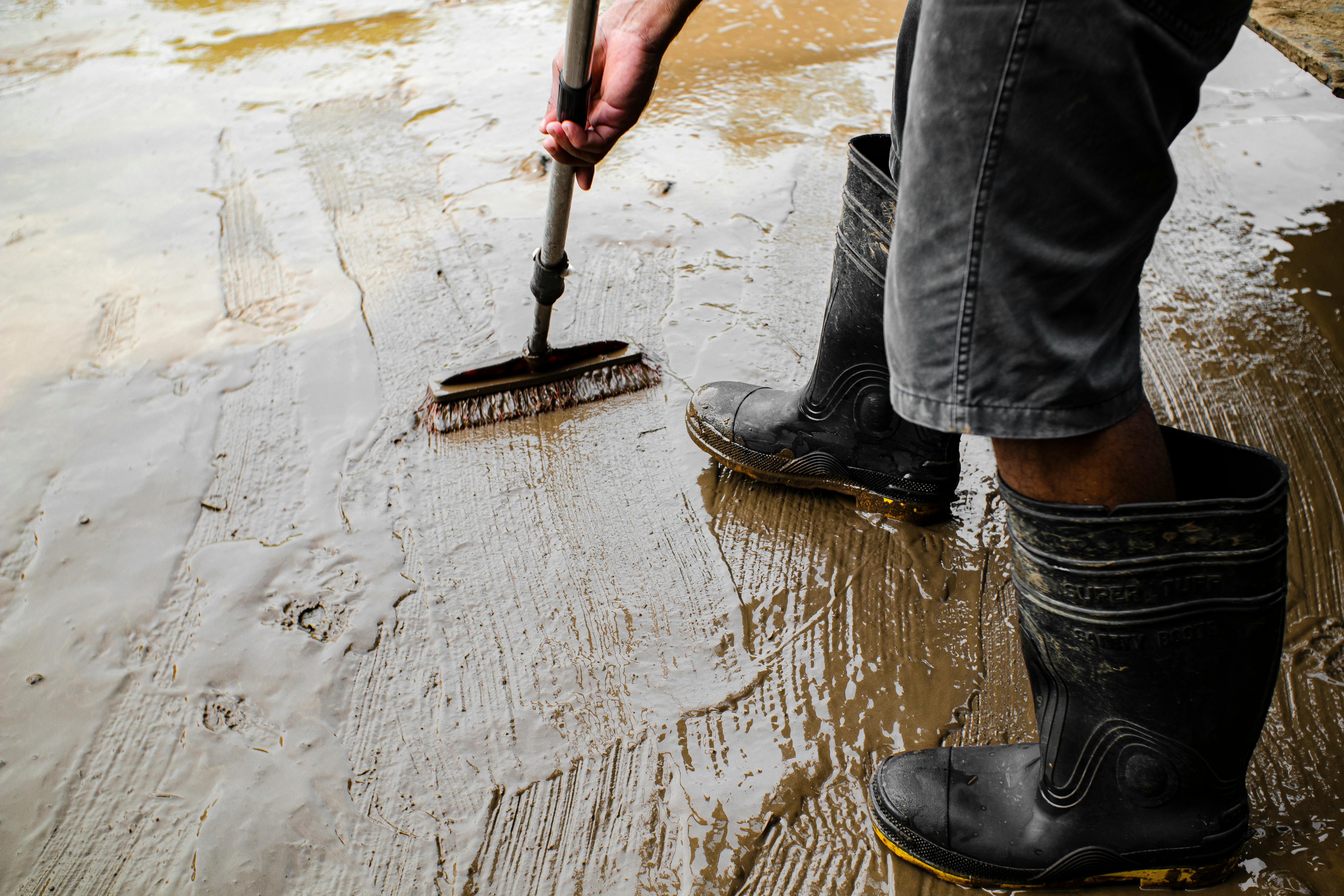
If you are laying a new patio from scratch, or relaying an existing one after lifting old slabs, this is the point in the job where a priming slurry earns its keep. It is a small step to add into the process, but it addresses a problem that is genuinely difficult to fix once the paving is down and jointed. You can find Joint-It Slurry Primer, along with the full range of jointing and paving products, in the Joint-It collection.
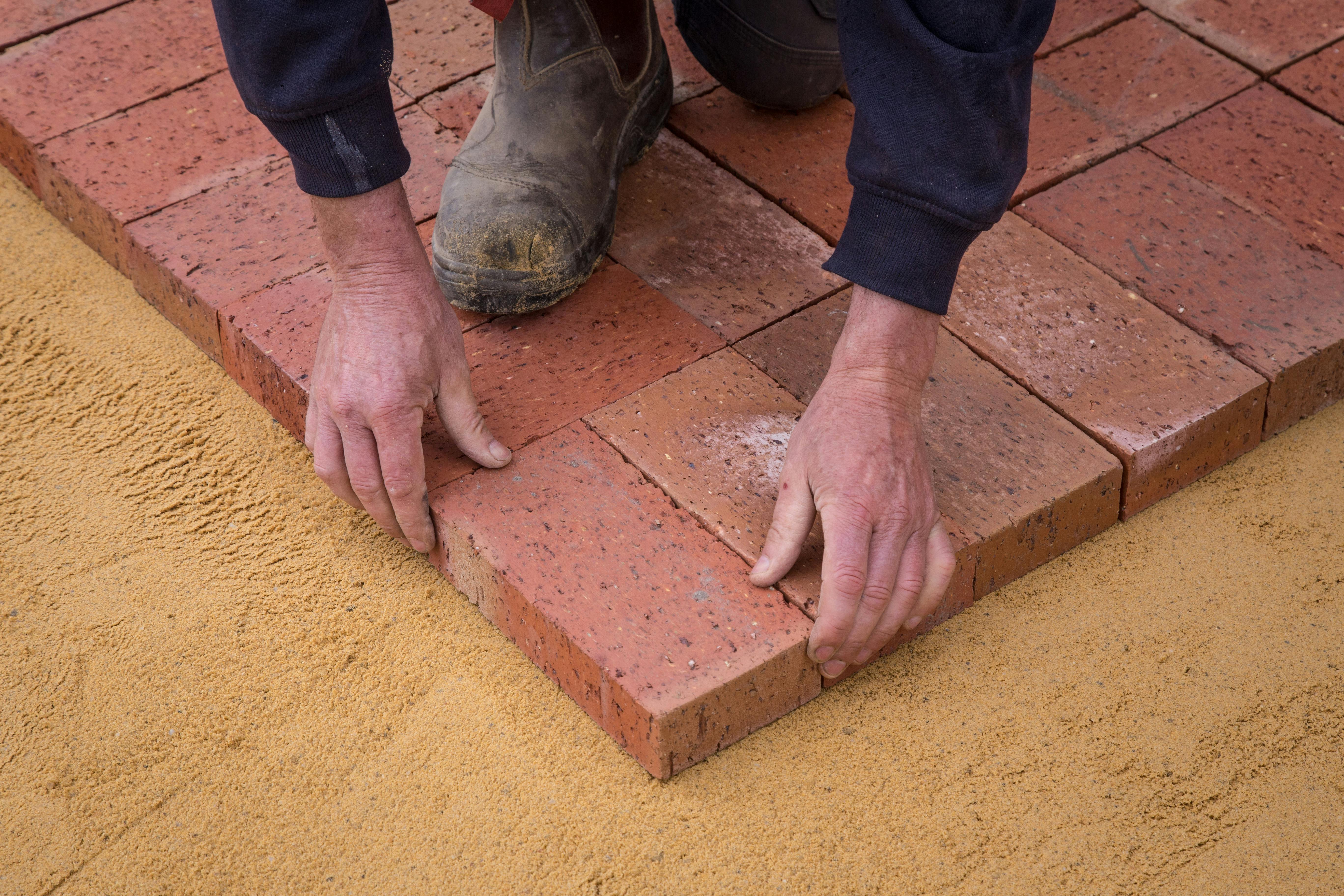
A quick note on jointing compound
Once the base is primed and the slabs are laid and settled, jointing compound fills the gaps and locks everything together. A polymeric jointing compound like Joint-It Elite Midnight is brushed into dry joints, then compacted and activated with water, curing into a firm, weed resistant joint. This is the step most people picture when they think of a patio project, but it works best when the base beneath it has already been properly primed.
Pro Seal: Protecting Your Patio Once Jointing Has Cured
Joint-It Pro Seal is a ready to use paving sealer supplied in a 1 litre pack. Unlike the primer, used right at the start of the job, Pro Seal is applied at the very end, after the jointing compound has fully cured. Applying a sealer too early, before the joints have properly set, can trap moisture and interfere with curing, so patience at this stage matters.
Once the jointing has cured, Pro Seal gives the paving a stain resistant, quick drying finish. It sits on and slightly into the surface of the paving and the joints, helping to repel the things that most commonly spoil the look of a patio over a summer of use, spilled drinks, barbecue grease, muddy footprints, algae and general weathering. It also helps discourage moss and lichen from establishing in the joints and on the surface of the stone, which is often what makes an older patio look tired even when the paving itself is in good condition.
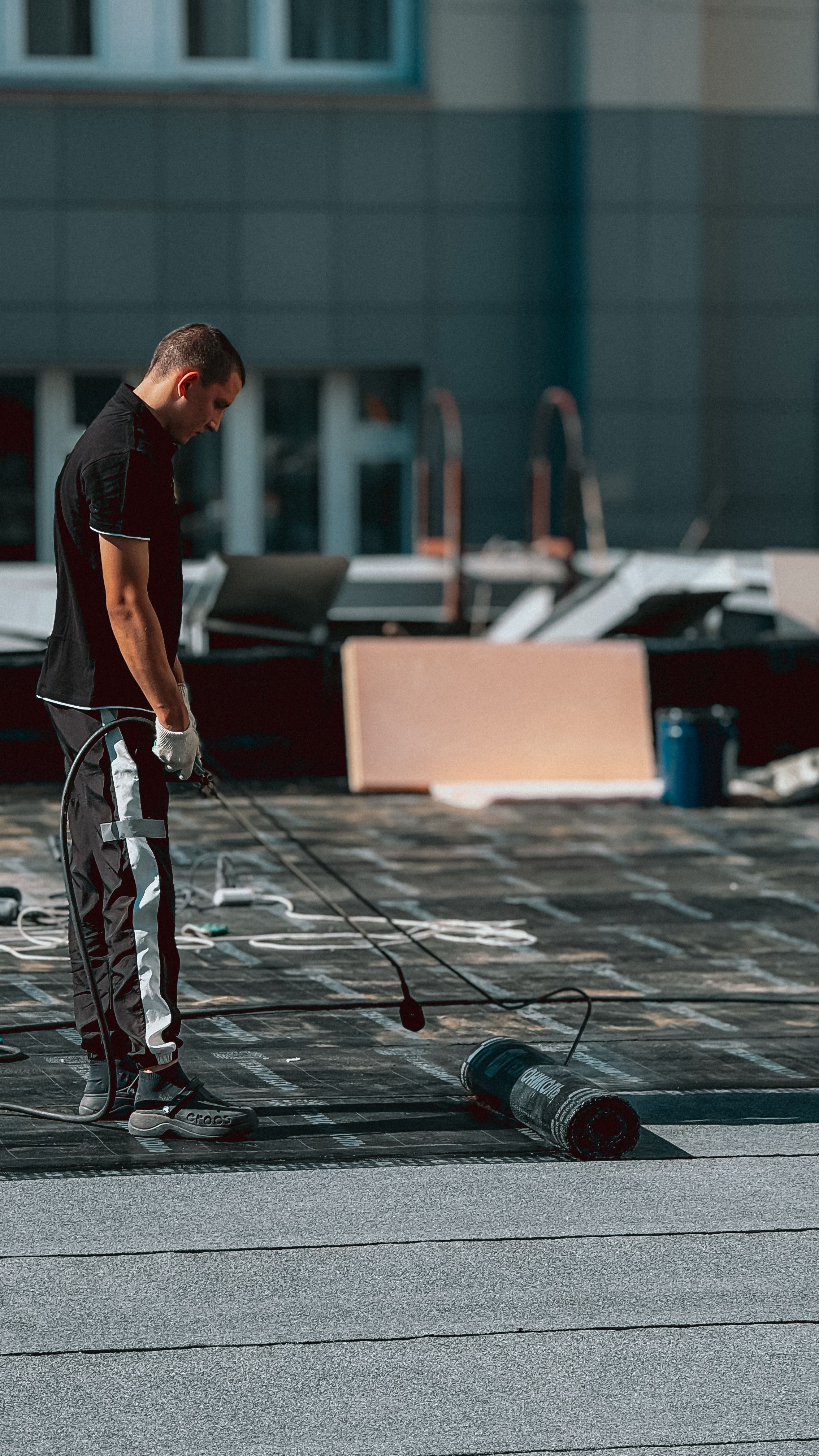
Pro Seal is not limited to patios either. Because it is suitable for patios, paths, roof tiles and walls, it is worth keeping around for more than just the paving job, whether that is refreshing a path that has gone green over winter or protecting roof tiles from the same moss and lichen growth. You can find Joint-It Pro Seal alongside the rest of the range in the Joint-It collection.
Is Sealing Your Patio Necessary?
Sealing is optional, not compulsory, and plenty of patios get by perfectly well without it, particularly darker paving that hides staining and general wear more easily. Where a sealer like Pro Seal earns its place is on lighter coloured paving, buff, cream, light grey and similar shades, which show every oil spot, leaf stain and patch of algae far more readily than a darker stone would. On this type of paving, a coat of sealer applied once the jointing compound has cured can keep the patio looking freshly laid for considerably longer, and it makes routine cleaning easier too, since dirt and staining sit on top of the sealed surface rather than soaking into the stone.
So while you do not need Pro Seal to have a functional, well jointed patio, it is worth considering as the final, protective step once everything else, priming, laying and jointing, is complete.
Frequently Asked Questions
Do I need to prime before laying paving slabs?
It is not always a legal requirement of the job, but it is strongly recommended, especially where slabs are being bedded directly onto a concrete base. A priming slurry such as Joint-It Slurry Primer improves the bond between the slab and the base, which reduces the risk of slabs debonding, rocking or cracking later on. Skipping this step does not always cause immediate problems, but it removes a layer of protection that is very hard to add back in once the paving is down.
How soon after jointing can I seal my patio?
You should always wait until the jointing compound has fully cured before applying a sealer such as Pro Seal. Curing times vary depending on the jointing compound used, weather conditions and how much foot traffic the joints have had, so it is worth checking the guidance for the specific product rather than working to a fixed number of days. Sealing over joints that have not fully cured can trap moisture underneath the surface and affect the finish.
Does sealing a patio stop weeds and moss?
A good jointing compound is your main defence against weeds growing up through the joints, since it fills and compacts the gaps between slabs. Sealing plays a supporting role, it helps repel moss and lichen from establishing on the surface and in the joints, keeping the patio looking cleaner for longer, but it works alongside a properly jointed patio rather than replacing the need for jointing compound.
Can I use Slurry Primer and Pro Seal on the same patio?
Yes, and used together at the correct stages they cover the whole installation from start to finish. Slurry Primer goes down first, before the slabs are laid, to bond the paving to the base. Pro Seal goes on last, once the jointing compound has fully cured, to protect the finished surface. They do not overlap in application, each is doing a different job at a different point in the process.
A patio that looks good for years is rarely the result of one product doing all the work. It is the combination of a properly primed base, well laid slabs, a solid jointing compound and, where the paving calls for it, a protective seal once everything has cured. Browse the full range, including Slurry Primer, Pro Seal and jointing compounds like Joint-It Elite Midnight, in the Joint-It collection.
