


Porcelain paving has become the default choice for new patios across the UK, and it is easy to see why. It is hard wearing, low maintenance, and available in a huge range of finishes that mimic natural stone without the upkeep. But porcelain behaves very differently to sandstone, concrete, or block paving at the jointing stage, and choosing the wrong compound is one of the most common mistakes homeowners and installers make. This guide explains why porcelain needs a specific type of jointing compound, and how a resin based product like Joint It performs where traditional grouts and mortars often fall short.
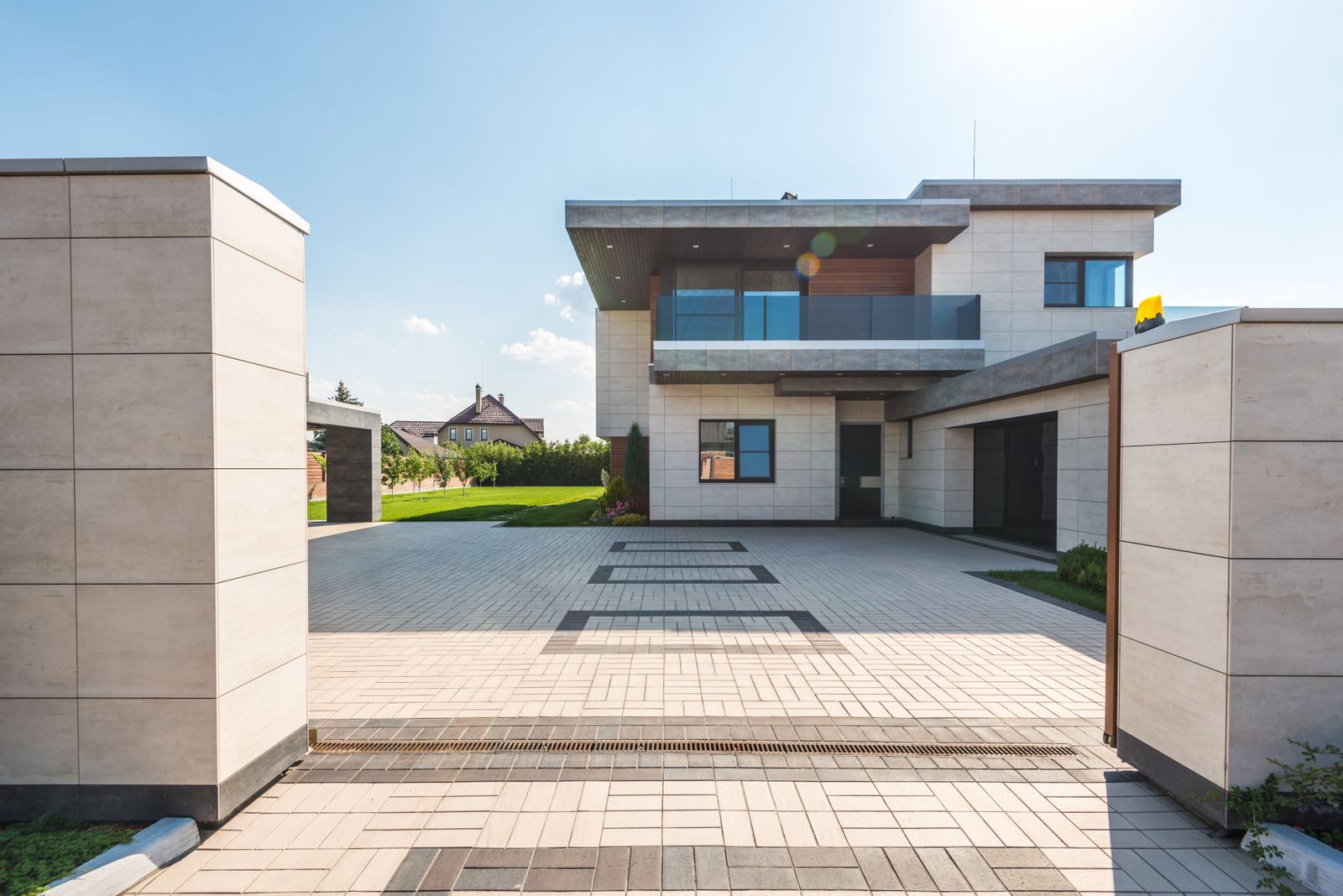
Why Porcelain Paving Needs a Specific Type of Jointing Compound
Porcelain is manufactured under extreme heat and pressure, which gives it a very low porosity compared with natural stone or concrete paving. That density is exactly why people choose it, it resists staining, frost damage, and algae growth far better than more absorbent materials. The trade off is that traditional cementitious grouts and sand and cement slurry mixes rely on the paving slab absorbing some moisture to help the mix cure and key into the joint. Porcelain simply will not do that.
Using a traditional grout or mortar on porcelain often produces a joint that never fully bonds, that cracks or washes out after the first heavy rain, and that leaves a hazy cement residue baked onto the slab surface. Because porcelain will not absorb the compound, everything depends on a mechanical and chemical bond forming at the surface of the joint, which is exactly what a resin based paving resin is designed to do. A two part epoxy jointing compound cures through a chemical reaction rather than by drying out, so it does not need an absorbent slab to perform. This is why porcelain paving and resin jointing go hand in hand, and why a joint it porcelain epoxy grout product is the safer, more reliable option.
What Makes Joint-It Suitable for Porcelain Paving
Both the Simple and Elite ranges from Joint It are formulated to work across a wide variety of paving materials, and porcelain is specifically catered for in both. The Joint It collection is worth browsing in full, but here is how the two ranges differ for porcelain jointing.
Joint-It Simple
Joint It Simple is a resin bound jointing compound swept and compacted into joints much like a traditional kiln dried jointing sand, but with a resin binder that locks the aggregate together once watered in. It is a straightforward, budget friendly option that still gives porcelain a joint that will not wash out or grow weeds, which makes Joint It Simple Grey a sensible choice for standard domestic patios.
Joint-It Elite
Joint It Elite is the premium end of the range, a joint it epoxy grout system mixed and applied more like a traditional two part resin. It gives a denser, more flexible joint with excellent long term adhesion to porcelain edges, which matters because porcelain slabs have crisp, clean cut arrises that need a compound capable of gripping a hard, smooth edge. For a premium project, Joint It Elite Dove Grey and Joint It Elite Midnight are both popular choices that pair well with the crisp, contemporary look porcelain paving is known for.
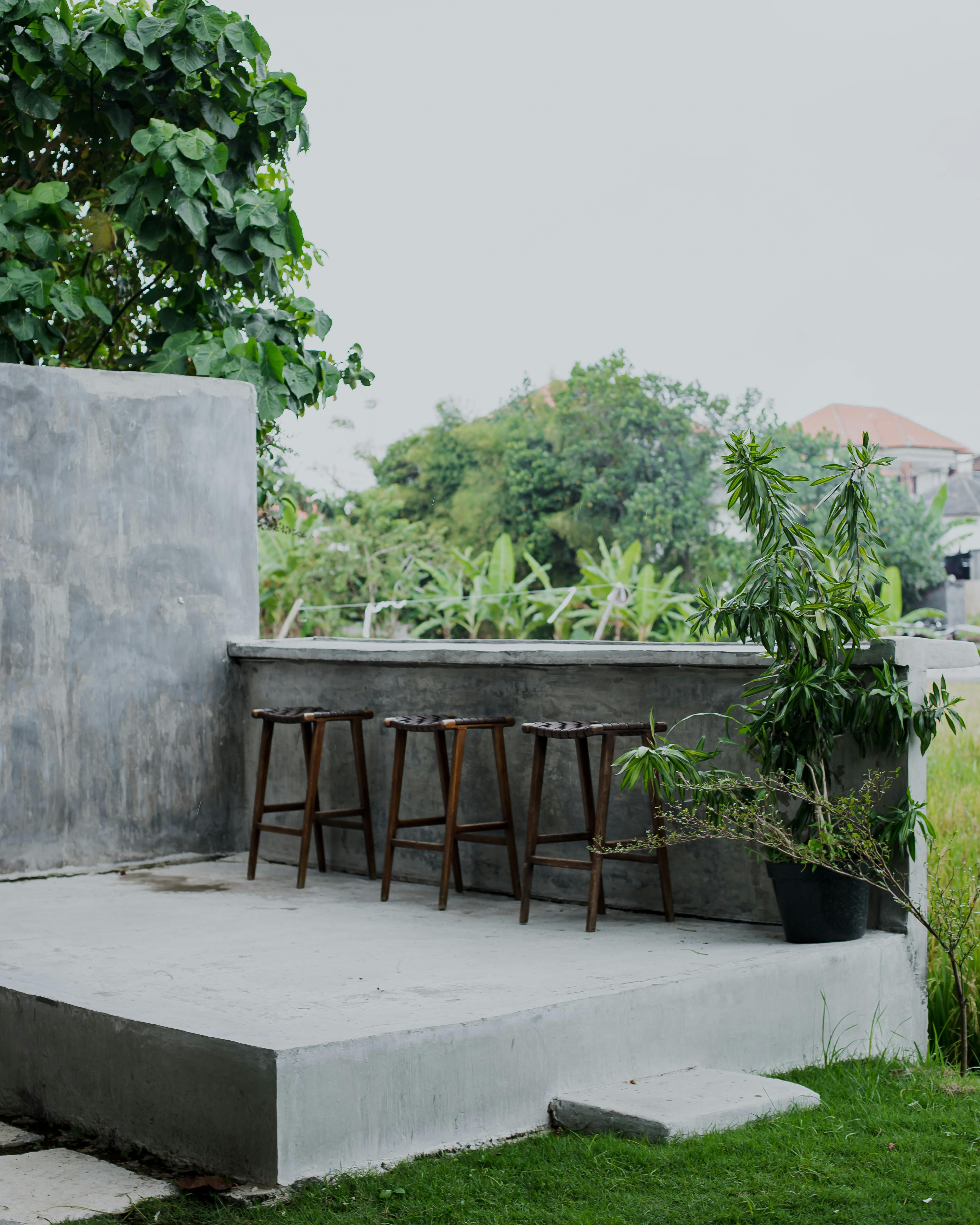
Choosing a Colour That Complements Porcelain Paving
Colour matters more with porcelain than with most other paving materials, simply because porcelain slabs have a very consistent, uniform surface. There is little natural variation in tone to hide a jointing compound that does not quite work, so it pays to think about the pairing before you buy.
- Light porcelain, such as ivory, cream, or light grey. A mid grey jointing compound such as Joint It Elite Dove Grey usually works best. It is light enough to feel cohesive with the slab, but dark enough to define each joint line clearly for a crisp, finished look.
- Dark porcelain, such as charcoal, graphite, or slate effect. A darker jointing compound like Joint It Elite Midnight tends to suit these slabs far better than a light grey joint, which can look chalky and stand out too much. A near black or charcoal joint keeps the patio looking seamless.
- Beige or sandstone effect porcelain. A warmer, mid grey joint colour will usually sit more naturally here than a stark light or dark option.
As a general rule, matching tone rather than matching colour exactly gives the best result. A joint a shade or two darker than the slab tends to look intentional and neat, while one that is much lighter or much darker can end up looking like an error rather than a design choice.
Practical Benefits That Matter Most on Porcelain
Some benefits of a good jointing compound apply to any paving type, but a few matter more specifically when the paving is porcelain.
Non staining finish. Because porcelain is non-porous, any residue left on the surface during installation sits on top of the slab rather than soaking in. That means smears and haze are highly visible, especially on light porcelain, where even a faint film can catch the light and look patchy. A jointing compound designed to be applied cleanly, with minimal risk of staining the slab face, saves a lot of frustration later.
Water permeability. Porcelain's low absorption is a strength for durability, but it means water has nowhere to go except across the surface and into the joints. If the jointing compound is not sufficiently water permeable, that water can pool on the patio rather than draining away through the sub base, leading to standing water and staining around the edges of puddles. A properly permeable resin joint gives the water a route through the paving system instead.
Long term joint stability. Porcelain patios are often laid with tighter, more precise joints than natural stone, and a compound that shrinks or loosens over time will be far more noticeable against porcelain's clean lines than on a more forgiving, textured material.
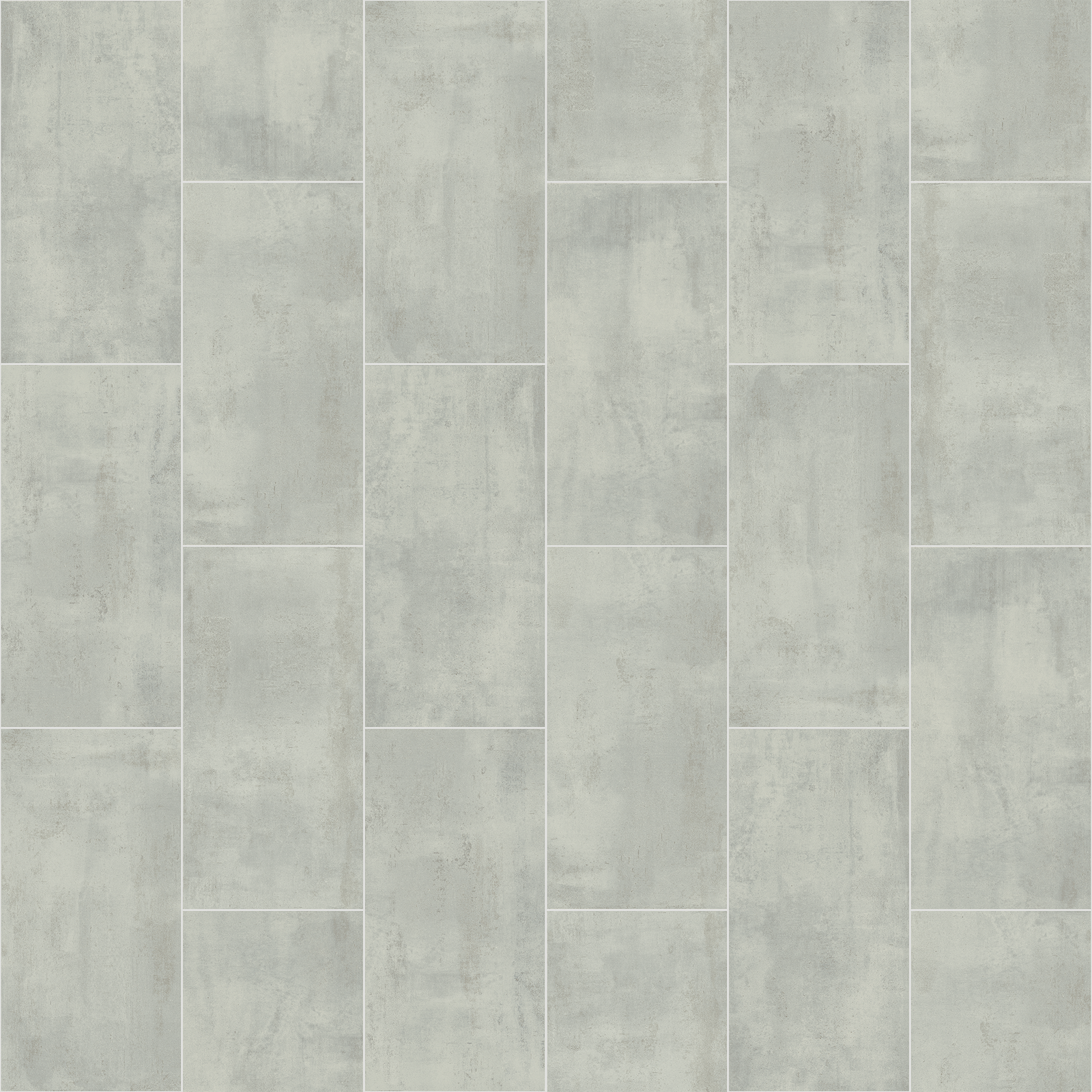
Application Tips for Jointing Porcelain Paving
Porcelain rewards a careful, methodical approach at the jointing stage. A few tips make a real difference to the finished result.
- Start with clean, dry joints. Dust, grit, or standing water left in the joint can affect how well the compound bonds and cures, so brush out debris and make sure joints are properly dry before you begin.
- Protect the slab surface as you go. Because porcelain shows residue clearly, work in manageable sections and clean off any excess compound promptly, before it has a chance to cure onto the slab.
- Use a damp sponge for cleanup, not a soaking wet one. Excess water on the surface can drag uncured resin across the slab and create smears that are harder to remove once cured.
- Check the weather. Avoid application in heavy rain or very cold conditions, and allow the recommended curing time before the patio takes foot traffic.
- Work from a firm, well compacted sub base. No jointing compound can compensate for movement in the paving, so a solid foundation underneath matters just as much as the joint on top.

Frequently Asked Questions
Can you use normal grout on porcelain paving?
You can, but it is not the best choice. Traditional cement based grouts and mortars are designed to bond with more porous, absorbent paving materials. Porcelain's low absorption means a standard grout may not key into the joint properly and is far more prone to cracking or washing out over time. A paving resin formulated for porcelain, such as Joint It Simple or Joint It Elite, is the more reliable option.
Does jointing compound stain porcelain slabs?
A well formulated resin jointing compound should not stain porcelain when applied correctly, since it bonds into the joint rather than soaking into the slab. Because porcelain is non-porous, any residue left on the surface sits visibly on top, so it is important to clean off excess compound promptly to avoid a haze forming on the slab face.
What colour jointing compound goes best with light grey porcelain?
A mid grey tone, a shade or two darker than the slab itself, generally works best with light grey porcelain. It defines the joint lines clearly without looking harsh, giving a neat, considered finish rather than a stark contrast. Joint It Elite Dove Grey is a popular option for this kind of pairing.
How long does resin jointing compound take to cure on porcelain paving?
Cure times vary by product and weather, but most resin jointing compounds are rain resistant within a few hours and fully cured within a day or two. Always check the specific guidance for the product you are using and avoid heavy traffic until the joints have properly hardened.
Porcelain paving is a fantastic choice for a modern, low maintenance patio, but it only performs as well as the jointing compound holding it together. A resin based joint it porcelain epoxy grout gives porcelain the bond, the water permeability, and the non-staining finish it needs, in a colour that complements the slab. Browse the full Joint It range to find the right jointing compound for your project.
