

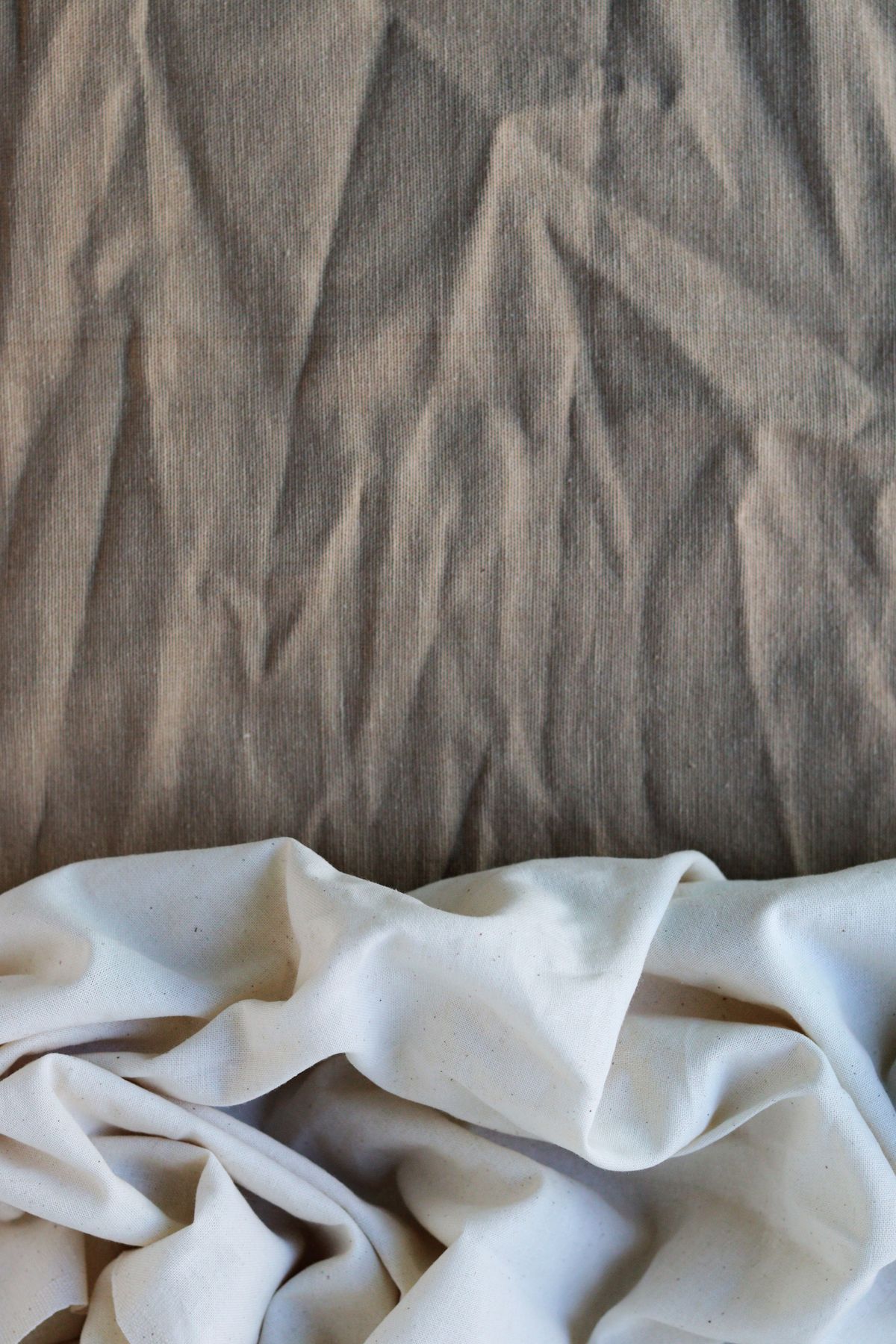
Every kitchen has a drawer full of them, but not every tea towel does the same job well. Pick one up to dry a wine glass and it might leave streaks. Use another on a roasting tin and it barely soaks anything up. The difference almost always comes down to the fabric.
So if you're choosing between linen and cotton for your kitchen, the question is worth thinking through properly. Both are natural fibres. Both are washable and reusable for years. But they behave quite differently once they're in your hand, and here's how to pick the right one, or the right combination, for your household.
Why the Material of a Tea Towel Actually Matters
A tea towel has a few jobs: drying dishes, lifting hot pans, wiping down surfaces, lining a bread basket, polishing glassware. No single fabric excels at all of them, which is why most kitchens end up with more than one type.
Four things decide how well a towel performs:
- Absorbency: how much moisture the fibre can hold before it needs wringing out or swapping.
- Lint: whether the towel sheds fine fibres onto glass, cutlery, and dark surfaces as you dry them.
- Durability: how the weave holds up to daily washing at high temperatures over months and years.
- Feel: whether it's soft against the hands or has a crisper, more textured finish.
Cotton and linen sit at different points on all four, which is exactly why they suit different tasks. Neither fabric is objectively "better". A towel that's brilliant for mopping up a spilt pan of gravy is rarely the one you'd reach for to polish a set of wine glasses, and vice versa. Once you know which properties matter for a given job, choosing between them gets much easier.
Cotton Tea Towels: The Everyday Workhorse
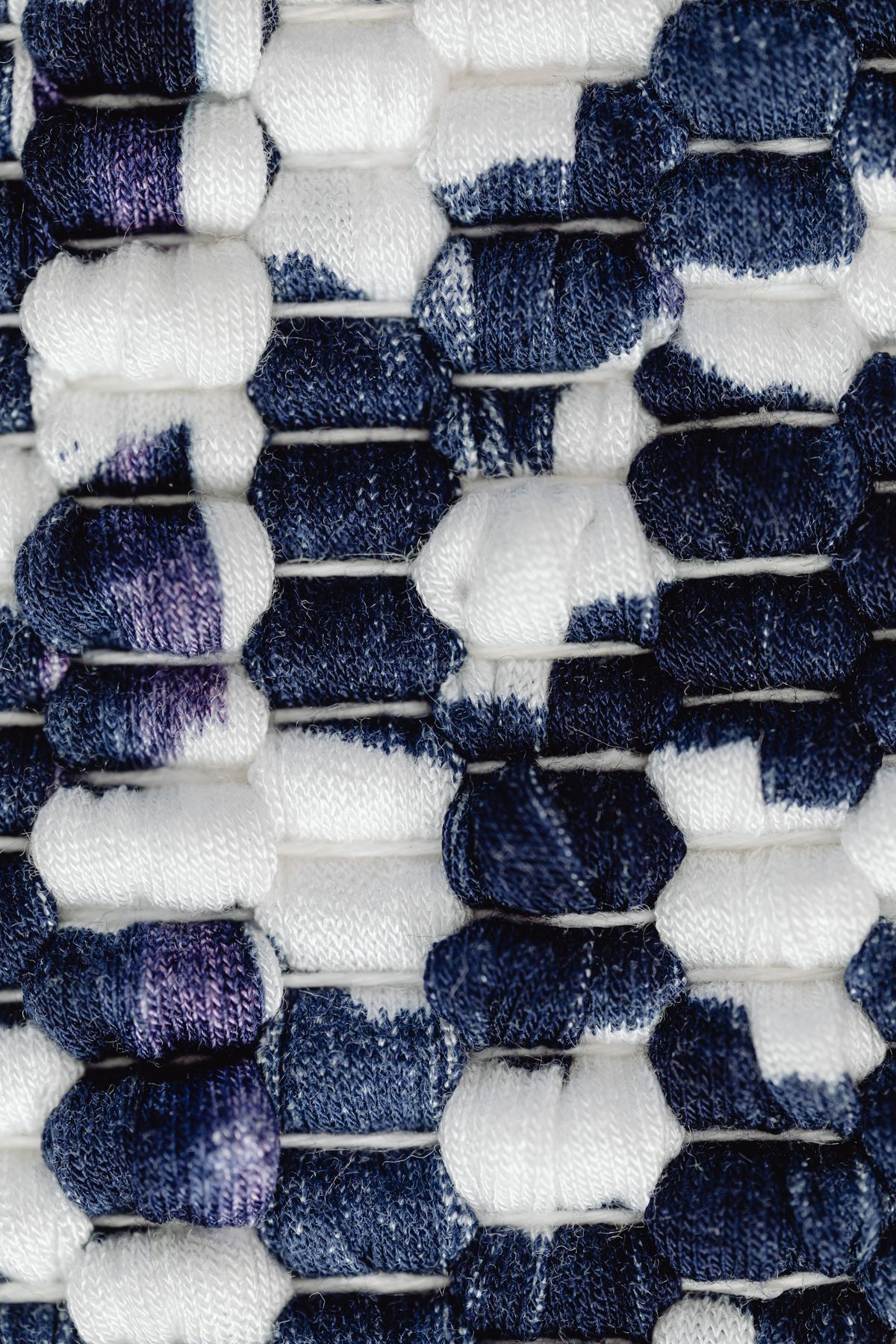
A cotton tea towel is the default choice for most British kitchens, and there's a simple reason for that. Cotton fibres are naturally absorbent and hold up well to repeated hot washes. They're also widely available in a range of weights, patterns, and price points, so it's easy to build up a stack without much thought. Plain woven cotton is light and dries quickly on the line. It works well for everyday jobs like wiping worktops, drying crockery, and covering proving dough. A set of 100 cotton tea towels like this is a sensible starting point if you're restocking a kitchen drawer, since you'll always have a clean one to hand. Weight makes a noticeable difference within cotton itself. A thin, loosely woven cotton towel is fine for quick wipes and covering dishes, but it will feel damp and start clinging to your hands after a few plates. A heavier, closer weave holds more water before it needs wringing out, which matters more than people expect once you're drying a full dinner service rather than a single mug.
Cotton Terry Tea Towels: Built for Heavy-Duty Drying
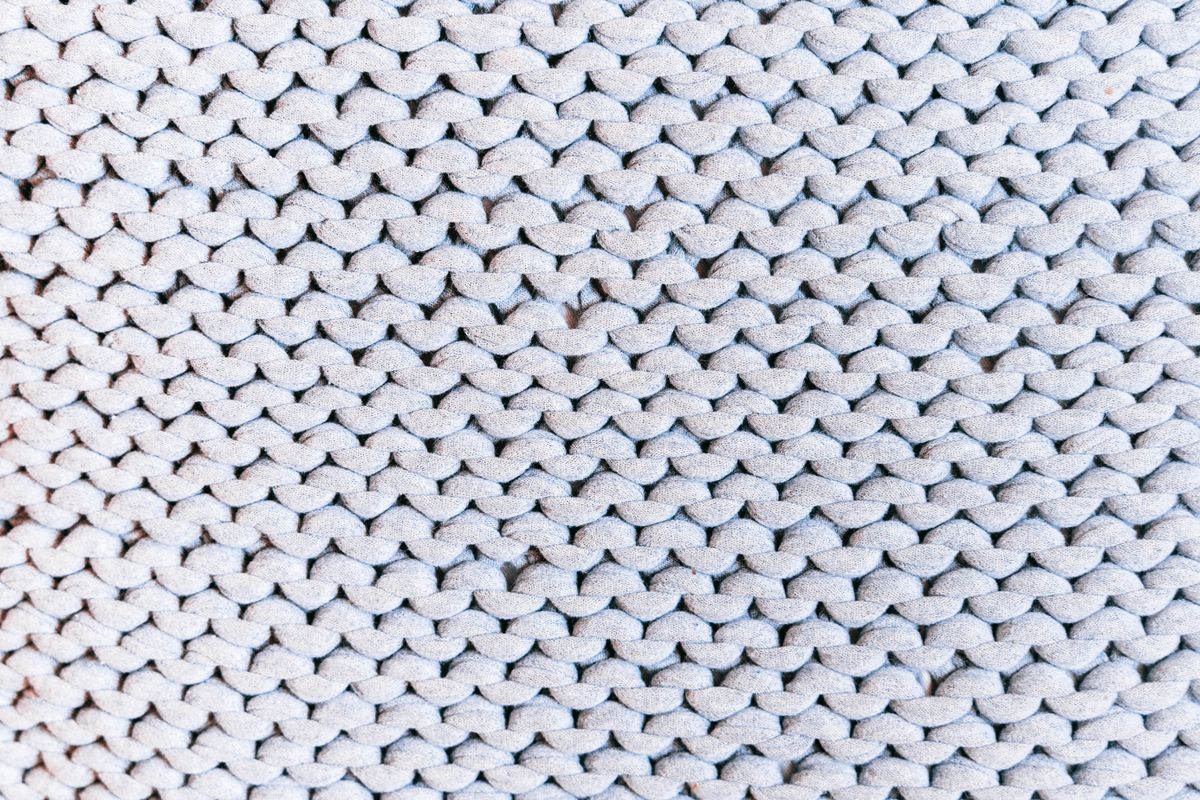
Terry tea towels are cotton too, but they're woven with a looped pile (the same construction used in bath towels) rather than a flat weave. Those loops massively increase the surface area of the fabric, and that's what makes terry cotton so much more absorbent than a standard weave. If you wash up by hand regularly, or you're drying heavy items like casserole dishes, roasting trays, or a full draining rack after Sunday lunch, a thick terry towel will outperform a thin cotton one every time. The Ottoman Jumbo Terry Tea Towel is a good example: a generously sized, thick tea towel designed specifically for that kind of heavy-duty drying rather than for display.
Linen Tea Towels: Lint-Free and Quick-Drying
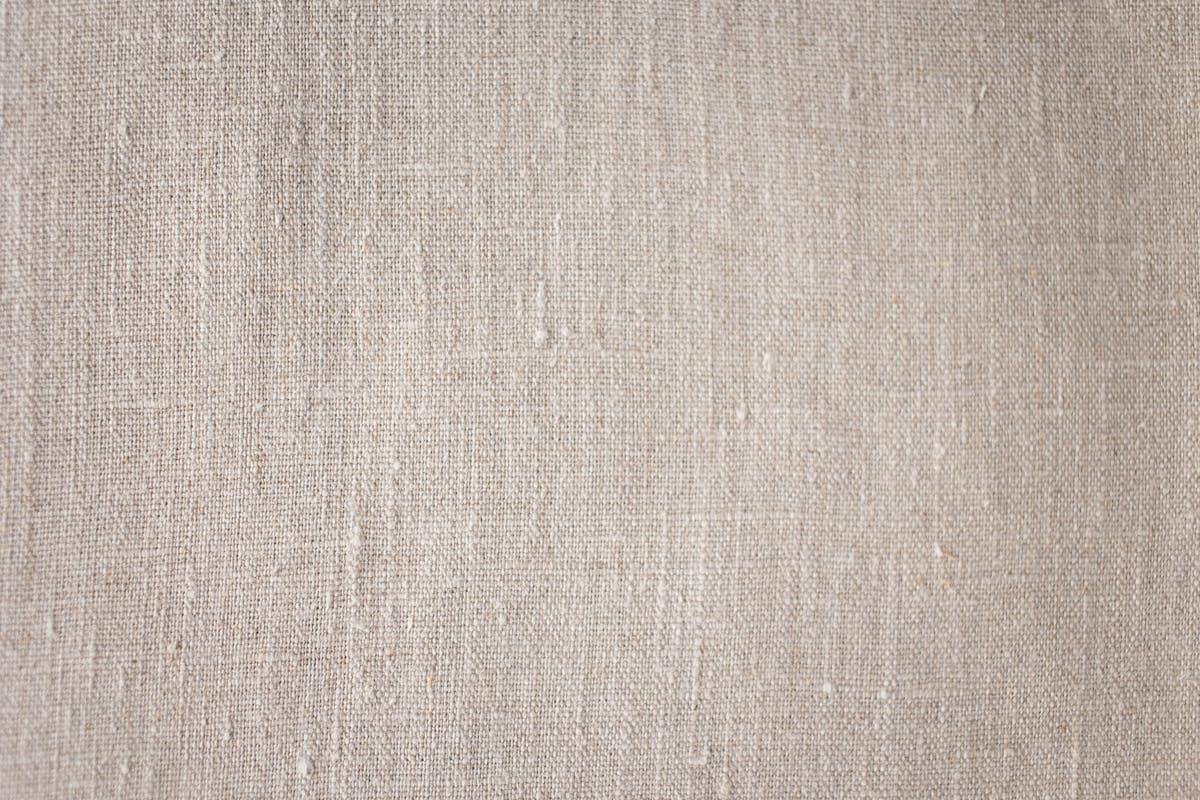
Linen tea towels are woven from flax fibre, which is naturally smoother and stronger than cotton. That structure gives linen a few distinct characteristics. It dries much faster than cotton, it softens nicely with use rather than wearing thin, and, most usefully in a kitchen, it's virtually lint-free. So are linen tea towels good for drying dishes? For everyday plates, bowls, and cutlery, yes, they're perfectly capable. Where linen genuinely earns its keep is on glassware, cutlery, and anything with a shiny finish, because it won't leave fibres or a hazy film behind. Where linen tends to fall short of terry cotton is on absorbency for heavier, wetter jobs. Because it's a flatter, tighter weave, a single linen towel holds less moisture than a looped terry one, so it needs swapping or wringing out more often if you're working through a big stack of washing-up. Linen also has a practical advantage that's easy to overlook. It dries faster than cotton between uses, and in a busy kitchen that matters more than it sounds. A towel that's still damp from breakfast by lunchtime is a towel that's starting to smell musty and doing a worse job of drying anything. A flax weave releases moisture quickly, so a linen towel hung over a rail is usually ready to use again well before a thick cotton one is.
Cotton or Linen? A Straightforward Way to Decide
There's no need to pick one and abandon the other. Most kitchens do best with both, used for different jobs:
- At the washing-up bowl: reach for a thick terry cotton towel. It'll soak up far more water before it needs wringing out, and it's built to withstand daily hot washes.
- For glassware and cutlery: a linen tea towel gives a streak-free, lint-free finish that cotton struggles to match, which is why it's the classic choice for polishing before a dinner party.
- For general wiping and covering: a plain cotton tea towel is light, absorbent enough, and inexpensive to replace as it wears.
- For presentation (bread baskets, table settings, gifting): linen's crisper drape and softer sheen tend to look better than cotton's more casual finish.
If you only keep one type in the drawer, cotton, ideally a terry weave, will cover more daily tasks. If you already have cotton covered and want to solve the streaky-glass problem, linen is the one to add next.
What About Microfibre Tea Towels?
Microfibre is worth a mention, since it's increasingly sold alongside cotton and linen. It's a synthetic fabric, not a natural fibre, and it's built for a different purpose: cleaning and buffing rather than traditional tea towel use. Are microfibre tea towels any good? For streak-free glass and mirror cleaning, or for wiping down hobs and worktops, microfibre performs very well. It's highly absorbent for its weight and picks up grease effectively. What it doesn't offer is the traditional feel, appearance, or washing-line practicality of a cotton or linen tea towel, and it isn't really designed for handling food or hot dishes in the way a proper kitchen tea towel is. Most households use it as a separate cleaning cloth rather than a tea towel replacement.
Why Lint-Free Actually Matters for Glasses and Mirrors
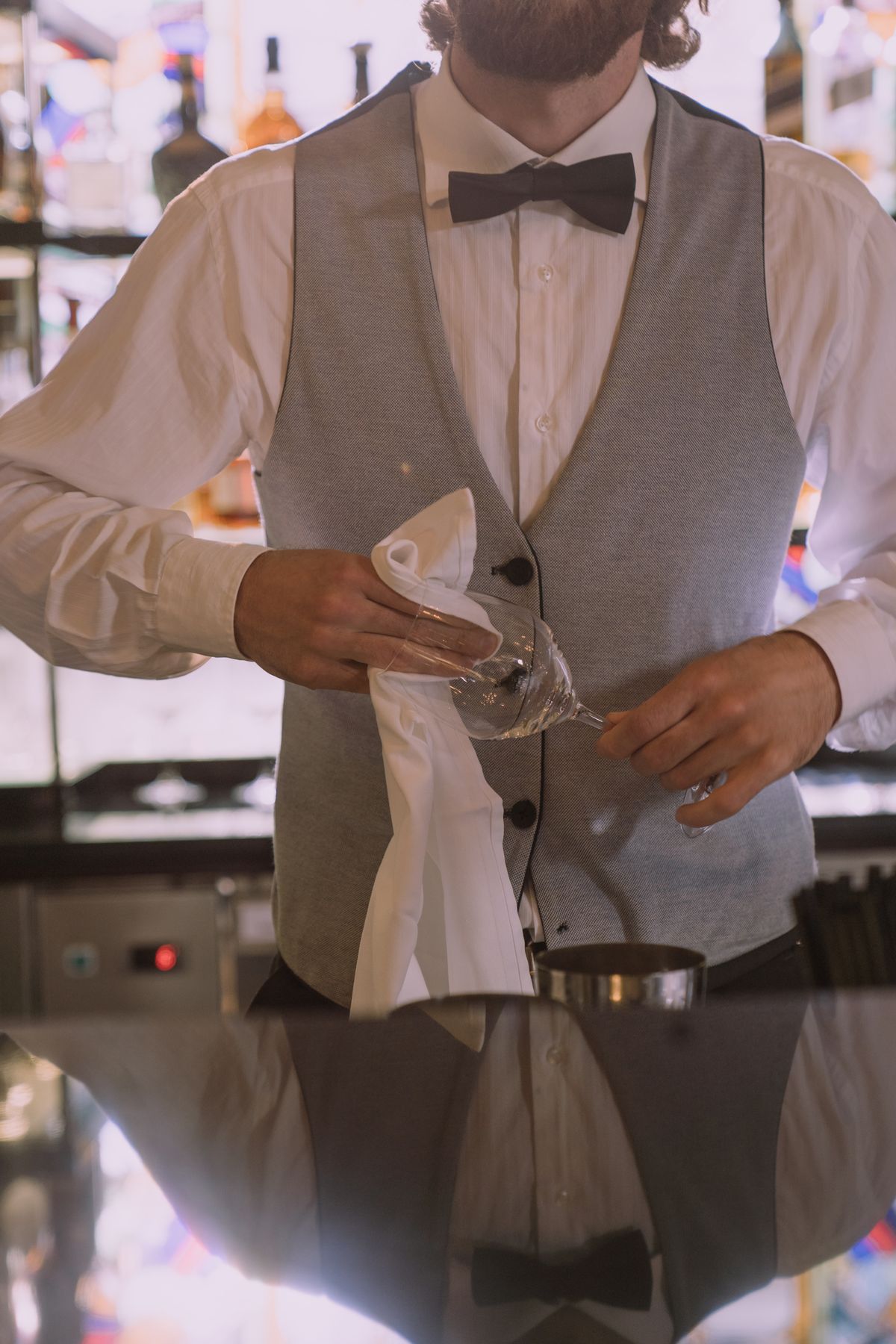
Lint isn't just a cosmetic issue. On dark plates, glassware, and mirrors, loose fibres show up immediately under any light, and once they're stuck to a damp surface they're often harder to remove than the water mark you were drying off in the first place. Terry cotton sheds more of these fine fibres than a flat weave does, simply because its looped pile is a more open structure. Linen's tightly spun, smooth fibres are much less prone to shedding, which is why it's the fabric bartenders, caterers, and anyone setting a formal table tend to reach for. If glasses coming out cloudy or fluffy is a recurring frustration, switching just those items over to a linen tea towel usually solves it.
FAQ
Are tea towels lint free?
It depends on the fabric and weave. Tightly woven linen is close to lint-free, plain cotton sheds relatively little, and looped terry cotton sheds the most because of its pile construction. If lint is a problem for you, linen is the safer choice for glass and cutlery.
Are thick tea towels always better?
Not for every job. Thick, terry-weave towels are best for heavy drying, think pans, dishes, and hands, where absorbency matters most. Thinner cotton or linen towels dry faster, take up less space, and are often better suited to lighter tasks like polishing or covering food.
How should I care for cotton and linen tea towels?
Both wash well at high temperatures, which is useful for keeping kitchen textiles genuinely hygienic. Wash them separately from heavily fluffing items like bath towels to limit lint transfer, and avoid fabric softener, which reduces absorbency over time on both cotton and linen.
Whichever you choose, having a mix of cotton and linen on hand means you're never using the wrong towel for the job. Browse the full tea towel collection to find the right combination for your kitchen.
