


One of the most common questions we see, in various forms, is simply "can I paint this with masonry paint?" It comes up for brick walls, garden fences, concrete floors, paving slabs, metal railings and more, and the honest answer is that masonry paint is genuinely excellent on some surfaces and genuinely wrong for others. Using it on the right surfaces gets you fifteen years of protection, using it on the wrong ones can mean a disappointing result or, at worst, a paint film that fails within months. Here's a straight answer for every surface people actually ask about.
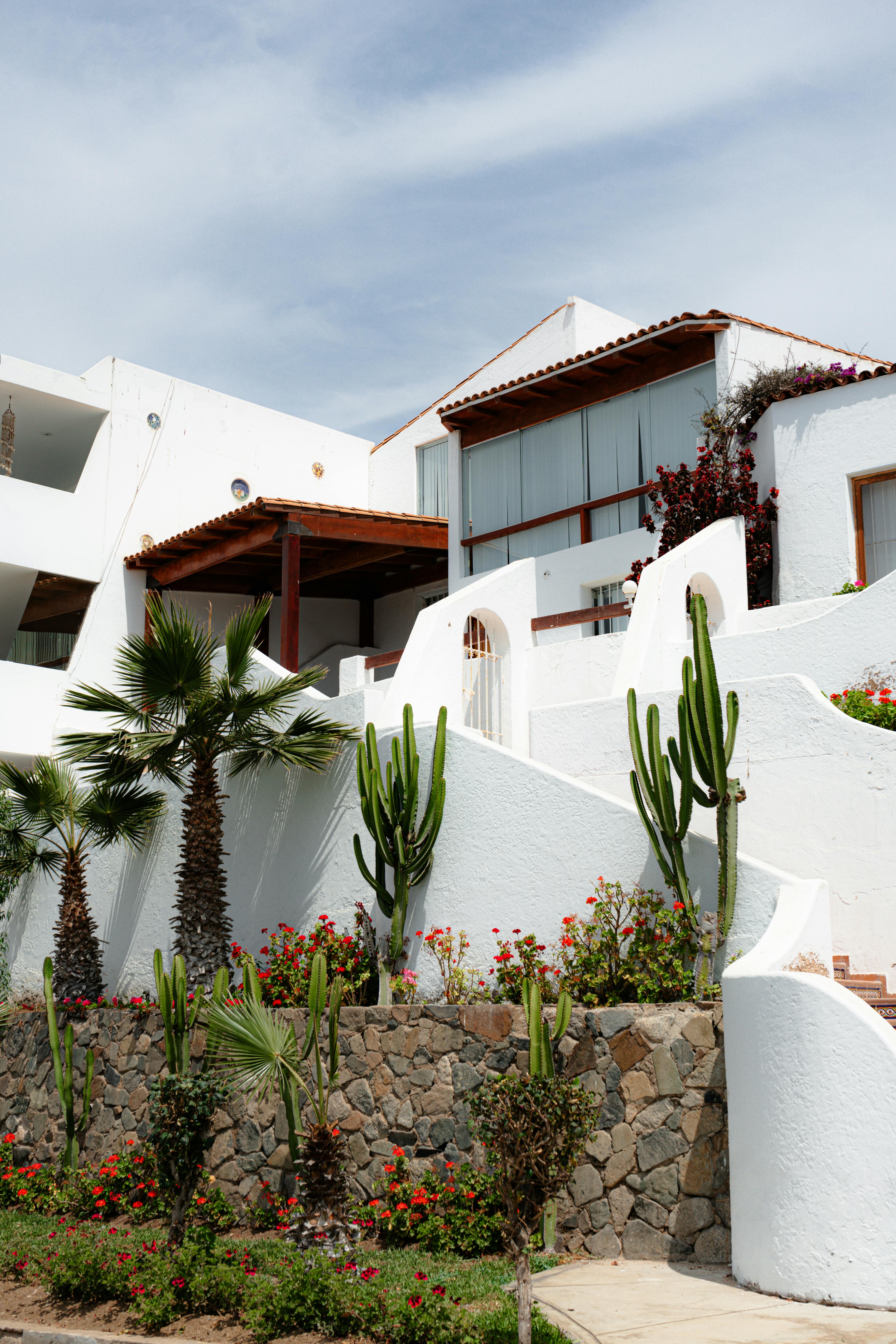
Render: yes
Render is exactly what masonry paint is designed for. Sandtex Smooth Masonry Paint suits both traditional sand-and-cement render and most modern render systems, giving a breathable, weatherproof, long-lasting finish. The main thing to check is that the render is fully cured (particularly on new builds or extensions, where render needs weeks to months to cure properly before painting) and free from active mould, algae, cracks or loose material before you start.
Pebbledash and roughcast: yes
Both of these textured finishes take masonry paint well, and it's often exactly what a tired, discoloured pebbledash wall needs to look transformed. The main practical difference is application, you'll want a longer-pile roller (or a stiff brush for detail work) to properly work paint down into all the recesses between the stones, and you'll typically use more paint per square metre than on a smooth surface simply because there's more actual surface area to cover.
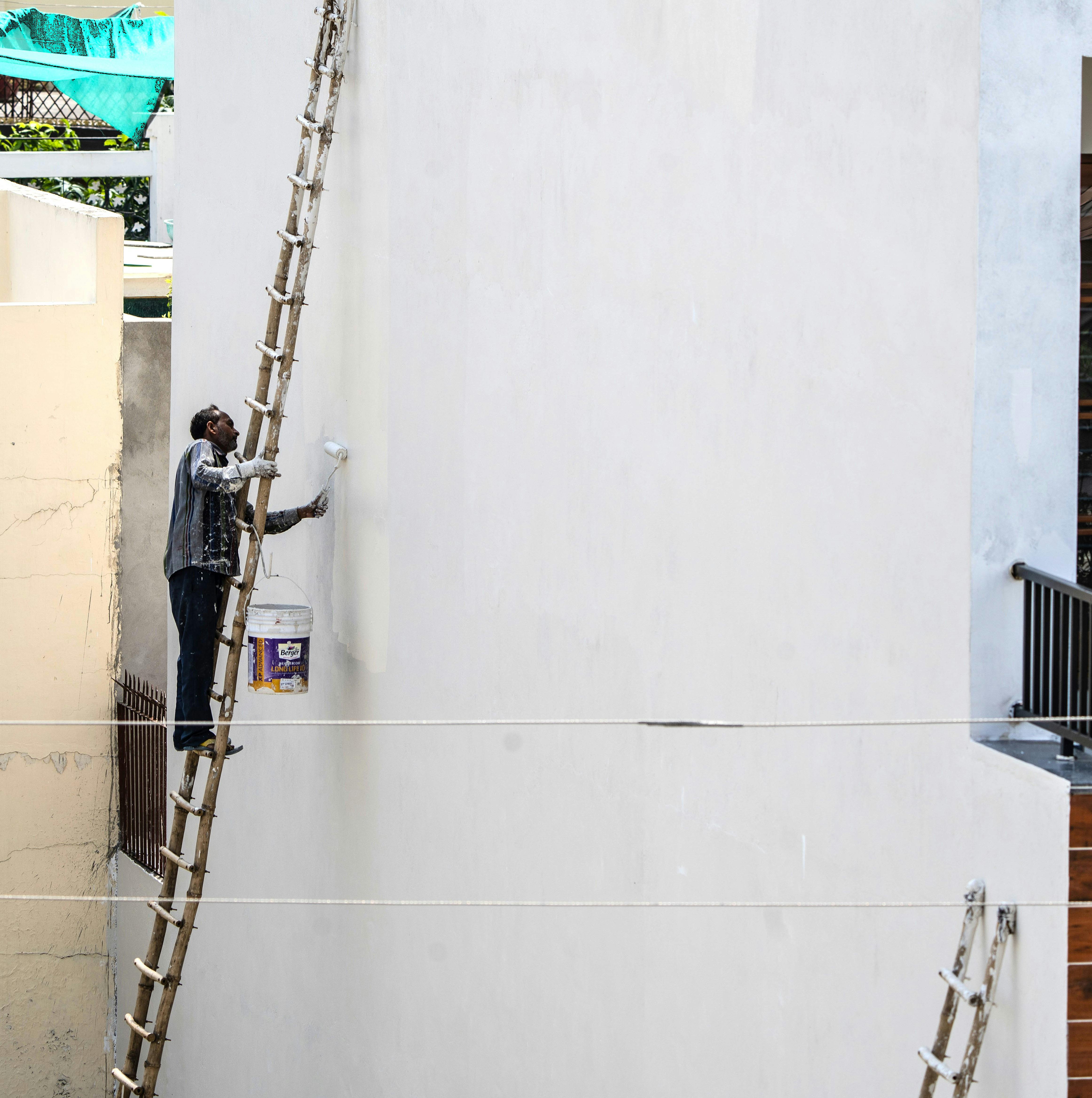
Facing brick: yes, with one exception
Facing brick, the decorative brick used on the visible outer skin of most UK homes, takes masonry paint well and is a suitable surface for Sandtex Smooth Masonry Paint. The exception is common, fletton or engineering-type brick, which is generally too dense and non-porous for masonry paint to bond and perform properly. If you're not sure which type of brick you have, it's worth checking with a local builder or merchant before starting, since the wrong choice here can lead to poor adhesion and early paint failure.
Concrete (walls and blocks): yes
Concrete render, concrete panels and building blocks are all suitable surfaces for masonry paint. As with any masonry substrate, make sure the concrete is fully cured, clean, and free of any loose, flaking or friable material before painting, and treat any efflorescence (the white powdery salt deposit that can appear on newer concrete) by brushing it off before you start.
Lime render: proceed with care
Traditional lime render is a special case. It's designed to be significantly more breathable than modern cement-based render, and pairing it with the wrong coating can undermine exactly the moisture management that makes lime render work well on period properties. A specialist lime paint (typically a mineral silicate or lime-based paint) will give the highest level of breathability if you're set on doing right by a historic building. That said, many people do use a genuinely microporous masonry paint on lime render successfully, particularly on render that's in good, sound condition. If you're at all unsure, it's worth testing a small, inconspicuous patch first and monitoring it before committing the whole wall.
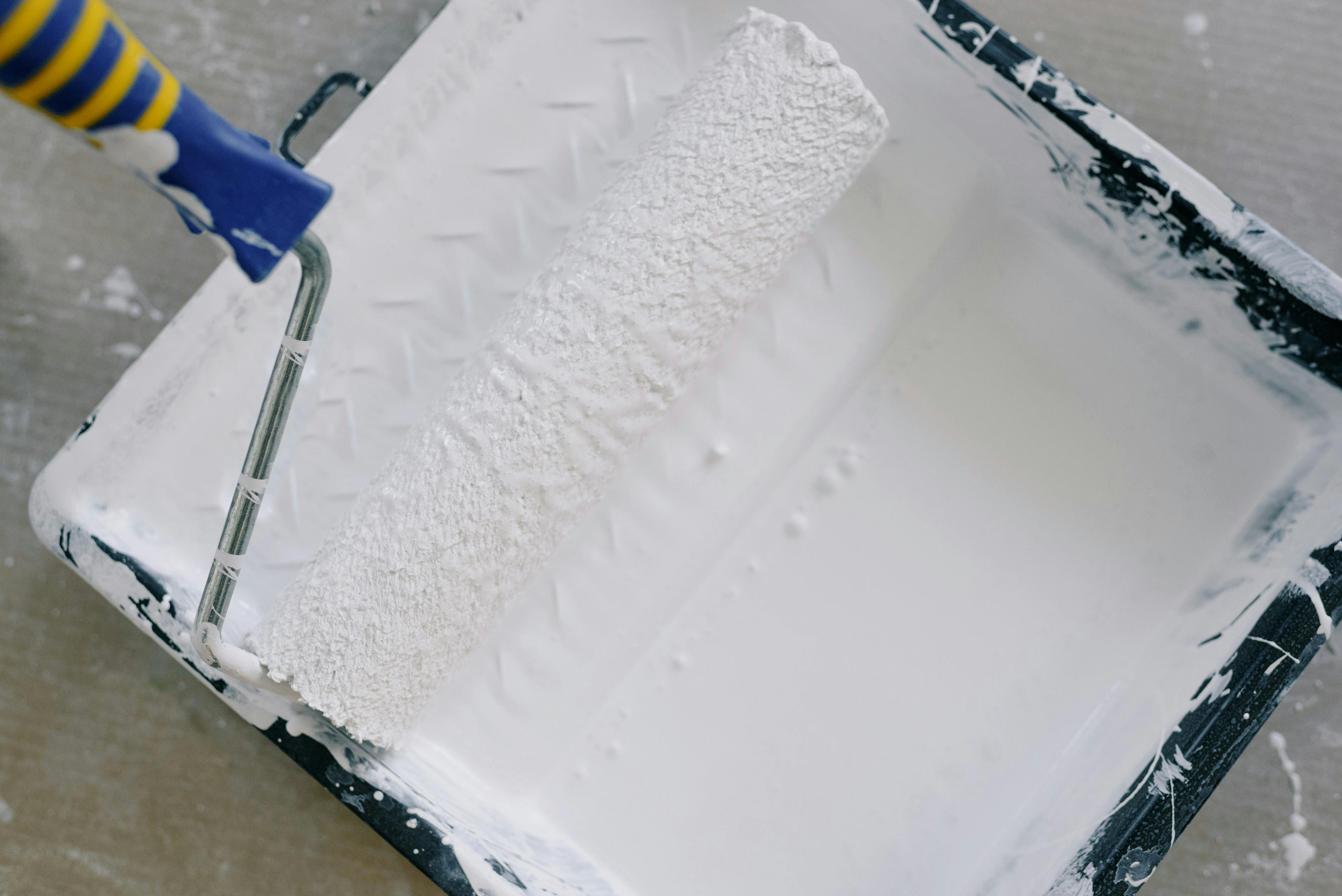
Wood: no
This is one of the most frequently searched questions, and the answer is a clear no. Masonry paint isn't formulated for timber, wood expands, contracts and absorbs moisture very differently to mineral masonry surfaces, and a masonry coating won't flex or perform correctly on it long-term. Fences, sheds, fascias, soffits and any other exterior timber need a dedicated exterior wood paint, stain or preservative instead, these are formulated specifically for how wood moves and breathes.
Metal: no
Metal surfaces, railings, gates, downpipes, need their own dedicated metal paint system, typically involving a rust-inhibiting primer followed by a compatible topcoat. Masonry paint isn't formulated to bond properly to metal or to provide the corrosion protection metal surfaces need, so it's worth budgeting separately for metal paint if your project includes railings or ironwork alongside the masonry.
Paving slabs and concrete floors: no
This comes up surprisingly often, but masonry paint is designed for vertical wall surfaces, not floors or paving. Floor and paving surfaces need a specific floor paint formulated for foot traffic, abrasion resistance and, in the case of exterior paving, slip resistance, none of which a standard masonry wall paint is designed to provide. Using masonry paint on a path or patio will typically wear through quickly and can also leave a surface more slippery than intended.

Previously painted masonry: yes
Repainting a wall that's already coated is one of the most common jobs, refreshing colour, restoring protection as an old coating ages, or changing to a new shade entirely. As long as the existing paint is sound (not flaking, blistering or chalky) and was itself a breathable masonry coating, you can generally go straight over it with fresh Sandtex coats after a standard clean-down. If the existing coating is in poor condition or you're not sure what it is, it's worth doing a small test area first, or seeking advice, since painting a new breathable coat over a failed, non-breathable old one won't necessarily fix the underlying problem.
What actually happens if you use it on the wrong surface
It's worth understanding why this matters beyond "the tin says not to". On wood, masonry paint's rigid, mineral-based film can't cope with timber's natural movement, leading to cracking and flaking that happens far sooner than it would with a proper wood coating. On dense engineering brick, the paint struggles to key into a surface that's barely porous, so adhesion is weak from day one, expect peeling within a season or two rather than years. On metal, without a rust-inhibiting primer underneath, corrosion continues underneath the paint film regardless of how the paint itself performs, the wrong product simply can't do a job it was never designed for. In each case it's not that the paint is low quality, it's a genuine mismatch between the coating's chemistry and the surface's properties.
UPVC, plastic and rendered garden walls
UPVC window frames, fascias and cladding shouldn't be painted with masonry paint either, these need a specialist UPVC paint formulated to bond to plastic, which has very different surface chemistry to masonry. Garden walls, boundary walls and outbuildings built from the same materials as your house (brick, block or render) follow exactly the same rules as the main house walls, if it's a suitable masonry substrate, Sandtex Smooth Masonry Paint will work just as well on a garden wall as on a house elevation, giving a coordinated look across the whole property if that's the effect you're after.
Downpipes, gutters and other fixtures
Downpipes and guttering are usually plastic (UPVC) or metal, not masonry, even though they're mounted directly against a wall you're painting. It's easy to accidentally get masonry paint on them while cutting in around the edges, and while a small amount won't cause structural harm, it won't look great and won't perform as intended on that surface either. Mask these fixtures off before you start rather than trying to carefully paint around them freehand, it saves time and gives a cleaner finished result.
When a surface is genuinely mixed
Plenty of real houses have a mix of surfaces on the same elevation, brick at the base, render above, a timber-clad gable end, for example. In these cases, treat each material according to its own rules rather than picking one product for the whole wall. It takes a bit more planning and a bit more masking at the boundaries between materials, but it's the only way to get a finish that actually performs correctly and looks properly finished, rather than one that looks fine on day one and starts failing on the mismatched sections within a year.
A quick reference summary
To sum up the surfaces we're asked about most: render, roughcast, pebbledash, concrete, building blocks, facing brick and previously painted masonry are all suitable for Sandtex Smooth Masonry Paint. Common, fletton and engineering-type brick, wood, metal and floor or paving surfaces are not, these all need a different, purpose-built product. Lime render sits in the middle, usually fine with a genuinely breathable paint but worth extra care given its special moisture-management requirements.
Once you've confirmed your surface is a good match, browse the full range of Sandtex colours and sizes on the Sandtex Masonry Paint collection page.
