


Water-based gloss and satinwood paints have changed the way we finish doors, skirting boards, and trim, and they have also changed what we need from a paint brush. Traditional oil-based gloss was forgiving, brushed on and left to settle into a smooth sheen almost on its own. Modern water-based formulas dry faster and can show every brush mark if the wrong filament is used. That is where Purdy brushes come in. Purdy has been making paint brushes since 1925, and the range built for this exact job, the Purdy Syntox, is designed around the way modern gloss and satin paints behave. This guide covers which Purdy paint brush to reach for when painting gloss, satinwood, or any water-based finish, and why the filament inside the brush matters as much as the size on the handle.
Why Water-Based Gloss Needs the Right Brush
Oil-based gloss paint has a long open time. It stays wet and workable for several minutes, which gives brush marks a chance to flow out and disappear before the paint skins over. Water-based gloss and satinwood paints do not behave the same way. They dry faster on the surface, so ridges or drag lines left by the brush can set before they have a chance to level out. A brush with the wrong filament, one that is too soft, too coarse, or that holds too much or too little paint, will leave those marks behind as a permanently textured finish.
This is why filament choice has become one of the biggest factors in how good a paint job looks once dry. A brush needs to pick up a controlled amount of paint, release it evenly, and glide across the surface without dragging or stuttering. Purdy brushes are built with this in mind, and different ranges are tuned to different jobs, so picking the right one before opening the tin saves far more time than fixing a patchy finish afterwards.
The Purdy Syntox for a Brush-Mark-Free Finish
If you are asking which purdy brush for gloss paint gives the smoothest result, the answer is the Syntox range. Syntox brushes use a Chinex nylon filament, a synthetic fibre engineered to lay down paint evenly and release it in a fine, controlled film. The result is a finish that looks brushed on by hand but reads almost as smooth as a sprayed surface, with far less risk of visible lines once dry.
The Purdy Syntox Angled Paint Brush is the standout choice in the range for gloss and satin work. Its angled tip makes it easier to cut in cleanly around door panels, window frames, and mouldings, while the Chinex filament keeps the paint flowing evenly rather than dragging. It also copes well with water-based gloss, traditional oil-based gloss, and satinwood alike, without needing you to change technique between them.
So if someone asks which purdy paint brush should you use for water-based gloss specifically, Syntox is the direct answer. The synthetic Chinex blend does not swell or go soft the way natural bristle can when loaded with water-based paint, so it holds its shape and edge through a full coat, which is what keeps brush marks from forming in the first place.
Using Monarch XL Elite and Dale XL Elite on Doors and Trim
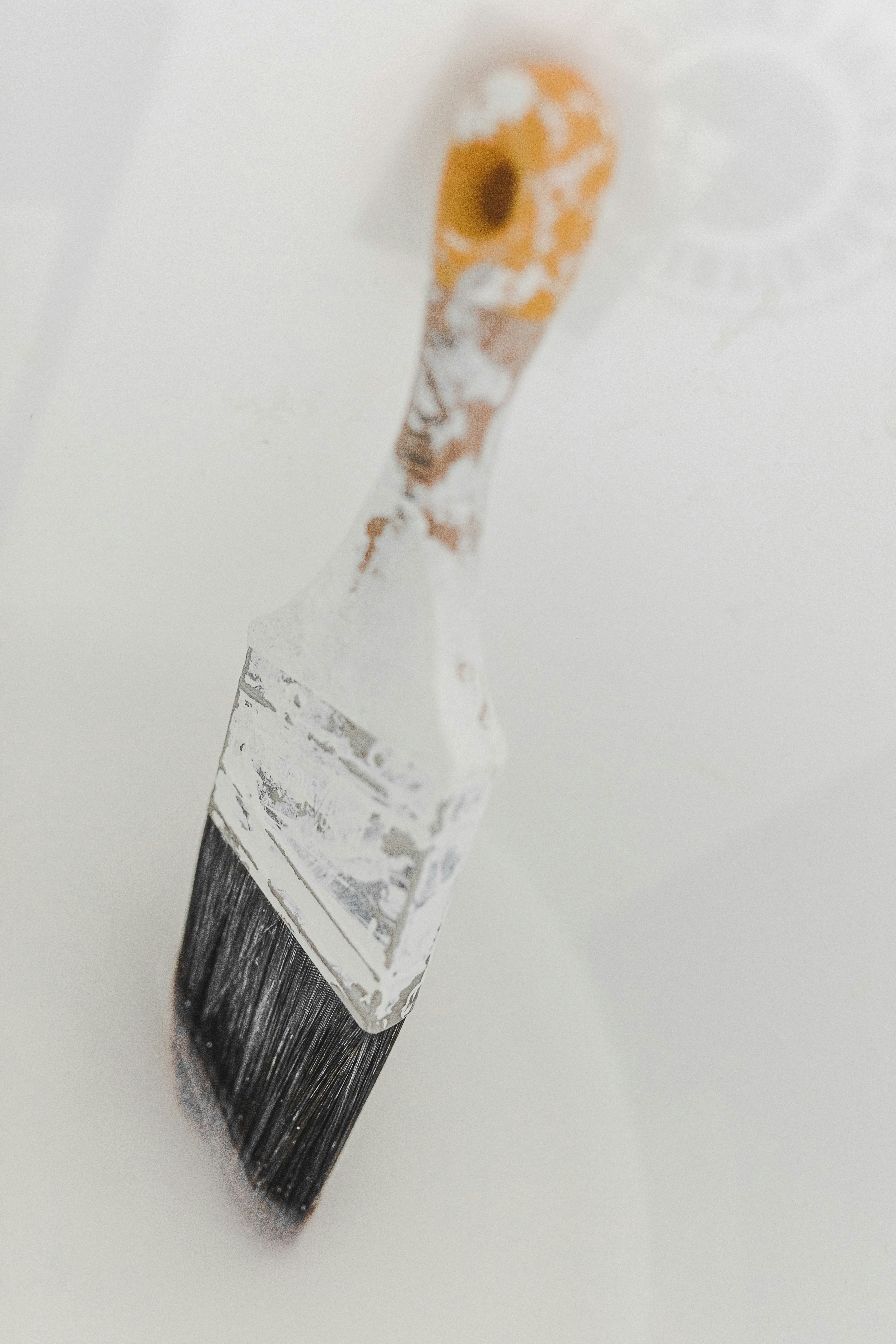
Not every job calls for a specialist gloss brush, and this is where Purdy's more general purpose ranges come in. The Monarch XL Elite is one of the most popular Purdy brushes for everyday decorating, handling emulsion, eggshell, and water-based gloss with equally good results. It holds a generous amount of paint and releases it smoothly, a sensible choice if you are painting walls one weekend and doors the next. Sizes such as the Purdy Monarch XL Elite 1 Inch and Purdy Monarch XL Elite 2 Inch cover most doors, trim, and flat panel work.
For cutting in tight lines against skirting boards, architrave, and window frames, the Dale XL Elite is worth having alongside it. It is an angular sash brush, shaped to hold a crisp edge where a wall meets a ceiling or a frame meets a wall, and it works well with water-based paints of all sheens. The Purdy Dale XL Elite 1 Inch and Purdy Dale XL Elite 1.5 Inch suit detailed edging.
So which purdy paint brush should you use for water-based paint in general, beyond gloss specifically? For broad, flat areas of trim and doors, reach for a Monarch XL Elite. For detailed edging, the Dale XL Elite earns its place in the kit, and many decorators keep both on hand alongside a Syntox for the final coats where finish quality matters most. Together they cover almost everything a redecorating job throws at you, which is why a purdy paint brush set built around these three ranges tends to outlast cheaper alternatives.
Choosing the Right Size for Doors, Trim, and Walls
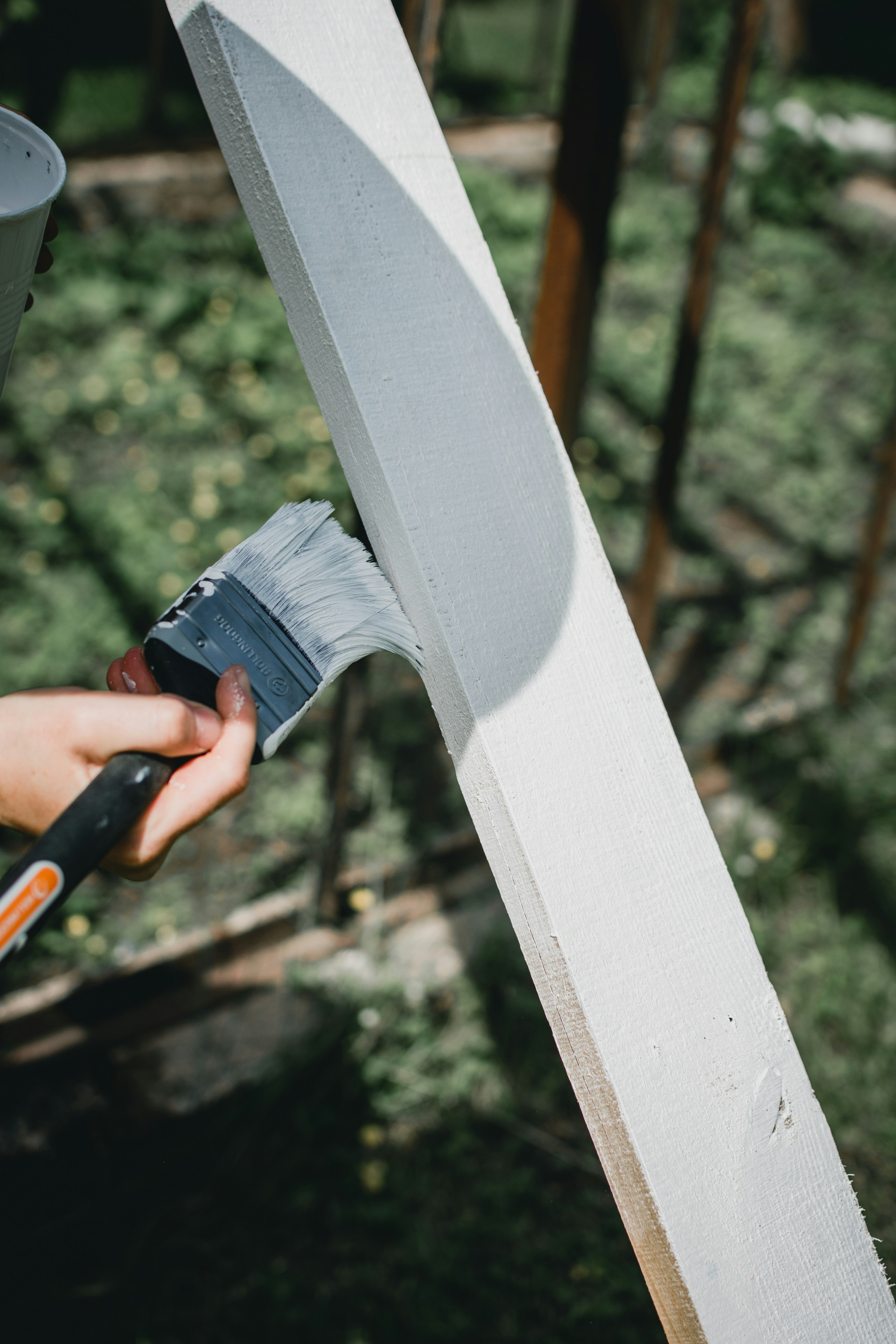
Size matters as much as filament for a clean gloss finish. A brush too wide for the job is hard to control on narrow surfaces like architrave or window bars, while one too small leaves more start and stop lines across a flat door panel.
As a general guide, a 1 inch or 1.5 inch brush, such as the Dale XL Elite 1 Inch or 1.5 Inch, suits skirting boards, door frames, and glazing bars where precision matters more than coverage. A 2 inch brush, like the Monarch XL Elite 2 Inch or the Syntox Angled 2 Inch, is the workhorse size for flat door panels and cupboard doors. Wider brushes of 3 inches or more speed up larger flat areas but are harder to control on detailed joinery, so most decorators keep a smaller brush on hand for the fiddly parts.
Avoiding Common Gloss Painting Mistakes
Even with the right brush, a few habits make the difference between a smooth finish and a patchy one. Overloading the brush is one of the most common mistakes. Dipping too deep and applying too much at once leads to drips, sagging, and uneven drying, especially with fast-drying water-based gloss. Load only the first third of the bristles and work the paint out evenly rather than piling it on.
Rushing the coat is another issue. Water-based gloss dries quickly, so working back over an area that has already begun to skin will drag and tear the surface instead of smoothing it. Work in manageable sections, laying the paint on, then laying it off in one direction with light, even strokes and minimal reworking.
Skipping preparation is the third common trap. A clean, lightly sanded, dust-free surface lets a good brush do its job properly, while old flaking paint or dust will show through any topcoat, no matter how smooth the brush lays the paint down.
Cleaning Up After Gloss Paint
Looking after a good brush keeps it performing well for years, and that is especially true for the synthetic filaments used in the Syntox and Monarch XL Elite ranges. For water-based paint, clean the brush in lukewarm water with a little washing up liquid straight after use, working the bristles between your fingers until the water runs clear, then reshape the head and let it dry flat or hanging tip down.
Oil-based gloss needs a suitable brush cleaner or white spirit first, followed by a wash in warm soapy water. Never leave a brush standing on its bristles in a jar, since this bends the filament and ruins the fine edge that gives Purdy brushes their smooth release. A quick clean after every use is far less effort than rescuing a brush left to dry with paint set in the base of the bristles.

Frequently Asked Questions
Which Purdy brush is best for gloss paint?
The Purdy Syntox Angled Paint Brush is the best choice for gloss paint. Its Chinex nylon filament is designed to lay down an even film and release paint smoothly, which minimises brush marks on both water-based and oil-based gloss.
Which Purdy paint brush should you use for water-based gloss?
For water-based gloss specifically, the Syntox range is built for the job. The synthetic filament does not swell in water-based formulas the way some bristle brushes can, so it holds its shape and keeps releasing paint evenly through a full coat.
Which Purdy paint brush should you use for water-based paint generally?
For general water-based decorating, a Monarch XL Elite is a dependable everyday brush, with a Dale XL Elite kept alongside it for cutting in around trim and frames.
Do I need a different brush for satinwood?
Satinwood behaves similarly to gloss for drying speed and visible brush marks, so the same Syntox or Monarch XL Elite brushes that work well for gloss are also a good match for satinwood finishes.
Is it worth buying a Purdy paint brush set?
A purdy paint brush set that combines a Syntox for finish quality with a Monarch XL Elite and Dale XL Elite for general work and cutting in covers most decorating jobs without needing to buy separate brushes for every task.
