


When you choose Dulux Egyptian Cotton (colour code 40YY 65/061) for your walls, the trim conversation isn't automatically settled. This warm, soft, creamy neutral beige (with a subtle warm undertone and an LRV of 66%) is at its best when the woodwork around it has been considered too. That means using the right product on skirting boards, doors, frames and radiators, rather than leaving them the builder's white by default or reaching for leftover wall paint that isn't built for wood and metal. That's where Dulux Quick Dry Satinwood 750ml in Egyptian Cotton comes in: a dedicated trim paint formulated for durability, a fast turnaround and a smooth, low-sheen finish that standard wall paints can't match on high-touch surfaces.
This guide covers what Quick Dry Satinwood is, where to use it, whether you need an undercoat, how to apply it step by step, and whether your woodwork should match or contrast with Egyptian Cotton walls.

What is Dulux Quick Dry Satinwood?
Dulux Quick Dry Satinwood is a water-based trim paint designed specifically for wood and metal: the surfaces that ordinary wall paint isn't formulated for. As the name suggests, it sits at a satinwood sheen level: not as flat as a matt wall finish, but not as reflective as full gloss either. That soft lustre is exactly what you want on skirting boards, doors and banisters, because it shows off the joinery without highlighting every imperfection the way gloss can.
A few practical points make it easy to work with. It's self-undercoating on most surfaces, so in many everyday repaint jobs you can go straight in with the topcoat rather than applying a separate undercoat first. It's also wipeable, so day-to-day marks around door handles and skirting boards clean off without damaging the finish, and it's non-yellowing, which matters with a pale, warm neutral like Egyptian Cotton. A yellowing trim paint would gradually clash with the wall colour it's meant to complement. It dries quickly, can be recoated in as little as 4-6 hours, and can be applied by brush, roller or spray, depending on the size and shape of the job.
Where to use it
Quick Dry Satinwood is built for the wood and metal trim around your room, not the walls themselves. That covers a fairly wide range of surfaces in a typical home:
- Skirting boards: the most obvious pairing with a wall colour, and often the trim detail people notice first.
- Doors: both the face and, where relevant, the edges.
- Door frames and architrave: worth doing alongside the door for a coordinated look.
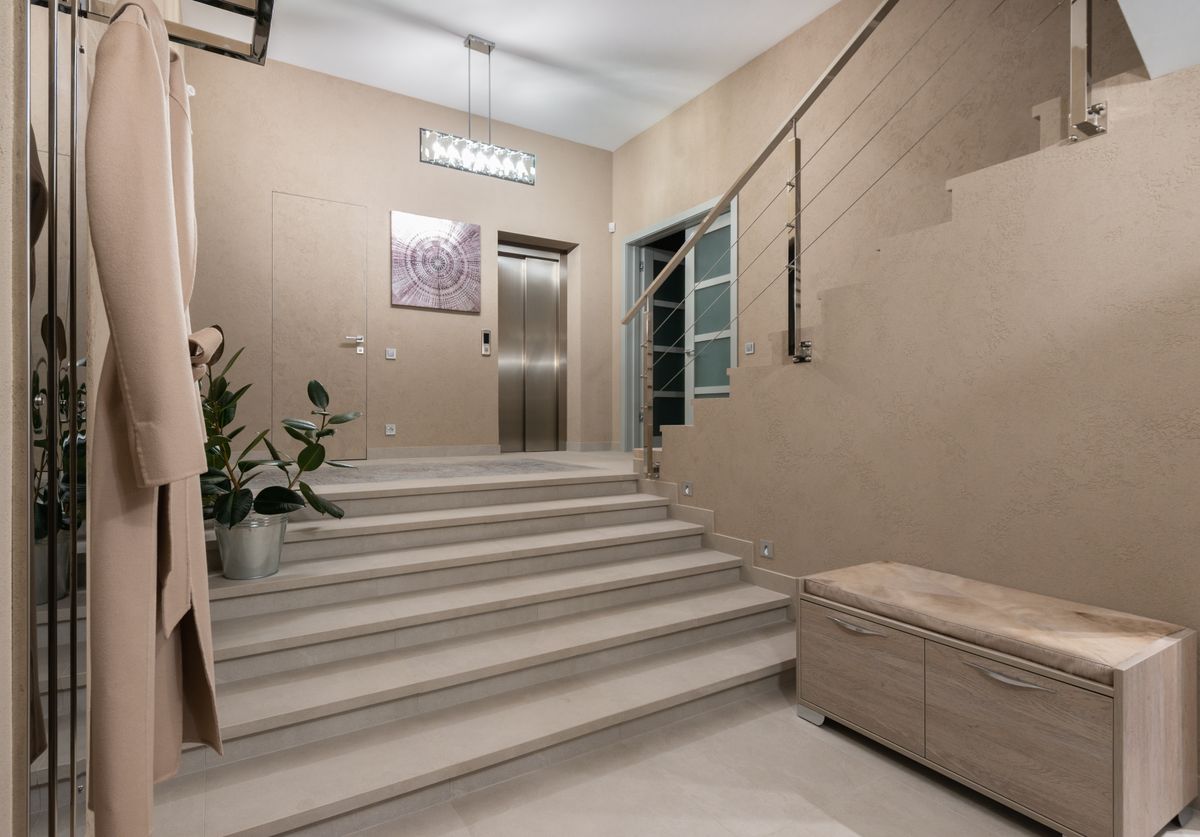
- Banisters and stair spindles: high-touch areas where a wipeable, durable finish earns its keep.
- Radiators: the formula suits metal as well as wood, so you can bring radiators into the same colour story rather than leaving them starkly white against an Egyptian Cotton wall.
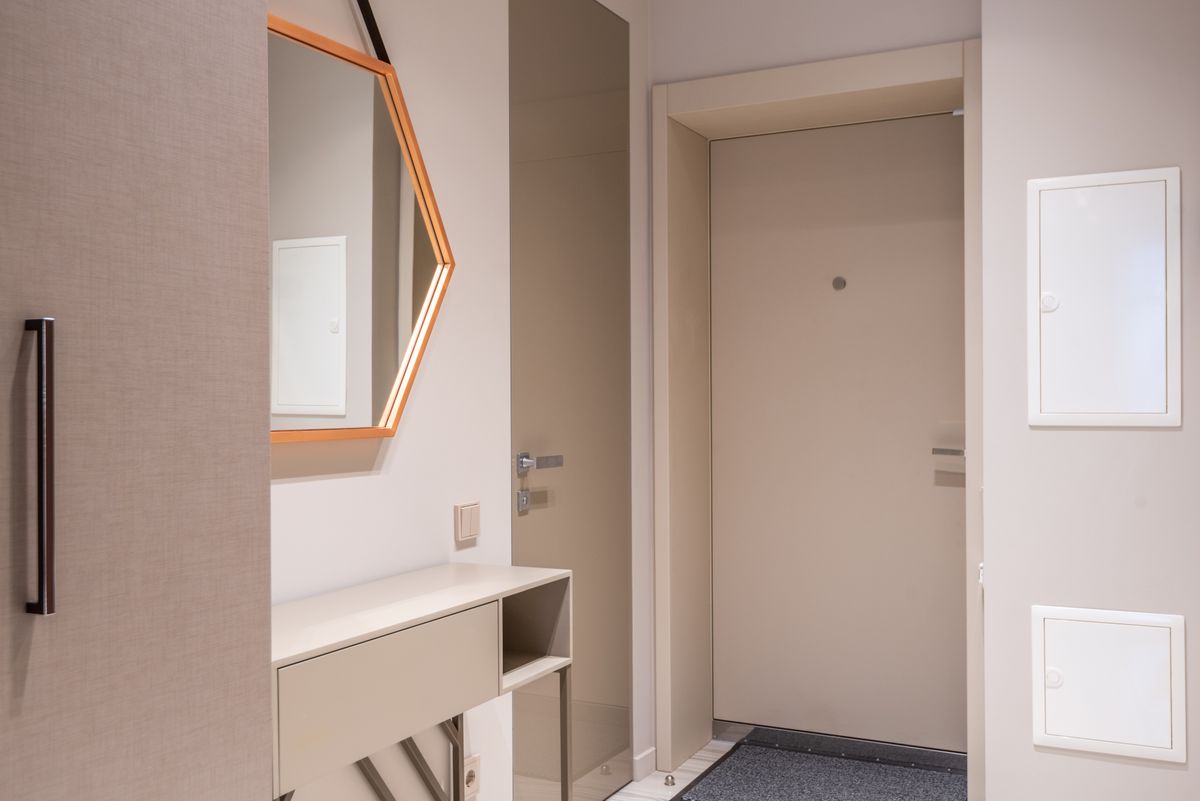
Treating all of these areas with the same product, and where you choose to the same Egyptian Cotton shade, gives a room a coordinated feel rather than a patchwork of different whites and finishes.
Do you need an undercoat?
Because Quick Dry Satinwood is self-undercoating on most surfaces, a straightforward repaint (for example, refreshing skirting boards or a door that has already been painted in a similar tone) will generally only need the topcoat itself, applied in two full coats.
An undercoat is recommended in two situations: where you're making a strong colour change (say, going from a dark trim colour to the pale, warm neutral of Egyptian Cotton), or where you're working on bare or factory-primed wood that hasn't been painted before. In both cases, an undercoat gives the topcoat a consistent, even base, blocks through any previous colour, and supports the true depth and warmth of the Egyptian Cotton shade rather than letting an old colour show through. If unsure, test a small area first: a 30ml tester pot is a useful way to check how the colour reads on your woodwork before committing to the full project.
How to apply Quick Dry Satinwood: step by step
- Prepare the surface. Clean skirting, doors, frames or radiators thoroughly, removing dust, grease and flaking material. Lightly key previously painted glossy surfaces. Fill and sand any dents or gaps, then wipe down again.
- Apply an undercoat if needed. If making a significant colour change or working on bare or factory-primed wood, apply a suitable undercoat and let it dry fully.
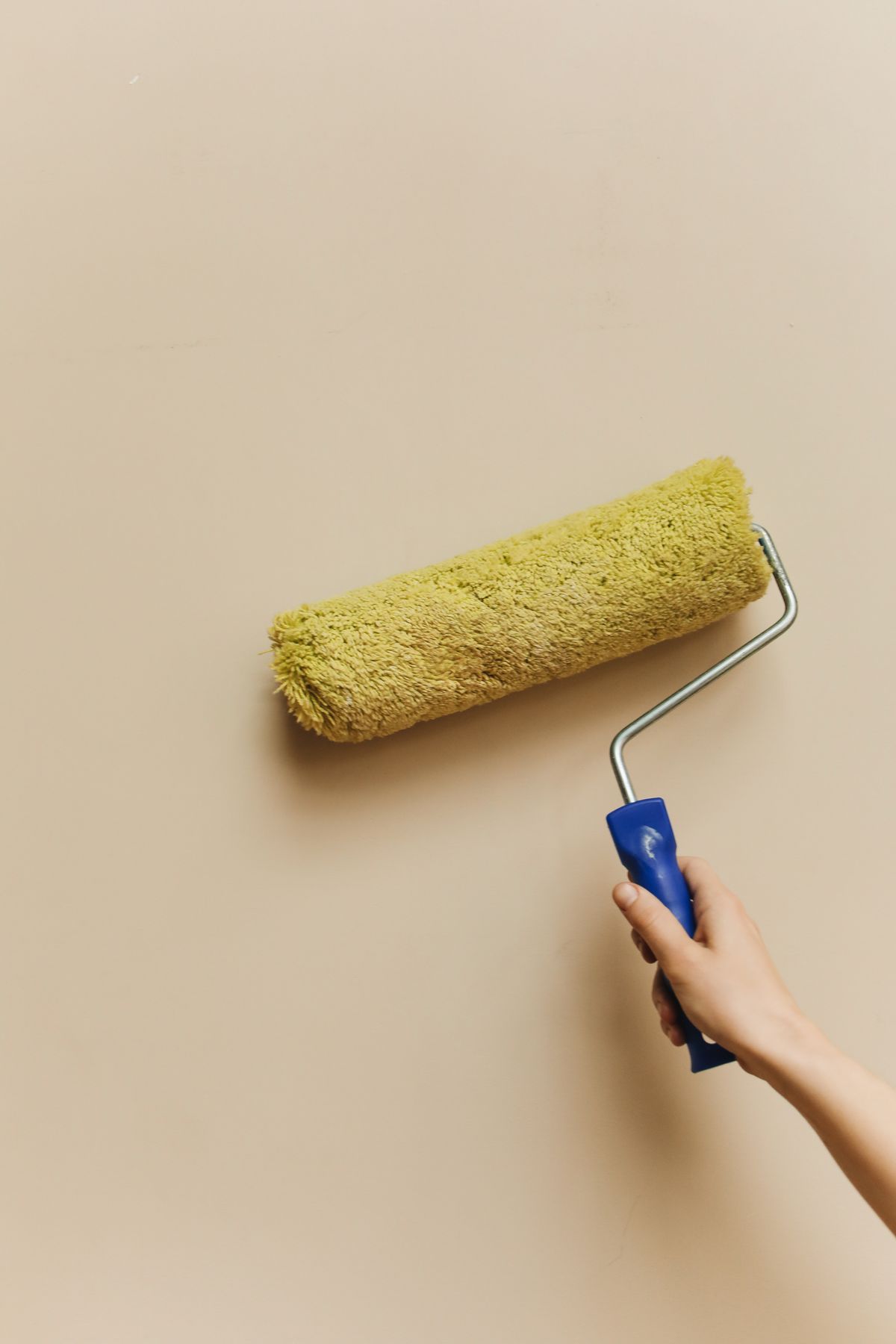
- Apply the first coat. Work Quick Dry Satinwood in Egyptian Cotton over the surface with a brush, roller or spray, aiming for an even film rather than a thick, heavy coat.
- Allow to recoat. The paint is touch-dry quickly, and you can typically apply the second coat after 4-6 hours, depending on temperature and ventilation.
- Apply the second coat. This gives you the true depth of colour and a consistent, durable satinwood sheen across all your trim.
- Leave to cure. Even once touch-dry, give the finish time to fully harden before heavy use, cleaning or knocks, so the wipeable, non-yellowing properties do their job long-term.
For a visual walkthrough of achieving the best finish with Dulux Trade's Quick Dry Trim, watch the official video below.
Should trim match or contrast with Egyptian Cotton walls?
There's no single right answer: it comes down to the look you want, and both approaches work well with a shade as versatile as Egyptian Cotton.
Painting the trim in the same Egyptian Cotton shade as the walls, using Quick Dry Satinwood in Egyptian Cotton, creates a seamless, enveloping look. Because satinwood's sheen differs from the matt or silk finishes typically used on walls, you still get a subtle change in texture and light reflection between wall and trim, even when the colour is identical, so the room doesn't read as flat. This tonal approach suits spaces where you want the woodwork to recede and the scheme to feel calm and cohesive, and it works well alongside the stone, pale wood, clay and plaster-effect finishes that complement Egyptian Cotton's warm undertone.
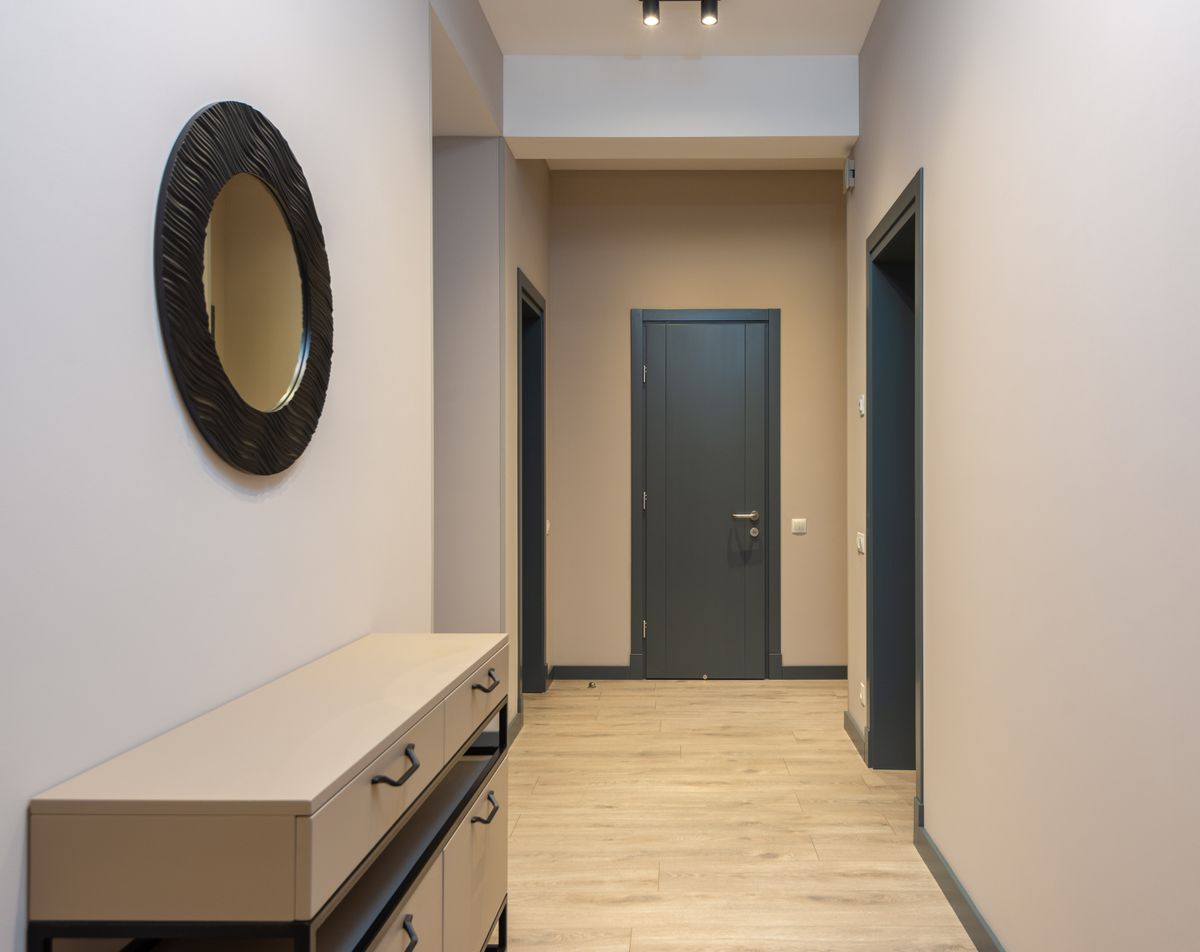
Alternatively, a crisp white or contrasting trim colour gives the woodwork more definition, drawing attention to the detail of skirting boards, door frames and banisters and creating a more traditional, layered look: a good option in rooms with period features you want to highlight, or where you'd like clearer separation between wall and woodwork.
Whichever direction you choose, test the combination on your actual walls and trim, in your own light, before committing: a tester pot is a low-cost way to check the tones sit together before buying a full 750ml tin.
Coverage: how much will you need
Dulux Quick Dry Satinwood covers up to 12m² per litre, so a 750ml tin gives roughly 9m² of coverage per coat. Since the standard approach is two full coats (plus an undercoat where needed), measure the total surface area of your skirting boards, doors, frames, banisters and radiators before you buy, so you can work out how many coats' worth of paint (and therefore how many tins) the job needs.
As a rough guide, a single door and its frame, a run of skirting around a mid-sized room, or a set of radiators will typically use a meaningful portion of a 750ml tin across two coats, so for anything beyond one or two features it's sensible to buy with a small buffer rather than run short mid-job. Porous or bare wood may also take slightly more paint on the first coat than a previously painted, sealed surface.
Bringing it all together
Getting the trim right is what turns an Egyptian Cotton wall colour into a complete, considered scheme. Dulux Quick Dry Satinwood gives you a durable, wipeable, non-yellowing finish that's self-undercoating on most surfaces and fast to recoat, making it a straightforward choice for skirting boards, doors, frames, banisters and radiators alike. Decide whether you want the woodwork to blend in or stand out, prepare your surfaces properly, use an undercoat where the colour change calls for it, and allow two full coats for the best result.

You can find Dulux Quick Dry Satinwood 750ml in Egyptian Cotton, Dulux Matt 2.5L in Egyptian Cotton for your walls, and the 30ml tester pot to try before you buy, alongside the rest of the range in our Dulux Egyptian Cotton collection.
