


Dulux Egyptian Cotton (colour code 40YY 65/061) is one of the most popular warm neutrals in the Dulux range, and it's easy to see why. This soft, creamy beige with a high 66% Light Reflectance Value brings a gentle warmth to a room without feeling heavy, which is exactly why so many of our customers choose it for hallways, living rooms and bedrooms. But even the best colour can look patchy or uneven if it isn't applied correctly. This step-by-step guide walks you through exactly how to use Dulux Egyptian Cotton paint, from testing the shade in your own room through to finishing off your skirting boards, so you get a smooth, professional-looking result first time.

What you'll need
Before you open a tin, gather your equipment so you're not stopping halfway through a wall. For a typical Egyptian Cotton painting job you'll want:
- A good quality angled brush for cutting in around edges, corners and fittings
- A medium-pile roller and roller sleeve suited to your wall texture
- A paint tray or roller bucket
- Dust sheets to protect flooring and furniture
- Masking or painter's tape for skirting boards, sockets and window frames
- A filling knife and multi-purpose filler for any holes or cracks
- Sandpaper (fine grade) for smoothing filled areas and previously painted trim
- A stirring stick, and your chosen Egyptian Cotton products from the Dulux Egyptian Cotton collection, such as Dulux Matt 2.5L for walls and Dulux Quick Dry Satinwood for woodwork
Having everything to hand before you start means you can work through each wall in one continuous session, which helps avoid visible joins between wet and dry paint. It's also worth checking that your brushes and rollers are clean and free of loose bristles or fibres before you begin, since debris shed into wet paint is one of the most common causes of an uneven finish that then needs sanding back and correcting.
Step 1: Test the colour first
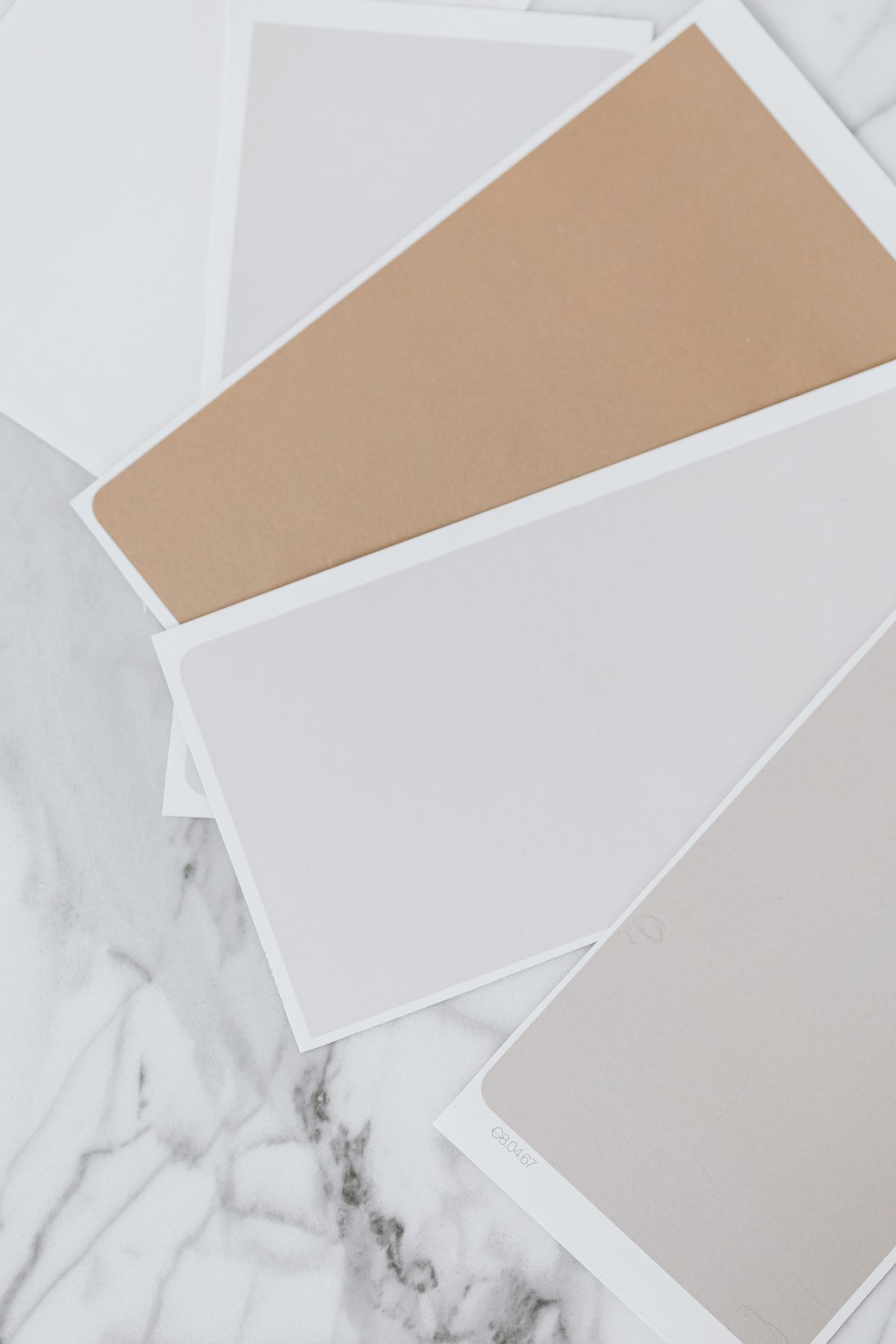
Even though Egyptian Cotton is a reliably soft, warm neutral, every room has its own mix of natural and artificial light, wall texture and existing decor, so it's always worth testing before you commit to painting an entire room. Pick up a Dulux Wall & Ceiling Tester 30ml in Egyptian Cotton and brush it onto a couple of different patches of wall, ideally including one section that gets direct daylight and one that doesn't. Let it dry fully and take a look at different times of day before making your final decision. This small step takes very little time but can save you from repainting an entire room if the shade doesn't sit quite how you expected against your furnishings.
Step 2: Prep your surface
Good preparation is what separates a professional-looking finish from a patchy one, and it's just as important as the paint itself. Start by clearing the room as much as possible and laying dust sheets over flooring and any furniture you can't move. Wipe down walls to remove dust, cobwebs and any grease, particularly in kitchens and hallways. Fill any holes, cracks or dents with a multi-purpose filler, allow it to dry fully, then sand it smooth so it's flush with the surrounding wall. Use masking tape along skirting boards, architraves, window frames and around light switches or sockets to give yourself sharp, clean lines. On previously painted, sound walls in good condition, Dulux Matt and Silk are formulated to be ready to use straight from the tin with no primer required, which makes this stage quicker. If you're painting bare plaster or a new surface, a mist coat or appropriate primer will help the paint bond and give a more even finish. Take a slow walk around the room before you start and note anything that needs attention, from hairline cracks near door frames to old picture hook holes, so you're not stopping mid-coat to deal with a problem you missed.
Step 3: Cutting in and rolling on your first coat
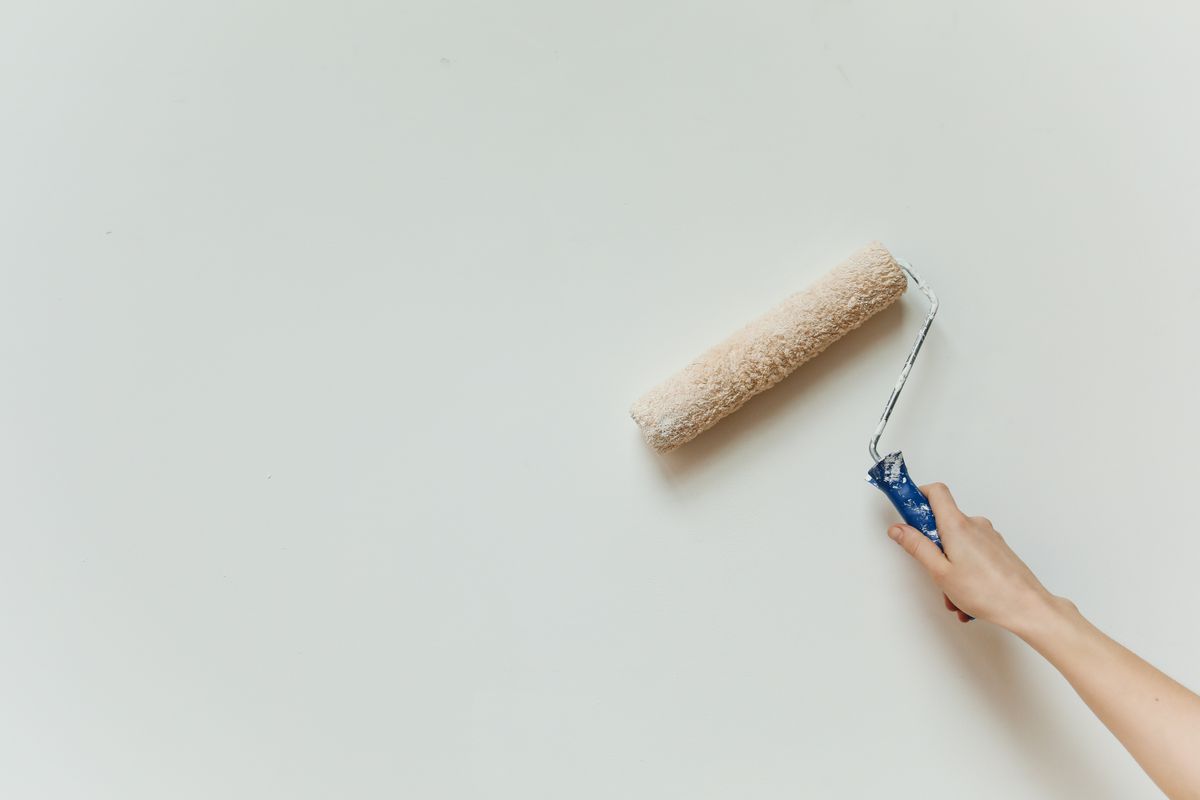
Stir your paint thoroughly before you start, even if it looks well mixed in the tin, as pigment can settle over time. Begin by "cutting in" with your angled brush around the edges of the wall, in corners, and around any fittings you couldn't remove. Work in small sections so the cut-in edge stays wet while you follow up with the roller, which helps avoid visible brush lines once the paint dries. Load your roller evenly from the tray and apply the paint using a "W" or "M" pattern across each section before filling in the gaps. This technique spreads the paint more evenly than simply rolling up and down, and it reduces the chance of heavier patches building up in one area. Work in good natural or artificial light so you can spot any thin patches as you go, and keep a window or door open for ventilation while you're painting. Once the whole wall is covered, step back and check for even coverage before moving on to the next section.
For a visual walkthrough of the cutting in and rolling technique described above, watch Dulux UK's official how to paint a wall video below.
Step 4: Drying and recoat times
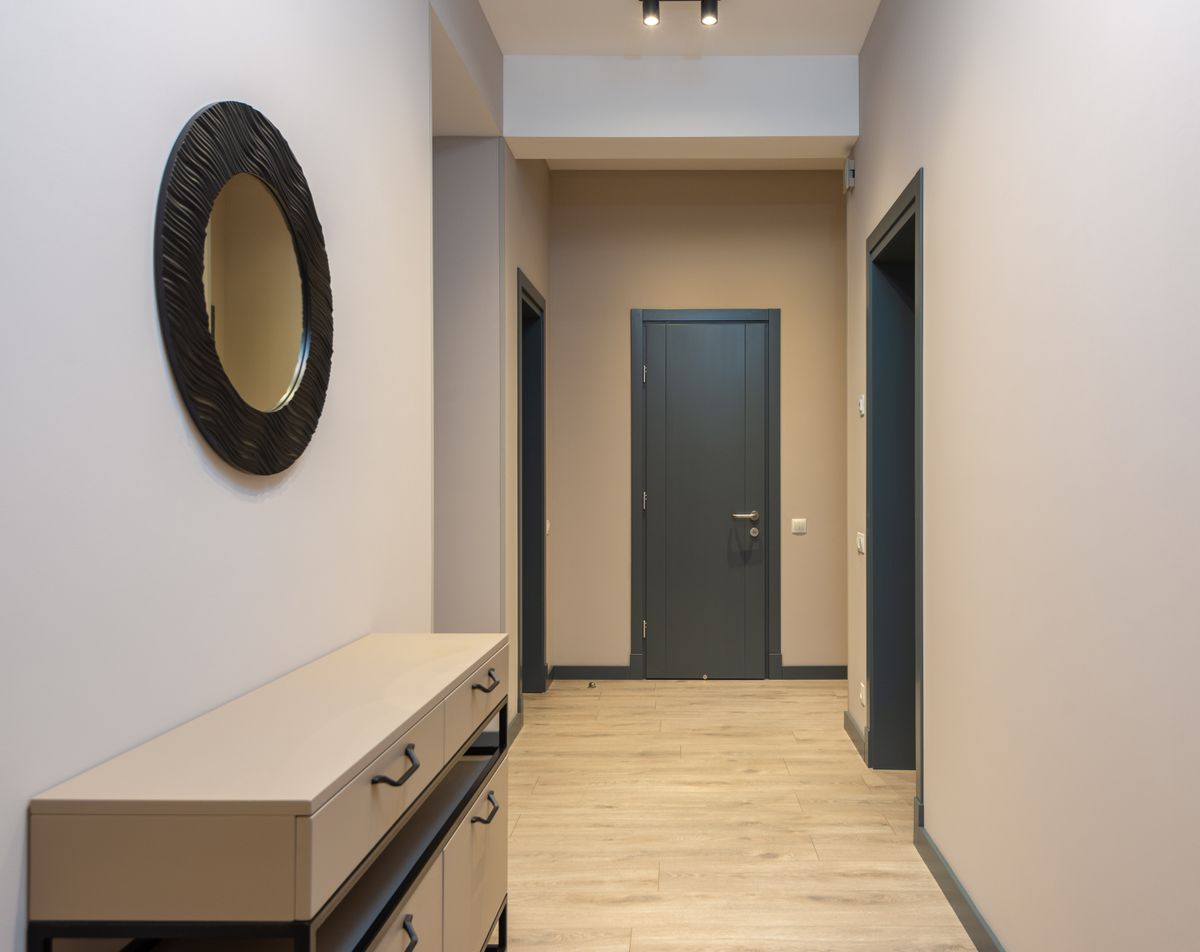
How long you need to wait between coats depends on which Egyptian Cotton finish you're using, so it's worth knowing the figures for your chosen product before you start:
- Dulux Matt and Silk: coverage of up to 14m² per litre, applied in 2 coats, with a recoat time of 2-4 hours. Both are ready to use from the tin on sound, previously painted surfaces with no primer needed.
- Dulux Easycare range (Kitchen Matt, Bathroom Soft Sheen, and Matt Washable & Tough): coverage of approximately 8-10m² per litre. On new surfaces you'll typically need 2-3 finishing coats. It's touch dry within 60 minutes at 23°C and ready to recoat after 4 hours at the same temperature, though this will take longer in cold or humid conditions, so allow extra time in winter or in a poorly ventilated room. Easycare can be applied by brush, roller or airless spray and has a low odour, which makes it a practical choice for kitchens and bathrooms.
Whichever finish you're using, resist the temptation to judge the final colour until the paint has had its full recoat time to dry, as Egyptian Cotton, like most neutrals, can look slightly different when wet compared with its true dried shade.
Step 5: Applying woodwork and trim in Satinwood
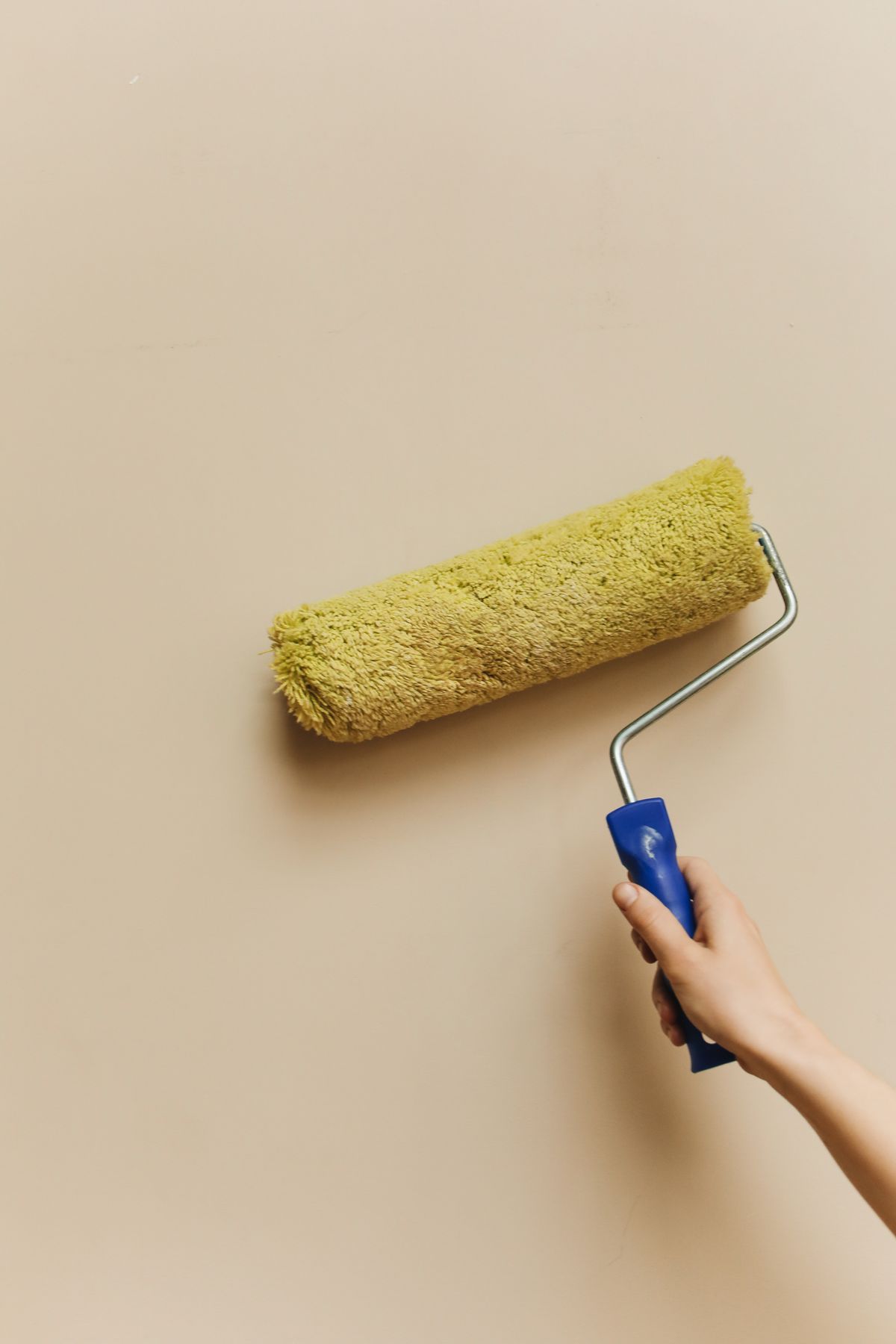
To finish the room, coordinate your skirting boards, door frames and other woodwork with Dulux Quick Dry Satinwood in Egyptian Cotton, which gives coverage of up to 12m² per litre over 2 coats and recoats in just 4-6 hours. It's self-undercoating on most previously painted surfaces, which speeds things up, but if you're working on bare or factory-primed wood, or making a strong colour change, an undercoat is recommended first to help the topcoat perform and look its best. Once dry, Satinwood gives a wipeable, non-yellowing finish that's easy to keep clean, and it can be applied by brush, roller or spray depending on the size and shape of the trim you're working on. Painting the woodwork after your walls have fully dried helps avoid smudges and keeps your tape lines crisp when you remove them.
Common mistakes to avoid
A few small errors are responsible for most disappointing paint jobs, and they're easy to avoid once you know what to look for:
- Skipping the tester: even a reliable neutral like Egyptian Cotton can look different depending on your room's light, so always test a patch first.
- Rushing the prep: unfilled holes, dust or grease on the wall will show through the finished paint, so take the time to clean and fill before you start.
- Recoating too early: applying a second coat before the first has had its full recoat time can drag the paint underneath and leave a patchy finish.
- Overloading the roller: too much paint on the roller leads to drips and an uneven texture; load it evenly and work it out in a W pattern.
- Poor lighting while working: thin patches are much harder to spot in dim light, so paint in a well-lit room and check your coverage as you go.
- Forgetting ventilation: keep windows or doors open while painting and while the paint dries, both for comfort and to help the paint cure properly.
Conclusion
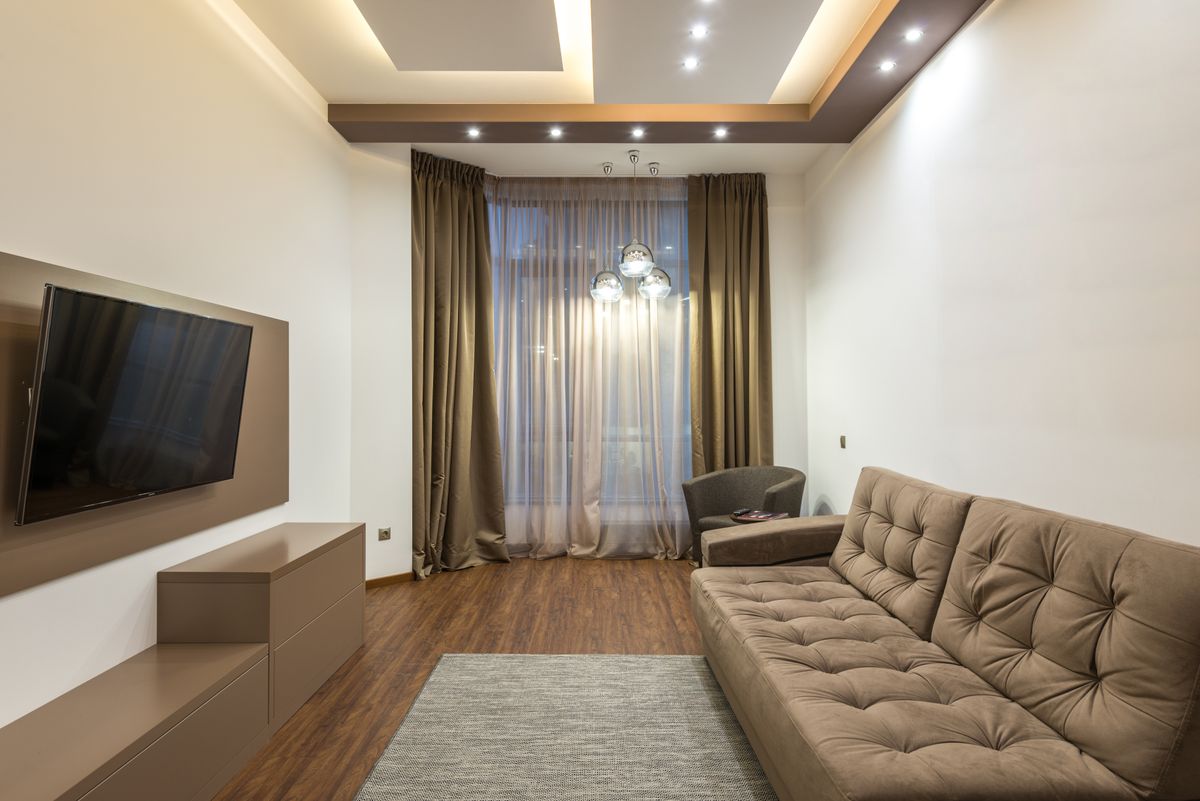
Painting a room in Dulux Egyptian Cotton doesn't need to be complicated. Test the colour first, prepare your surfaces properly, cut in and roll on evenly, respect the drying and recoat times for your chosen finish, and finish off the woodwork in a coordinating Satinwood for a polished, professional result. Whether you're refreshing a single wall or decorating an entire home, browse the full Dulux Egyptian Cotton collection at Essentials Fix to find the Matt, Silk, Easycare and Satinwood products you need, along with tester pots so you can check the shade before you buy in full size.
