


A good Purdy roller sleeve is not a single use item. With the right care after every job, a purdy roller can go on to cover several more rooms before it needs replacing, and it will keep laying down a smooth, even finish the whole time it is in use. Skipping the cleanup, or rushing it, is the single biggest reason decorators end up throwing away a purdy paint roller that still had plenty of life left in it. It only takes a few extra minutes at the end of a job to keep a sleeve ready for the next coat rather than stiff and matted in the bottom of a bucket. This guide walks through removing excess paint, cleaning a purdy roller properly after both water based and oil based paint, defluffing a brand new sleeve, and drying and storing everything so it keeps its shape between jobs.
Why Cleaning Your Roller Sleeve Matters
Paint left to dry inside the pile of a roller sleeve hardens the fibres, flattens the nap and eventually causes shedding and an uneven lay down on your next job. A purdy roller sleeve is built from dense, tightly woven fabric designed to hold and release paint evenly, and that structure only keeps working if the fibres stay flexible. Once paint cures inside the weave it cannot be washed out again, so the sleeve is effectively finished. Cleaning properly straight after painting protects that investment and keeps your finish consistent from one job to the next.
Removing Excess Paint First
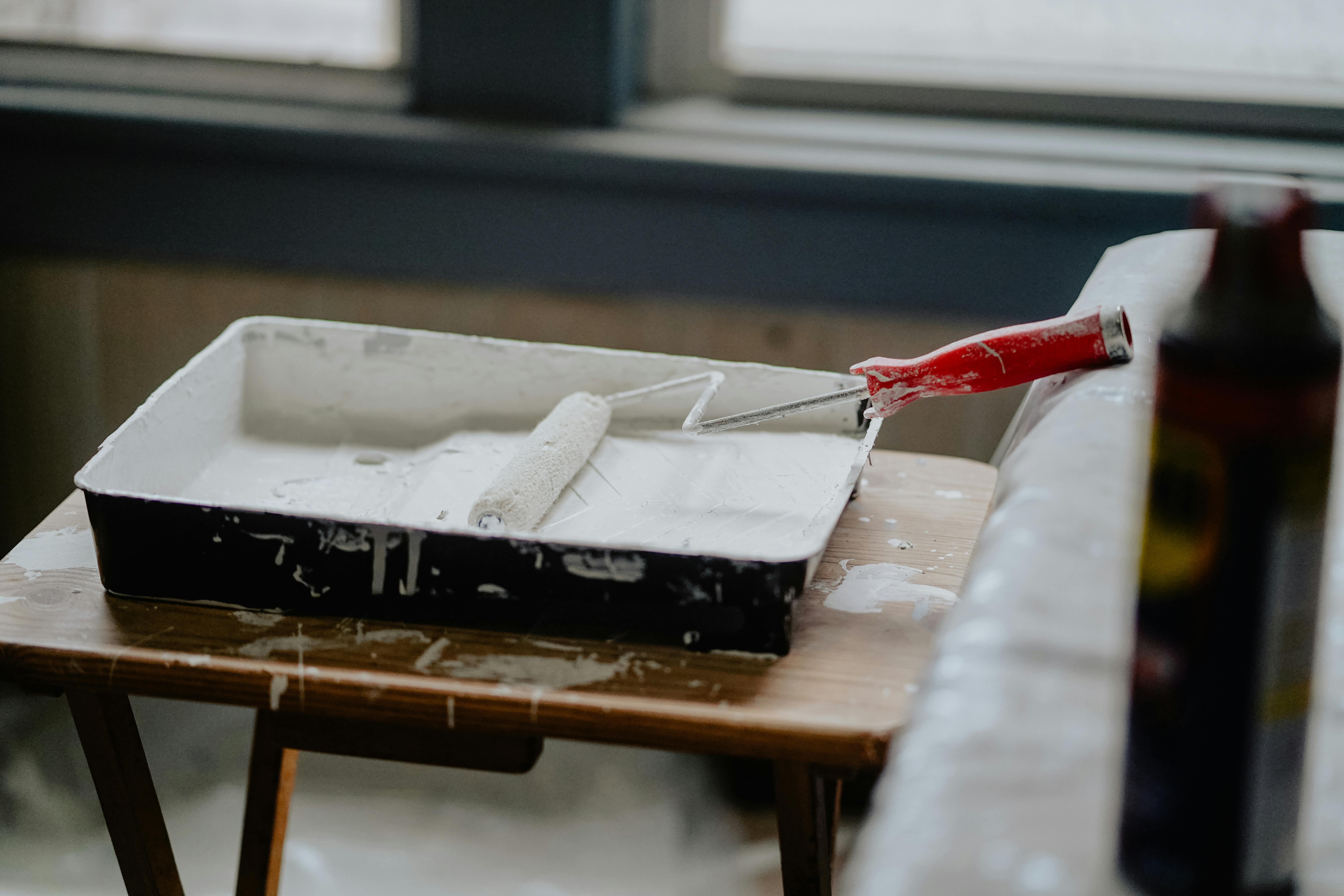
Before any water or solvent gets involved, get as much paint off the roller as you physically can. Run the loaded roller back and forth across the ridged section of your paint tray, or better still over a proper roll off grid, pressing gently so the paint squeezes back out of the pile rather than further into it. A five gallon paint bucket with a roll off insert, such as the Purdy Dual Roll Off Paint Bucket paired with the Purdy Dual Roll Off Bucket Paint Tray, gives you far more surface area to work the roller against than a standard tray, so less paint goes to waste and less needs rinsing out afterwards. The more paint you remove at this stage, the faster and easier the actual wash will be, and the less paint ends up going down the drain.
Cleaning After Emulsion or Water Based Paint
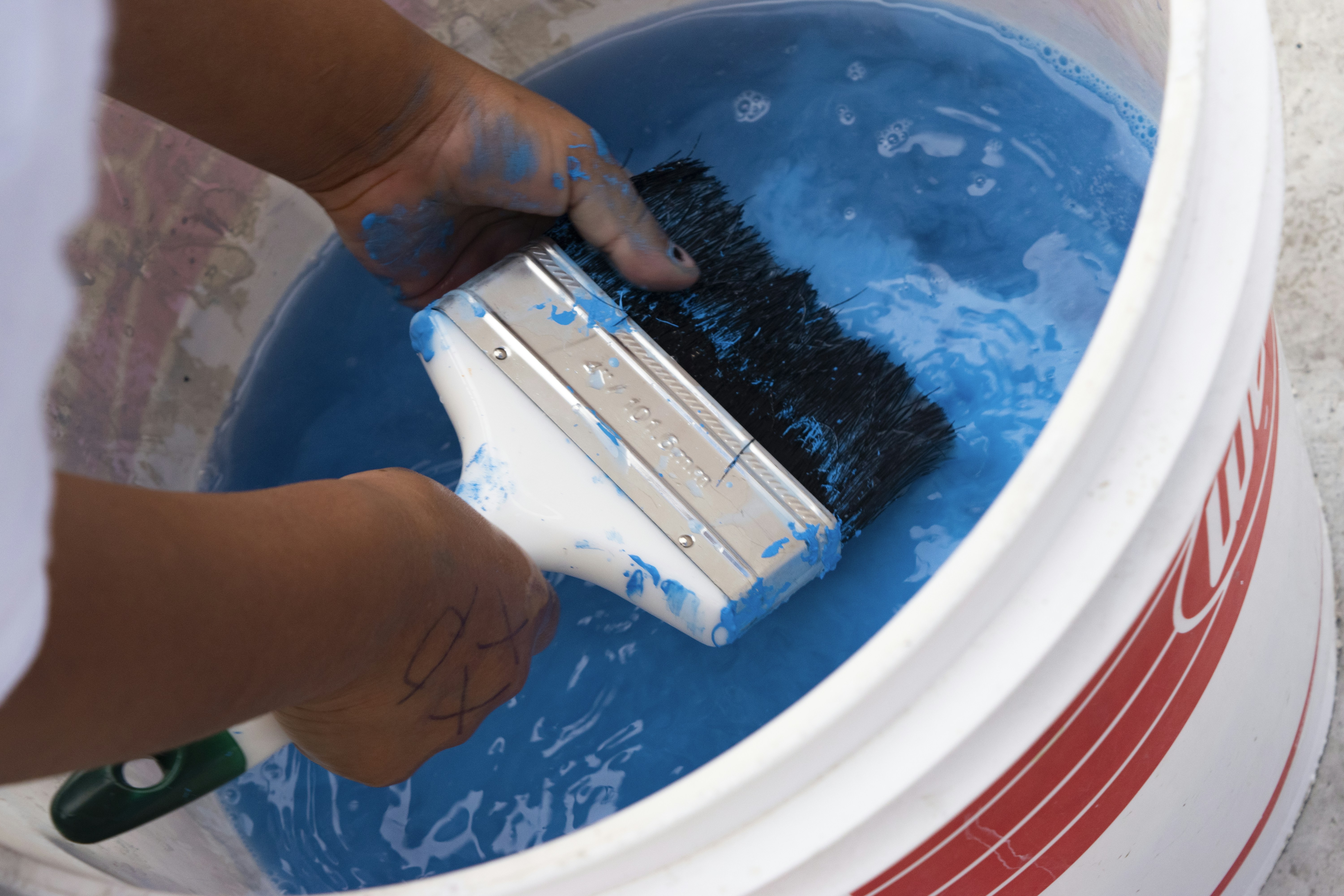
Most household paint is water based, and a purdy roller used with emulsion, water based eggshell or acrylic paint cleans up easily under a running tap. Hold the sleeve under warm water and work it firmly with your fingers, turning it as you go so water reaches right into the core. You will see coloured water running out at first, and that is completely normal. Keep rinsing and squeezing until the water runs clear, then give the sleeve a final firm squeeze to push out as much water as possible. If the paint has already started to dry a little, a squirt of washing up liquid worked into the pile before rinsing helps break it down. This is also a good moment to check the frame itself. Dried paint or grit on the cage of a Purdy Revolution Roller Frame can stop the sleeve spinning freely, so wipe it down while everything is still wet.
Cleaning After Oil Based Paint
Oil based paints, varnishes and other solvent borne coatings will not budge under water alone, so a dedicated wash is needed. Scrape off as much surplus paint as possible first, then work a proper brush and roller cleaner into the pile, such as the Purdy Brush and Roller Cleaner, which uses a stainless steel blade to lift trapped, part dried paint out of the fibres before you even reach for water, so oil based residue has far less chance to cure in place. Massage any remaining paint out from the core outwards, then rinse in warm soapy water until the water runs clear and no odour of solvent remains. Always do this in a well ventilated space, and never pour solvent based cleaner down an ordinary drain. Once the sleeve is clean it can be rinsed again in plain water to remove the last traces of cleaner before it goes off to dry.
Defluffing a New Roller Sleeve
Brand new roller sleeves, particularly woven ones like a purdy roller, often shed a few loose fibres on the first couple of loads. This is completely normal for woven fabric and it settles down quickly, but there is a simple way to speed it up. Before loading the sleeve with paint for the first time, wrap a length of masking tape or a lint roller firmly around the pile and peel it away, repeating a few times to lift any loose threads sitting on the surface. Some decorators also give a new sleeve a quick once over with a damp cloth, or run it dry against a clean offcut of wall board, to knock off stray fibres before the first coat goes on. A quality sleeve such as the Purdy White Dove Roller Sleeve sheds far less than budget alternatives to begin with, but a minute of defluffing before use still makes the first coat noticeably smoother.

Drying and Storing Your Roller
Once a sleeve is clean, shape matters as much as cleanliness. Stand it on its end on some old newspaper or kitchen roll, away from direct heat, and let it air dry naturally rather than wringing it hard or leaving it flat, which can crush the pile out of shape. A sleeve left lying on its side while still damp will often dry with a flat spot that shows up as a stripe in your next coat. Once fully dry, store it somewhere clean and dust free, ideally back in its original wrapper or a sandwich bag, so it is ready to go straight onto the frame next time rather than picking up dust that then transfers onto your wall. A wider sleeve, like the Purdy White Dove Roller Sleeve, 12 Inch, benefits especially from being stood upright, since its extra width makes it more prone to flattening if left lying down.
When to Replace a Roller Sleeve
Even with careful cleaning, no roller sleeve lasts forever. It is time to retire a sleeve once the pile feels matted or thin in patches, once it keeps shedding fibres no matter how well it is washed, or once it no longer springs back after being squeezed. A sleeve that has gone hard in one section, usually from paint that dried in before it was washed, will leave visible tram lines on the wall and is not worth persisting with. As a rough guide, a well cared for purdy roller sleeve used regularly for household decorating can manage several full rooms before it needs swapping, while one used daily on a trade job may need replacing every week or two.

Frequently Asked Questions
How do you clean a Purdy paint roller?
Remove as much excess paint as possible by rolling it out against a tray or roll off grid, then wash it under warm running water for emulsion and water based paint, working the pile with your fingers until the water runs clear. For oil based paint, work a dedicated brush and roller cleaner into the pile first, then rinse in warm soapy water. Squeeze out the excess water and stand the sleeve on its end to dry.
How do you defluff a Purdy roller?
Wrap masking tape or a lint roller around the dry sleeve before its first use and peel it away a few times to lift loose surface fibres, or wipe the sleeve over with a damp cloth. This settles a new roller quickly and reduces the loose fibres that might otherwise end up in your first coat of paint.
Can you leave a roller sleeve wrapped up between coats instead of washing it?
Yes, if you are painting again within a day or so, wrap the loaded sleeve tightly in cling film or a plastic bag, push out the air, and keep it somewhere cool. This keeps the paint workable for a day or two without it skinning over, but it is only a short term fix. The sleeve still needs a proper wash once the job is finished, since paint left wrapped for longer will dry out at the edges regardless.
How often should you clean a paint roller during a job?
If you are working with the same colour and paint type across a full day, there is no need to wash between coats, just keep the roller wrapped or sitting in the roll off tray so it does not dry out. Wash it properly whenever you finish for the day, switch paint, or move from water based to oil based, since traces of one can affect how the next goes on.
