


A good Purdy paint brush is not a disposable tool. It is built with dense, tapered filaments and a hardwood or resin handle designed to hold its shape through years of regular use, and the way you treat it after each job has more influence on its lifespan than almost anything else. Paint that is left to dry in the heel of a brush stiffens the filaments, pulls the ferrule loose over time, and leaves you fighting streaky, uneven coverage on your next job. A properly cleaned Purdy brush, on the other hand, keeps its shape, holds more paint, and cuts a cleaner line coat after coat.
Why Cleaning Your Purdy Brush Matters
Professional decorators know this instinctively, which is why they rarely walk away from a job without rinsing or soaking their brushes first. If you have invested in a quality Purdy brush, whether that is a compact cutting in brush or a wide wall brush like the Purdy Monarch Elite XL, spending five minutes cleaning it properly after every use will repay you many times over in performance and in money saved on replacements.

There is also a value side to this that is easy to overlook. A dense, well made Purdy brush is designed to be cleaned and reused across many jobs rather than thrown away after one, and neglecting that cleaning step effectively turns a long life brush into a disposable one. A few minutes at the sink after every job keeps it performing like new for years.
What You Will Need Before You Start
You do not need a large kit to clean a brush properly. A bucket or a dedicated paint pail, warm water or the correct solvent for the paint you have used, a stiff comb or brush spinner, and a clean cloth will cover most jobs. Many decorators keep a Purdy Paint Pail on hand for exactly this purpose, since its shape and brush magnet make rinsing and resting a brush far easier than working over a standard bucket. A purpose made cleaner also helps enormously. The Purdy Brush and Roller Cleaner is designed to lift both water based and oil based residue out of dense filament bundles without damaging the tips, and its built in stainless steel blade doubles as a way to scrape off excess paint before you even start rinsing.

Cleaning After Water Based Paint
Emulsion, acrylic, and most modern water based paints are the easiest to remove, provided you do not let them dry first. Start by scraping or wiping as much wet paint as possible from the brush against the rim of the tin, then rinse the filaments under warm running water, working the bristles gently between your fingers to push water through from the ferrule down to the tip. You want the water flowing in the same direction the filaments naturally sit, not against the grain, since bending them backwards is what causes splaying over time.

Once the water runs mostly clear, work a small amount of mild soap or a dedicated brush cleaner such as the Purdy Brush and Roller Cleaner into the bristles and massage it right up into the heel, which is where pigment tends to hide. Rinse again until the water runs completely clear with no colour at all. If you are cleaning a wide brush like the Purdy Monarch XL Elite, pay particular attention to the base of the filaments near the ferrule, since a wide brush holds more paint and takes a little longer to flush out fully. Finish by combing the bristles straight with your fingers or a brush comb and shaking out the excess water outdoors or over a sink.
Cleaning After Oil Based or Solvent Based Paint
Oil based paints, varnishes, and solvent based products need a different approach because water alone will not touch them. Begin by wiping off as much paint as you can, then work the brush into a small amount of white spirit or the manufacturer's recommended thinner in a jar or the base of a paint pail, pressing the bristles against the sides to release trapped paint. Change the solvent once it becomes cloudy or heavily coloured, since reusing dirty solvent just redeposits paint back into the brush.
After the bulk of the paint has been dissolved out, follow with a proper cleaner. The Purdy Brush and Roller Cleaner is formulated to cut through oil based residue as well as water based paint, so it is worth keeping a bottle in your kit even if you mostly use emulsion, since it means you are never caught out on the occasional oil based skirting board or door job. Work the cleaner through the bristles thoroughly, then rinse with warm water until every trace of solvent smell and colour has gone. Always dispose of used solvent responsibly rather than pouring it down a household drain.
Drying and Storing Your Brush Between Coats
If you are simply pausing between coats on the same day, there is no need to fully clean the brush. Wrap it tightly in cling film or foil to keep air off the bristles, or rest it bristle down in a small amount of water or solvent inside a Purdy Paint Pail, using the built in brush magnet to keep it suspended clear of the base so the tips do not curl. This stops the paint from skinning over without wasting time on a full wash you will only need to repeat later that day.
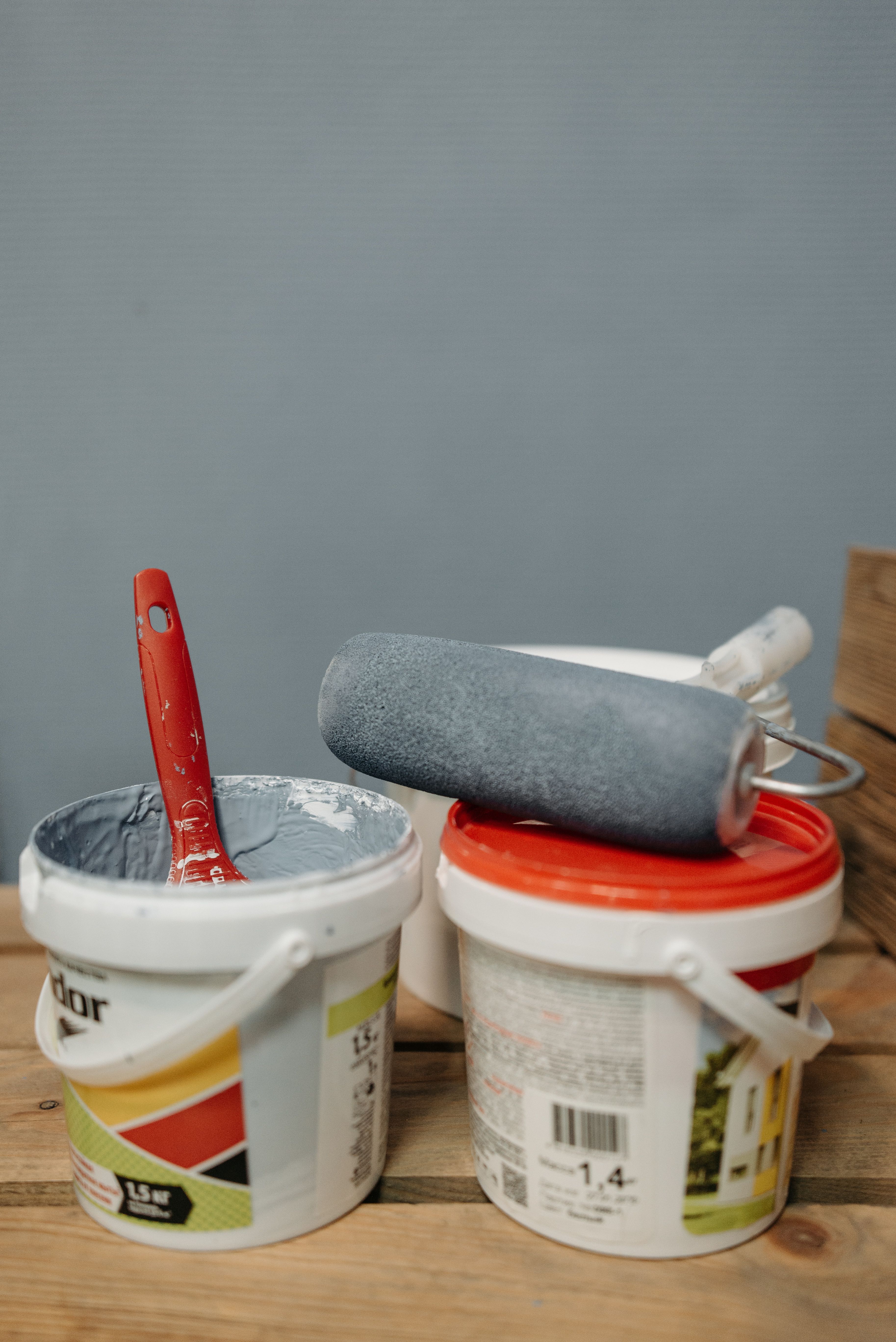
For longer term storage, drying technique matters just as much as cleaning technique. Reshape the wet bristles into their original tapered point with your fingers immediately after the final rinse, then lay the brush flat or hang it bristle down so water drains away from the ferrule rather than pooling inside it. Never stand a wet brush upright on its bristles, since the weight of the water will bend and distort the tips permanently. Once dry, store the brush flat in its original sleeve or wrapped in paper, away from direct sunlight and heat, which can dry out the filaments and make them brittle over time.
Fixing Bent or Splayed Bristles
Even with careful cleaning, bristles can end up bent, splayed, or curled outward, usually from being left to dry in the wrong position or stored upright in a pot. The good news is that this is often fixable rather than a reason to throw the brush away. Start by soaking the bristles in warm water for several minutes to soften them, then use a fine tooth comb or your fingers to work through the filaments from the ferrule to the tip, gently coaxing splayed bristles back toward the centre.
For more stubborn splaying, wrap the damp bristles snugly in greaseproof paper or a strip of stiff card, securing it with an elastic band so the filaments are held in their original tapered shape, then leave the brush to dry fully in that wrap, ideally overnight. This trains the bristles back into alignment as they dry. Once unwrapped, a quick pass with a comb should leave the brush looking close to new. Brushes with genuine, densely packed filaments such as those used in the Purdy Monarch Elite XL respond particularly well to this treatment because the bristles retain memory of their original shape far better than cheaper, sparser brushes.
Frequently Asked Questions
How do you clean Purdy paint brushes?
Scrape off excess paint, then rinse or soak in the appropriate liquid for the paint type, water for emulsion and solvent for oil based products. Work a proper brush cleaner into the heel of the bristles, rinse until the water runs clear, comb the filaments straight, and dry the brush flat or bristle down.
How do you clean a Purdy paint brush after use?
The method depends on the paint. Water based paint rinses out under warm running water with a little soap or cleaner worked into the base of the bristles. Oil based and solvent based paint needs a soak in white spirit or a solvent cleaner first to break down the paint before a final rinse with warm water and cleaner.
How do you straighten Purdy paint brush bristles?
Soak the bristles in warm water to soften them, comb them back into shape from the ferrule to the tip, then wrap them snugly in paper or card while they dry so they hold their original tapered form. This works well on quality brushes and will usually restore a brush that has splayed from being dried in the wrong position.
A little routine care goes a long way. Clean your Purdy brush properly after every job, store it flat or bristle down, and keep dedicated cleaner within reach for days when you switch between water based and oil based paint, and there is no reason a good brush should not see you through job after job for years to come.
